Through a series of events, tamariki in Te Whanganui a Tara (Wellington) have made discoveries about their local waterways, the creatures (fish, tuna, kōura and macroinvertebrates) that call them home, and have been taking hands-on action to assist with migration – often through a network of pipes.
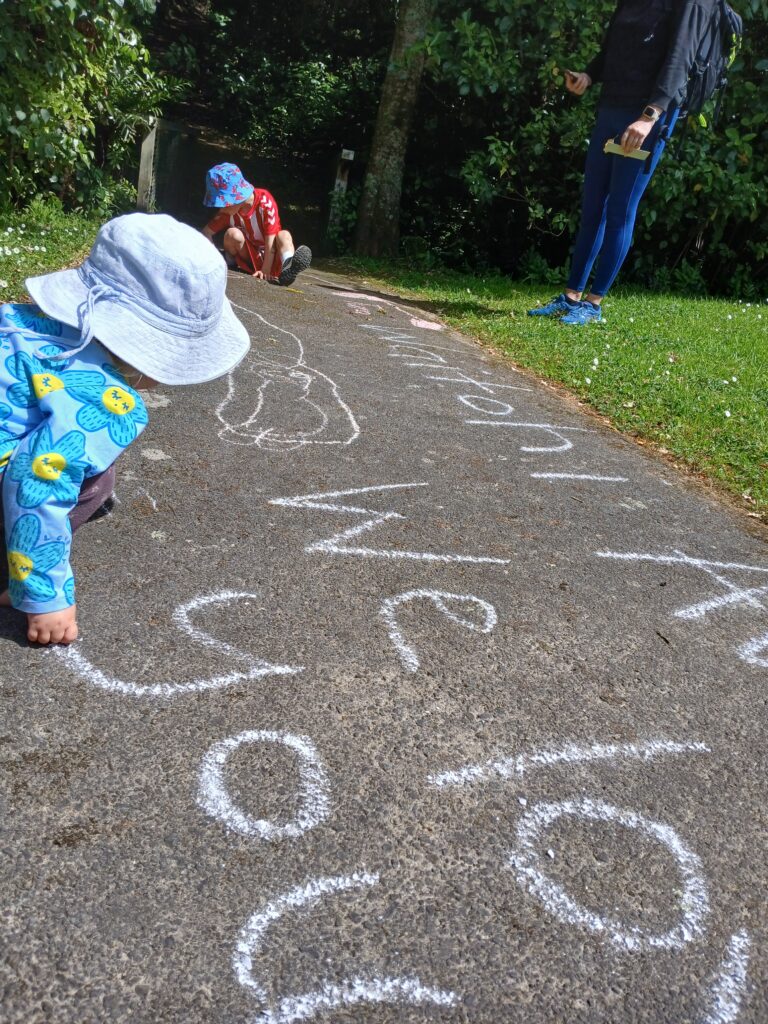
ECE tamariki drawing messages of love for their local awa
Building deeper connections with te taiao was a focus for Te Whanganui a Tara facilitators in 2025. Through special events and follow up offerings, ākonga from schools and ECE centres across Wellington were supported to explore and connect with their local awa and ngahere spaces. The previous annual Ōtari events (Enviroschools | Ōtari Wilton’s Bush Student Event) were the inspiration for this as tamariki and kaiako feedback showed there was a real desire for learning through nature connection. The initial events were held in Term 2 2025 (Enviroschools | Whaitua nature connection events for local schools and ECE) and these were the starting point for deeper connection, understanding and taking action.
Most of the nature connection events involved facilitation of an experiential tuna migration activity. We mihi to Zealandia Te Māra a Tāne | Wildlife Sanctuary in Wellington for sharing this activity with Enviroschools. This tuna migration experience enables tamariki to go in, under and over a series of obstacles that represent what tuna kūwharuwharu (longfin eel) go through in their life from Te Moana-nui-ā-Kiwa (the Pacific Ocean), to their home awa, upstream. Ākonga wriggle under a ‘fishing net’, ‘climb’ up an ikawai taura (fish ladder) to brave the culvert (tunnel) before going across the wetland (jumping in a coffee sack), resting and eating kai (tennis balls) to continue their migration back to te moana (blindfolded and listening out for ‘ocean’ sounds).
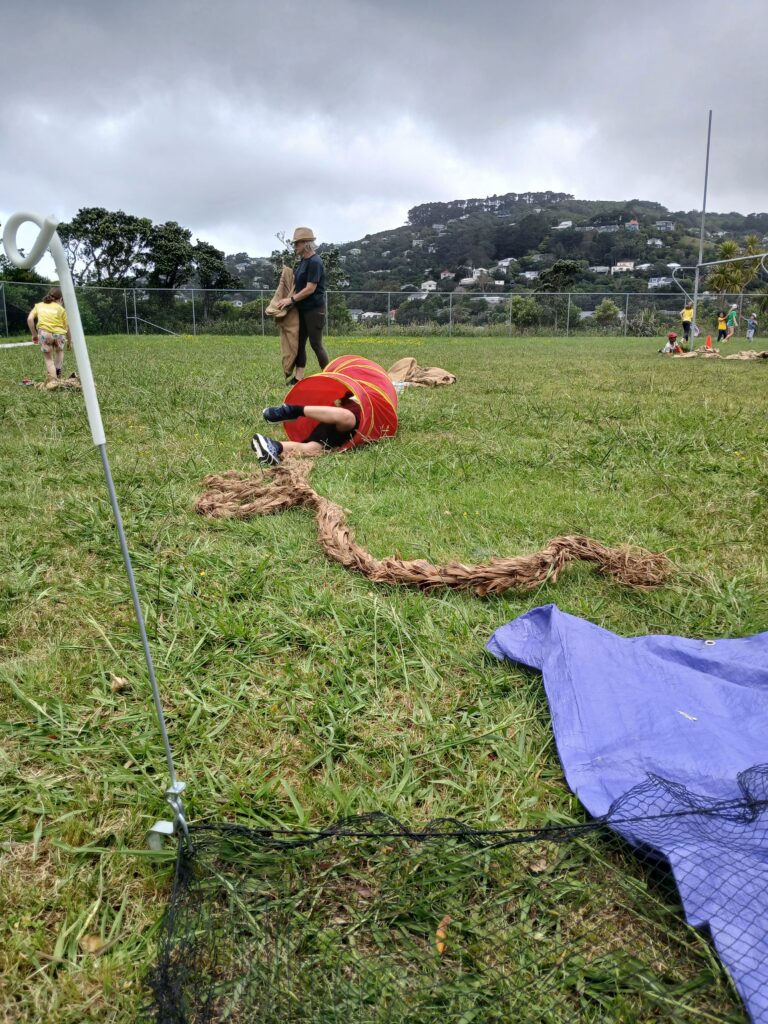
Tuna migration activity in action
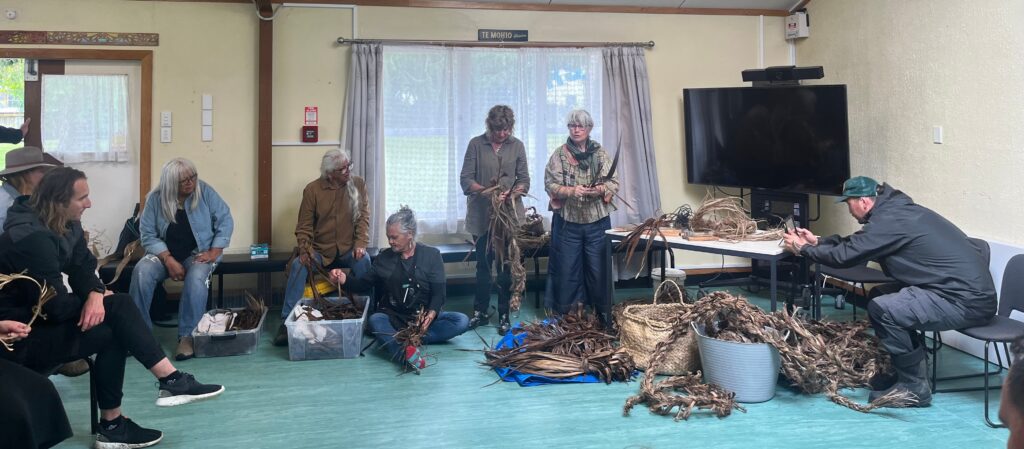
In Te Whanganui a Tara, much of our urban stream network is piped and culverted. This creates huge barriers to our native tuna and ika (fish) who are trying to move upstream. The installation of synthetic fish ladders and ropes was an initial solution to improving access for our climbing fish species. However, these are made from plastic and can break apart in stream with high flow and power. When we ask tamariki “Is it a good idea to put plastic in our awa?” their answer is a resounding “No!”. Local Iwi Te Ātiawa ki Whakarongotai had this same whakaaro when looking at helping native fish in their rōhe. Their weavers began trialling natural fibre solutions which could be used in place of their plastic mussel spat rope counterparts. These have been called ikawai taura, fish ropes which are woven and plaited together from tī kouka rau (leaves). They have been trialling these to improve the taura strength, roughness, and ability to support our ika to make it into areas they have been excluded from above culverts and weirs. From over two years of trialling, they have held several wānanga to share this kaupapa both as a way to improve urban fish biodiversity but also to connect with local awa and provide habitat for its many small inhabitants.
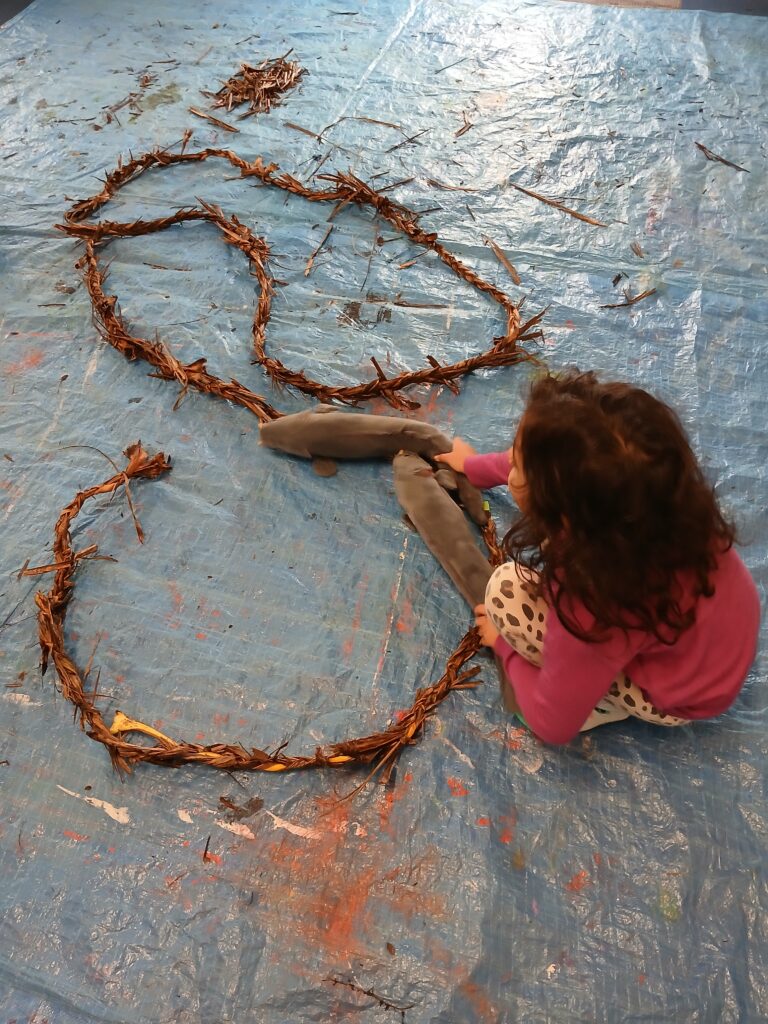
Weaving ikawai taura
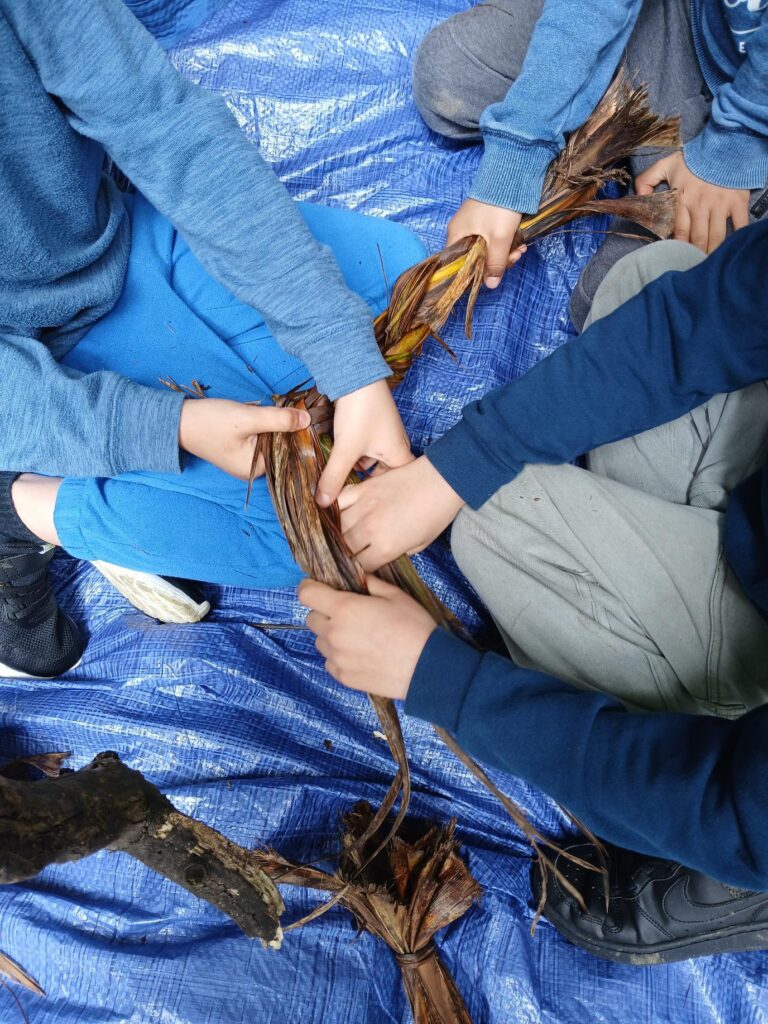
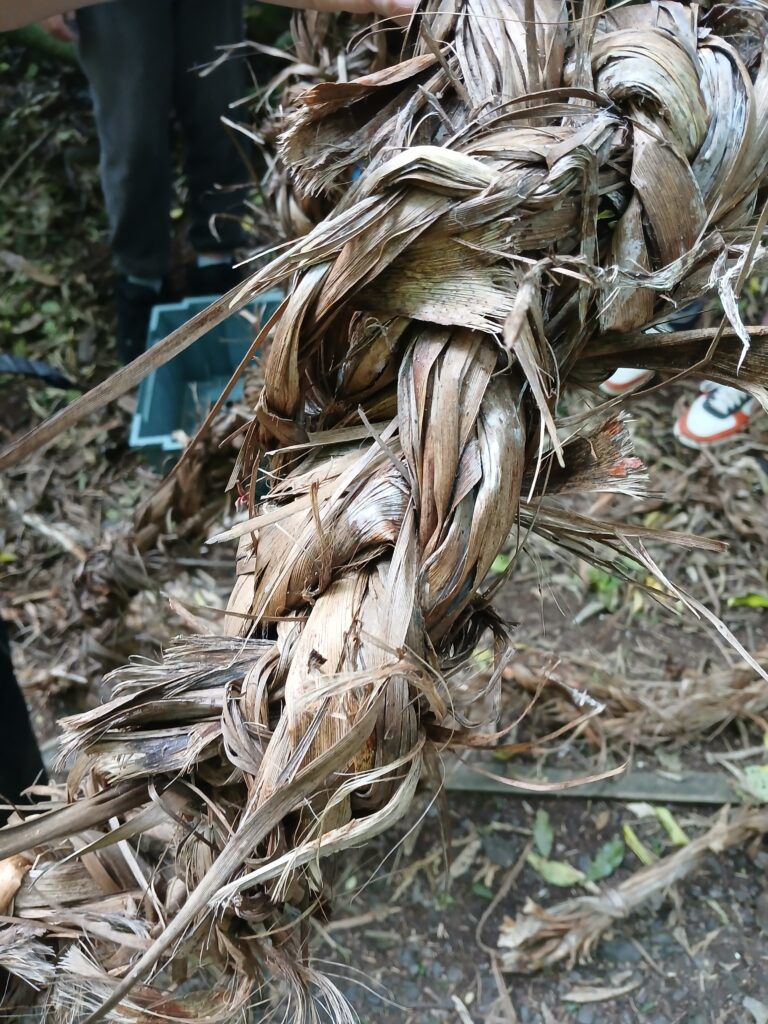
Enviroschools were lucky enough to attend these wānanga and saw this as a wonderful hands-on offering for schools and ECE centres to take action and care for their local awa.
Throughout terms 3 and 4 of 2025 schools and ECE centres collected tī kouka rau from around their grounds and local communities. These were then used in group weaving sessions held both at local awa sites and in the classroom. Tuakana and teina worked together creating a series of plaited ropes, each one unique and made with aroha and care for their special awa. Of the seven taura that have been made, 5 have been installed and there are plans for more as this kaupapa has been shared with community groups who are keen to see them in their local awa too. We mihi to Te Ātiawa ki Whakarongotai for sharing this kaupapa with us. The Greater Wellington Regional Council Fish passage team have been huge supporters of this mahi, sharing their knowledge and passion with tamariki, whānau and kaiako as well as their expertise in the installation of each taura into individual awa.
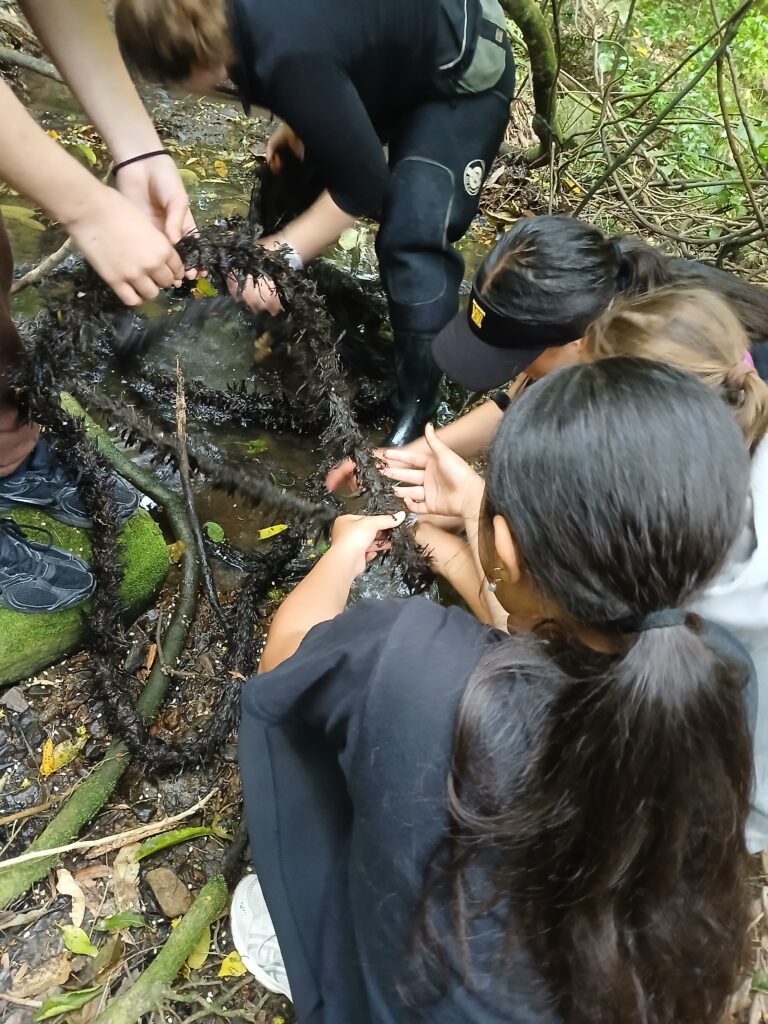
Ākonga removing and cleaning spat rope from their local awa before replacing it with their woven taura
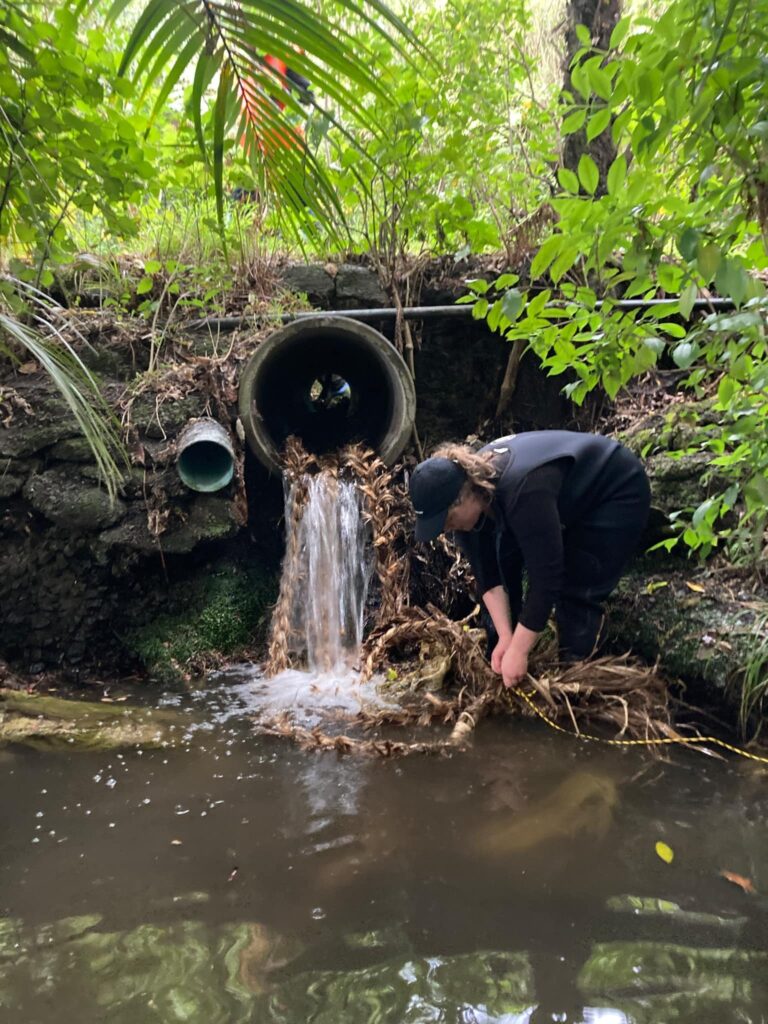
Fish passage team installing ikawai taura in a culvert to help climbing fish species
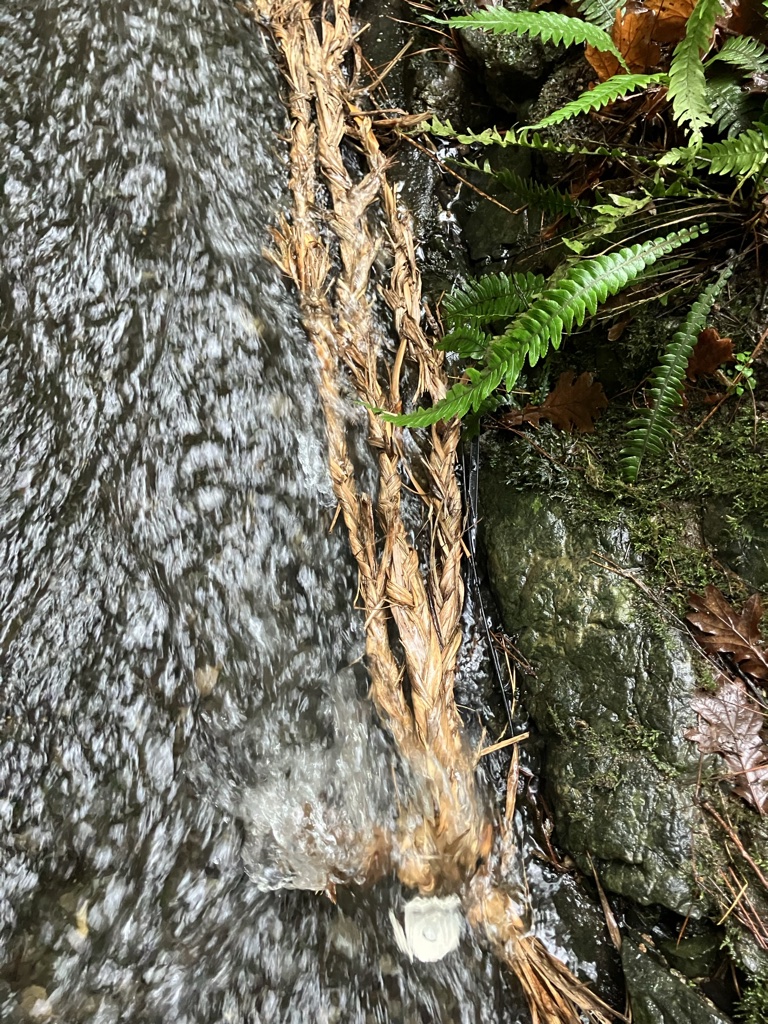
Taura woven by ECE tamariki installed in local awa
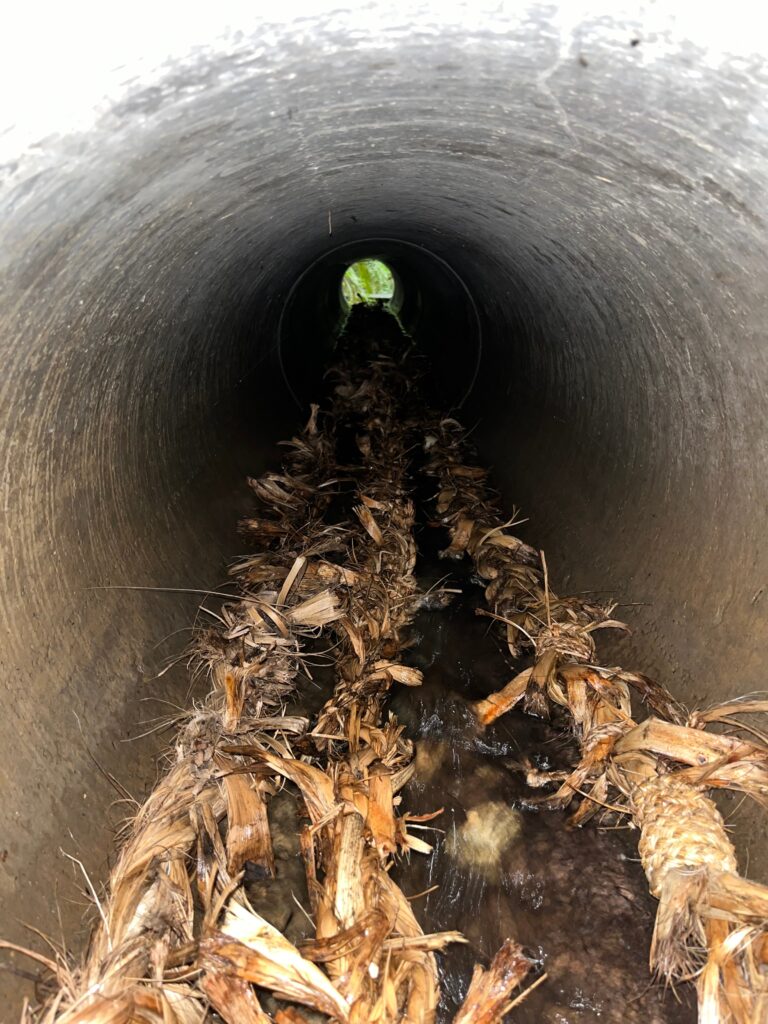
Ikawai taura installed in a culvert
We would love to see more taura in our urban streams, supporting fish and tuna migration upstream as well as providing habitat for macroinvertebrates and kōura. Tamariki are excited about making a real contribution and having a positive impact on their local awa, as well as returning to these spaces to share their mahi with whānau and friends.
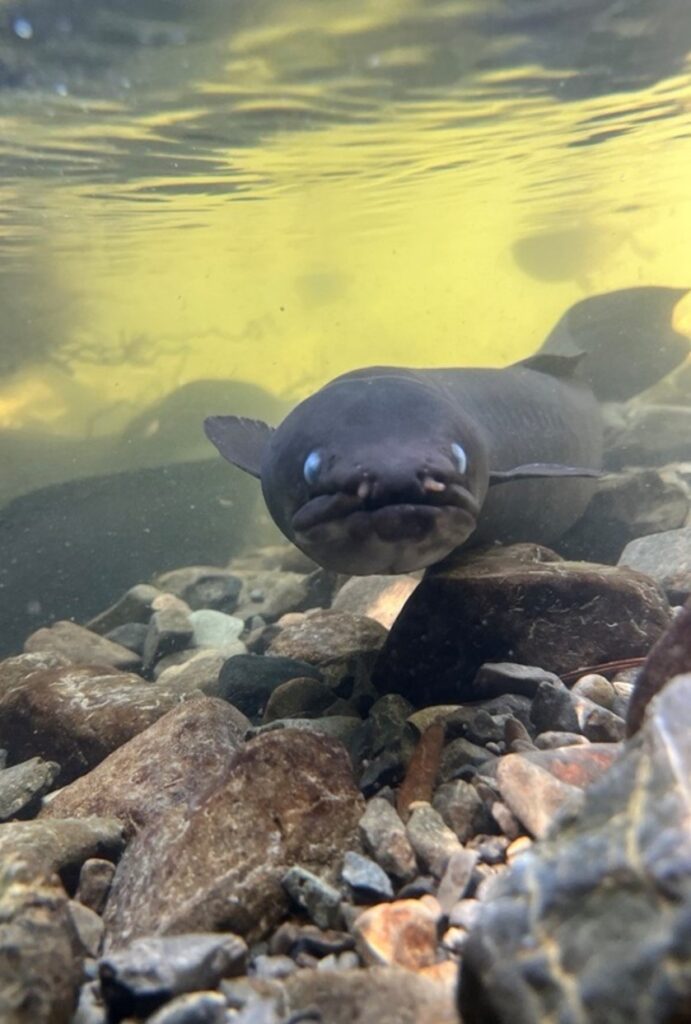
Tuna kūwharuwharu – photo credit Amy Gault
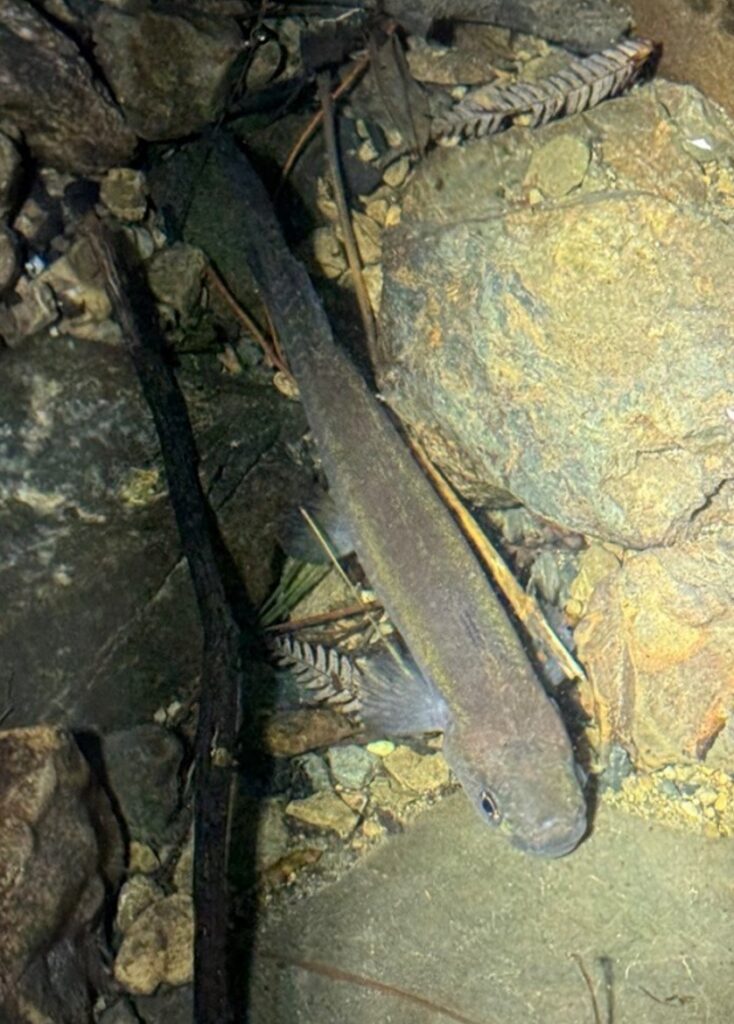
Banded kōkopu – photo credit Amy Gault
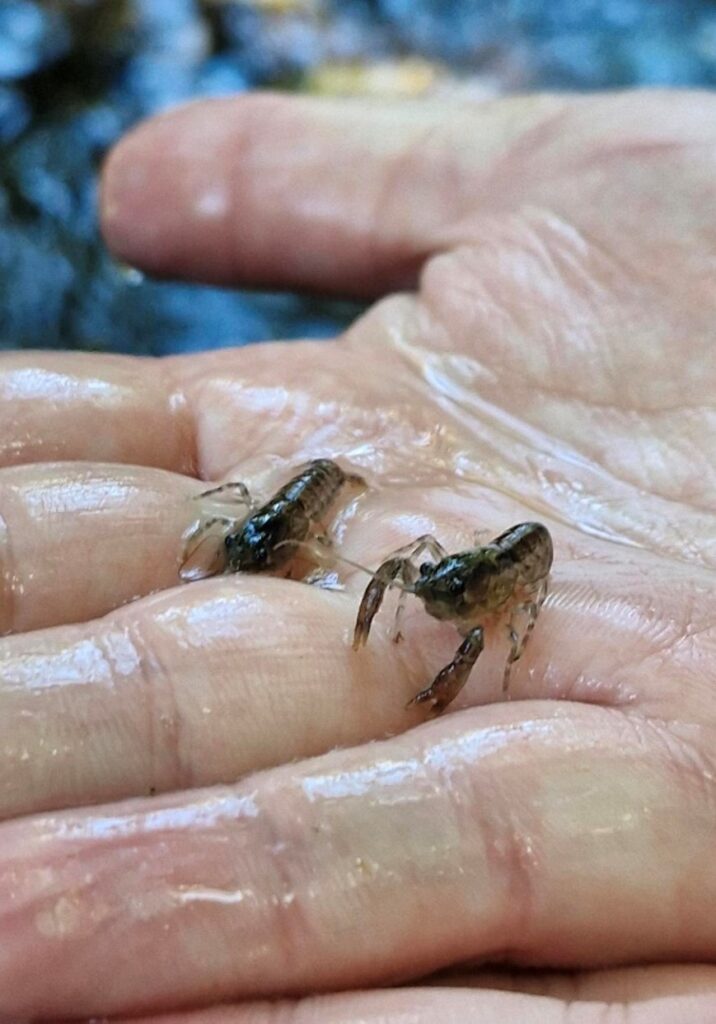
Baby kōura – photo credit Amy Gault
Banner photo: Te Ātiawa ki Whakarongotai weavers
 Print
Print