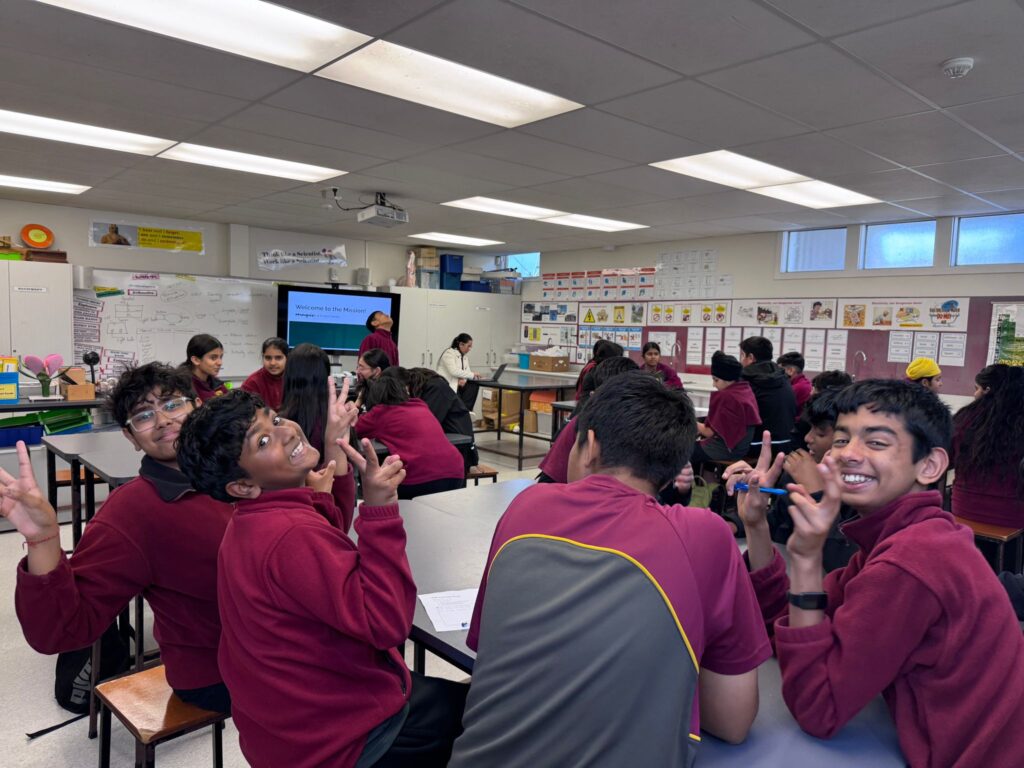
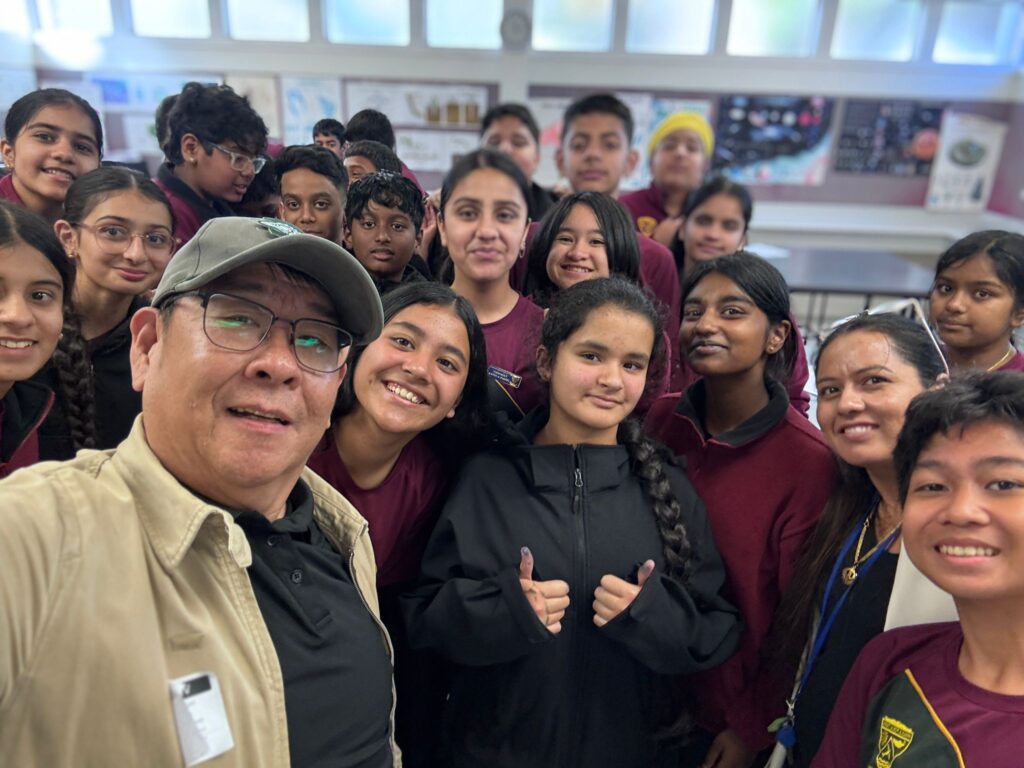
At Papatoetoe Intermediate, a group of curious and motivated learners have taken a deep dive into visible energy use at their school – turning their science inquiry into real-world climate action.
The journey began when Sustainable Schools Advisor and Enviroschools Facilitator Cate Jessep connected energy auditor Nigel Zhang with teacher Amandeep Kaur’s extension science class. The students were exploring visible energy use and were eager to take meaningful action.
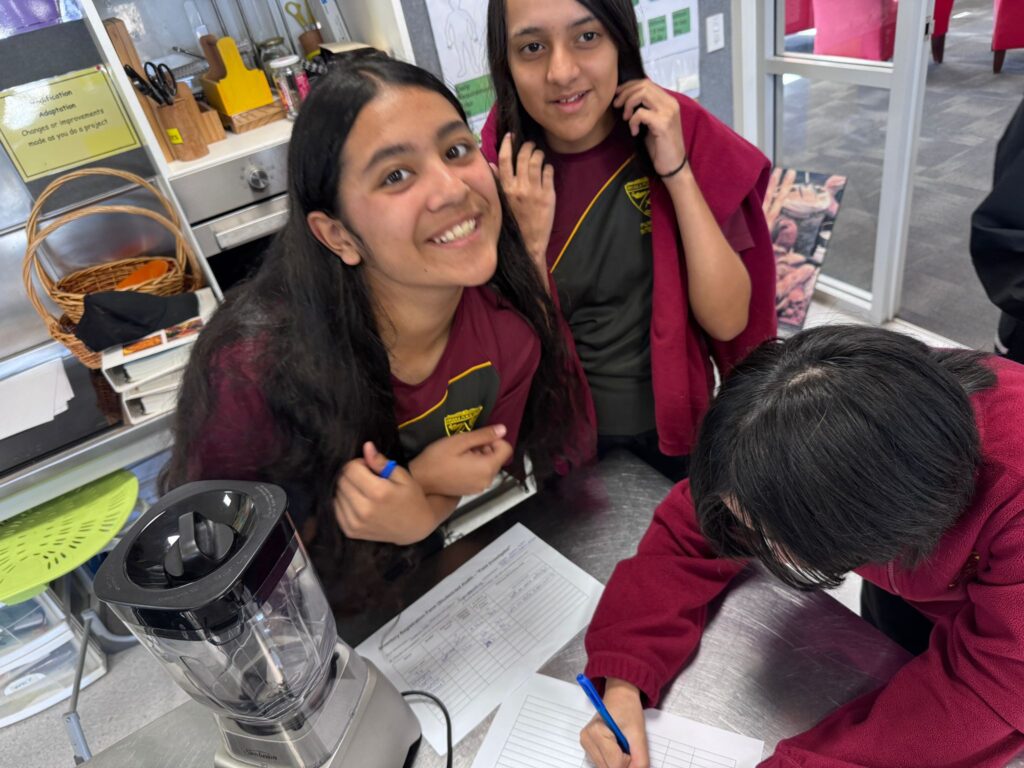
Nigel, a highly experienced carbon auditor who has worked internationally measuring carbon footprints on large-scale projects, brought both expertise and enthusiasm to the classroom. As a sustainable community contractor working with schools, he is passionate about supporting rangatahi to understand energy use in practical, empowering ways. For this project, Nigel introduced the students to professional auditing tools and guiding them through the process of carrying out a visible energy audit – equipping them with the skills to measure and monitor energy use themselves.
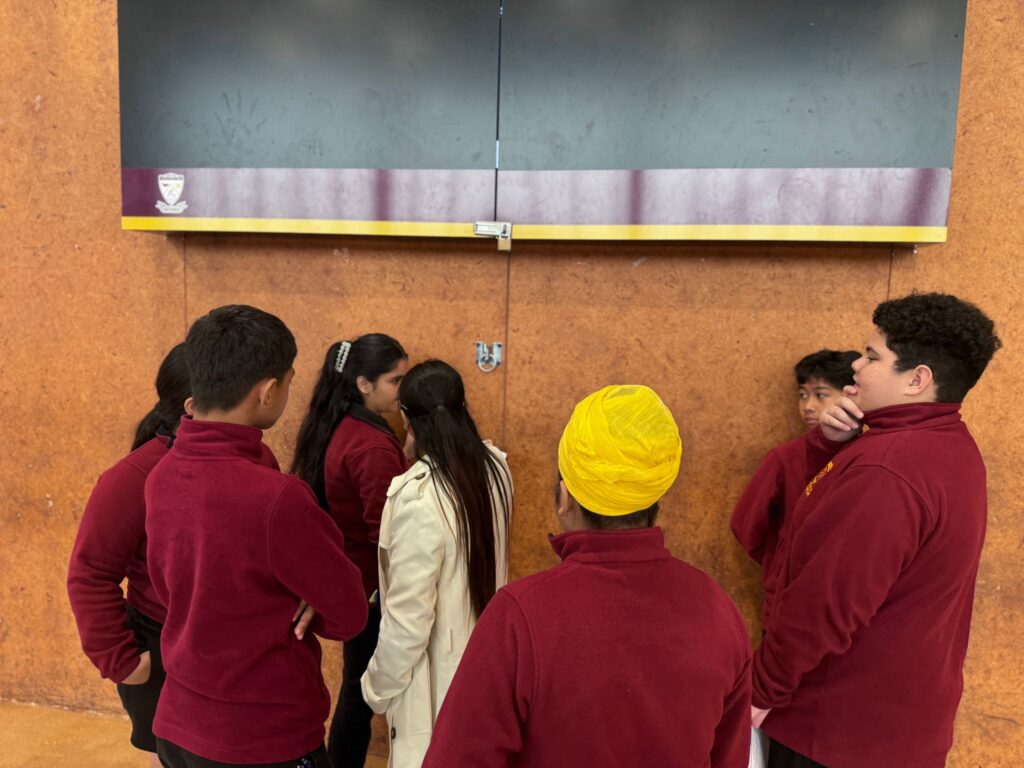
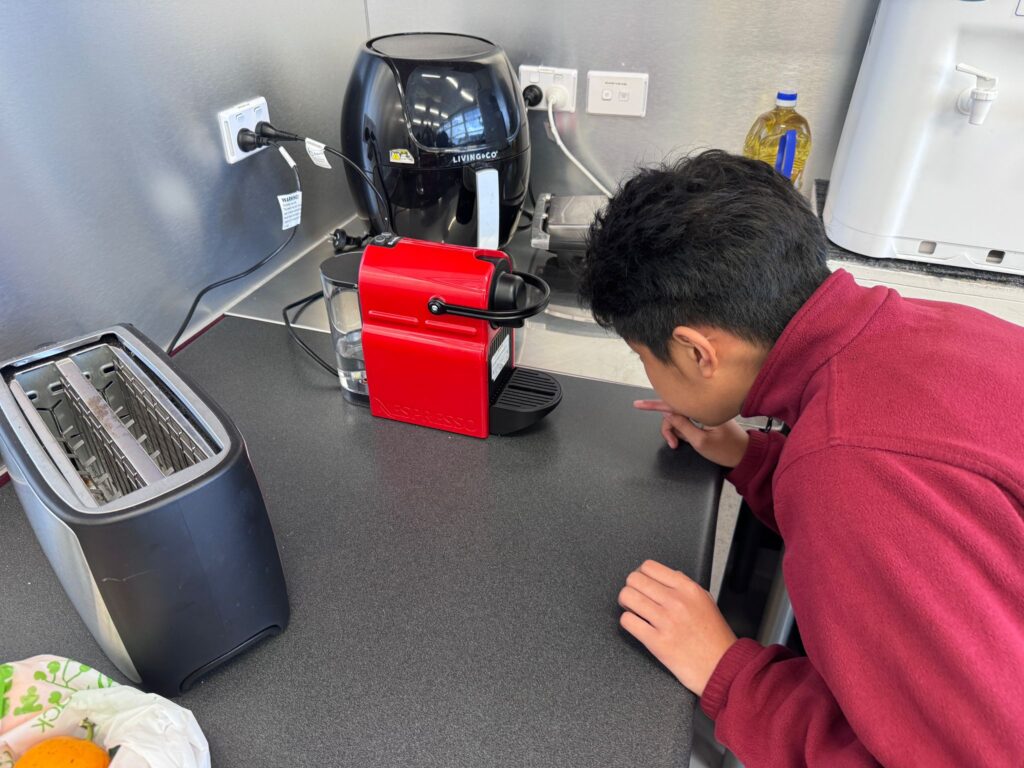
With Nigel’s coaching and Amandeep’s support, students stepped confidently into the role of energy auditors. They independently investigated how energy is used across their school, from the science lab and food technology room to the gym and classrooms. Along the way, they demonstrated both initiative and curiosity – interviewing staff to better understand how long appliances are used and identifying opportunities to reduce energy consumptions.
Nigel was impressed by the students’ approach, describing them as “absolutely amazing” and noting they did an “incredible thorough job” during their first ever audit.
As part of their learning, students explored not just energy use, but its wider impact – translating kilowatt-hours into dollar figures to better understand the cost of wasted energy. They also identified simple but effective actions, including turning off devices at the wall rather than leaving them on standby, and switching equipment off sooner after use.
Their findings were brought together in a letter to the principal, where they shared both their insights and their commitment to help the school reduce energy use and costs. As the students reflected:
“Small findings by students and staff can make a big difference when everyone works together.”
They also recognised that saving energy not only helps the environment, but could free up money for resources and improvements across the school.
“Saving energy can help the environment and may also save money that could be used for resources and improvements around the school. We hope our findings will help support the school’s commitment to sustainability.”
Throughout the process, students showed strong systems thinking and a growing sense of agency, key foundations of the Enviroschools Kaupapa. Nigel reflected that the group “proved to be true climate activitists,” taking ownership of their learning and confidently sharing their ideas for change.
This project is just the beginning. Having explored visible energy, Nigel has offered to return and work with the students to investigate “invisible energy”, such as heat loss and other forms of energy waste – building on the strong foundations already established.
With the backing of Auckland Council and community experts, this collaboration highlights the power of authentic learning experiences. By connecting classroom inquiry with real-world challenges, these rangatahi are developing the knowledge, skills, and motivation to lead sustainability action – both at school and beyond.
Author: Cate Jessep, Sustainable Schools Advisor, Auckland Council.