Over two days in Winton and Invercargill, around 170 students from 15 primary schools, alongside more than 40 kaiako from primary and early learning settings, took part in hands-on learning experiences focused on waste minimisation, kaitiakitanga and designing for a more sustainable future.
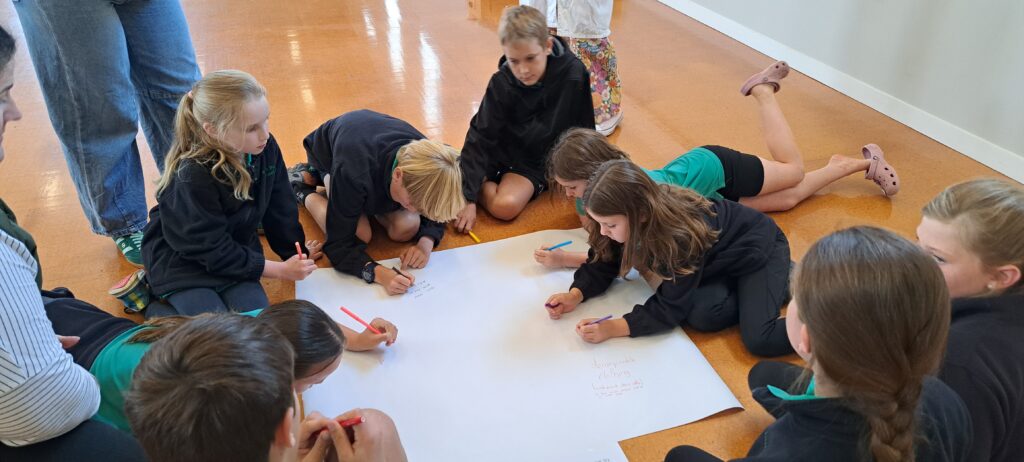
Students actively investigate how small changes can make a big difference
170 students
15 schools
40 kaiako (Primary
& ECE)8 community partners
Learning with the community, for the community
Guided by the principles of interconnectedness, participation and action learning, the workshops were grounded in the Enviroschools Zero Waste kaupapa, exploring three key ideas:
- Waste is a modern human product
- Looking after Papatūānuku
- Designing for Zero Waste
Students moved through a range of interactive learning stations facilitated by eight local organisations and community experts, including Garden to Table, the Heart Foundation, the University of Otago Marine Team, Tohu Environmental, Environment Southland, WasteNet and Environment Southland’s Dive Team. Each experience helped bring learning to life, showing how everyday choices are connected to the wellbeing of our whenua, wai, moana and communities.
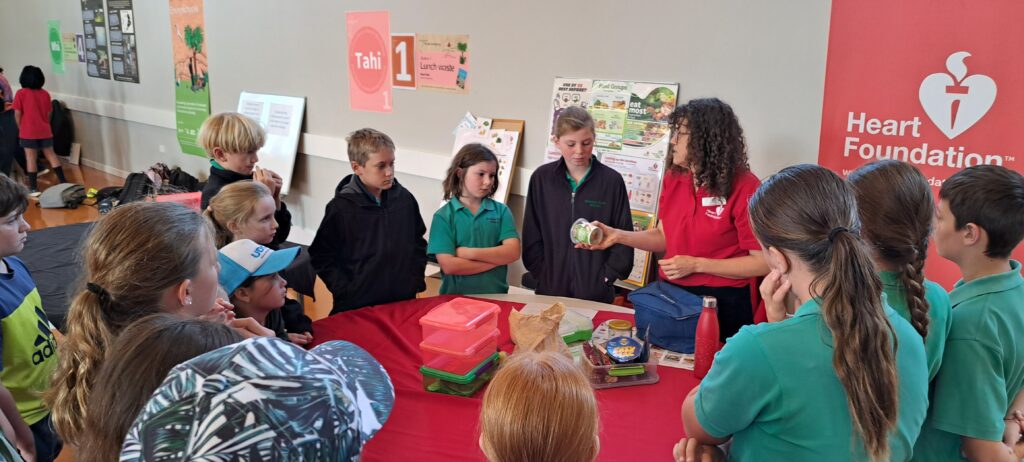
Investigating lunchbox waste and exploring waste-free alternatives
Learning experiences encouraged curiosity, collaboration and critical thinking as tamariki explored practical ways to reduce waste, make healthy kai choices, protect waterways, and better understand the impacts of plastics on wildlife and marine ecosystems. Students were supported to make meaningful connections between environmental challenges in their own lives, empowering them to see themselves as capable changemakers within their schools and whānau.
Question: What was your favourite thing you’ve learnt today? Answer: What to put in our lunchboxes and how to reduce our waste
From learning to action
A key focus of the workshops was supporting students and kaiako to move confidently from learning into action using the Enviroschools Action Learning Cycle.
During the afternoon sessions, students worked collaboratively to identify realistic and achievable next steps they could take back to their schools and communities. Already, many participating schools are beginning to implement positive changes, including:
- establishing or strengthening composting systems
- introducing clearer recycling and waste sorting stations
- trialling waste-free (nude food) lunch days
- collecting soft plastics for recycling
- connecting compost systems with school gardens
These actions are not only reducing waste to landfill, but also growing leadership, responsibility and collective ownership across school communities. Envirogroups and student-led monitoring roles are helping tamariki take an active role in shaping healthier, more sustainable environments. It’s a powerful reminder of how quickly learning turns into leadership when students are trusted to lead change.
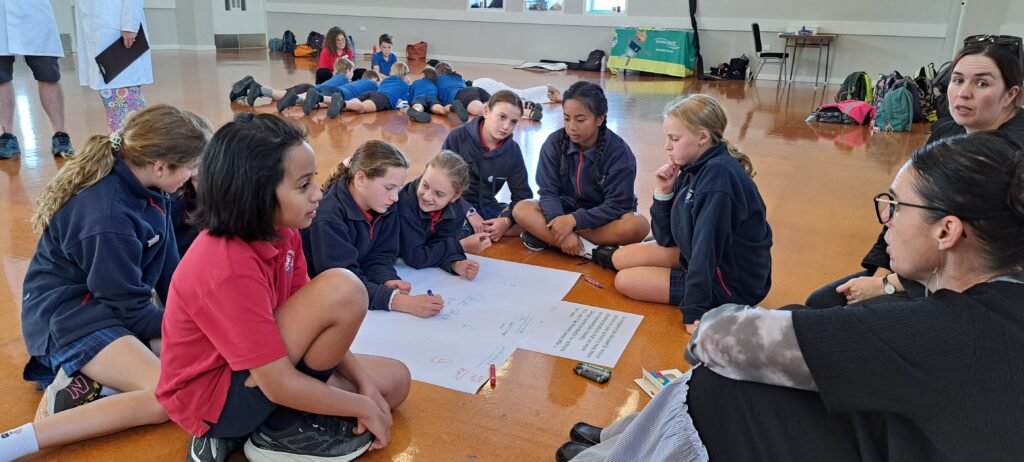
Students collaborate to identify simple actions they can lead back at school
Supporting kaiako to embed sustainability learning
Alongside student workshops, Enviroschools facilitators hosted dedicated professional learning opportunities for kaiako, including an Early Childhood Education workshop attended by 27 teachers from Kindergarten South.
These sessions explored ways to weave sustainability learning into everyday practice, strengthen bicultural approaches, and connect learning with local curriculum priorities and place-based experiences. Kaiako appreciated the opportunity to share ideas, reflect together, and build confidence in leading authentic environmental learning within their own settings.
Teachers reflected positively on the workshop experience, valuing the engaging, station-based format and the strong connections made between sustainability learning, curriculum priorities and everyday practice within their settings. Several participants highlighted how valuable it was to have dedicated time to collaborate, share ideas and strengthen local approaches to Enviroschools and sustainability education.
Going forward there is a lot to think about and areas where we could certainly deepen children’s learning in all areas. There are plenty of ideas to keep us busy. Thanks! – Jim (ECE Teacher)
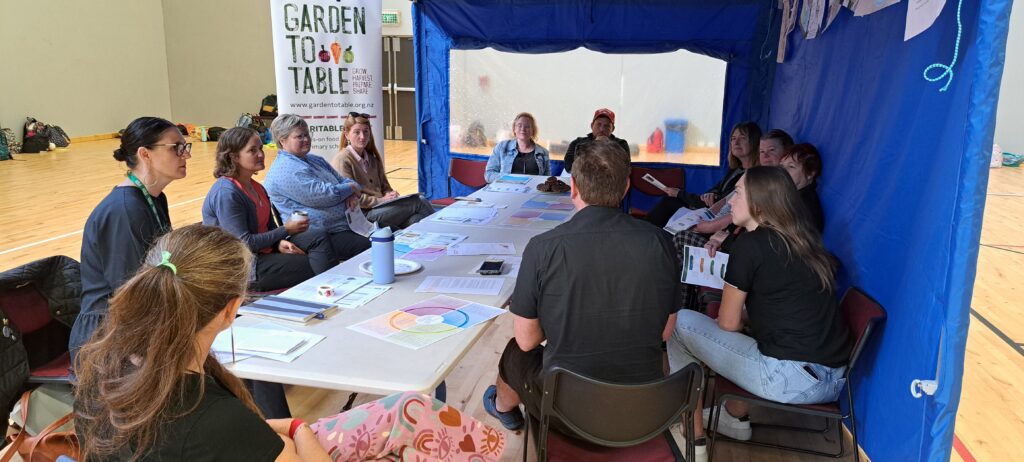
Dedicated time for kaiako to collaborate, reflect and strengthen sustainability practice
Strong partnerships, shared kaupapa
A major strength of the Zero Waste workshops was the breadth of community collaboration involved. Bringing together expertise across environmental education, health, marine science, food systems and waste management highlighted the importance of partnership and shared responsibility in creating thriving communities.
The workshops were also celebrated in local media, with the Southland Times capturing the excitement, wonder and engagement of students as they explored everything from lunchbox waste to underwater ecosystems.
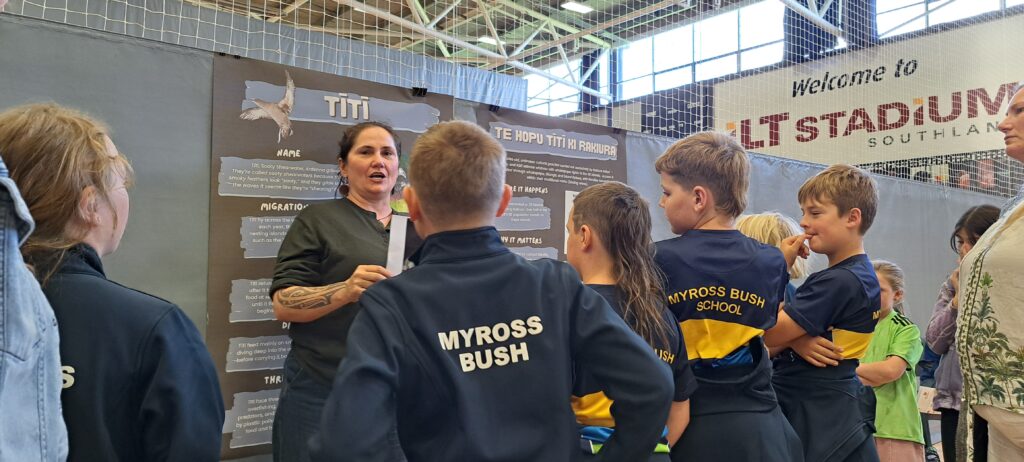
Learning alongside local experts strengthens connections between schools and community
Growing the next generation of kaitiaki
Through hands-on learning and meaningful local experiences, students were encouraged to deepen their connection to place and recognise their role as kaitiaki – caring for the wellbeing and mauri of their environments now and for generations to come.
By exploring local waterways, taonga species, food systems and waste, students strengthened their understanding of interconnectedness while building the confidence and skills to take action with their schools, homes, and wider communities. These experiences strengthened connections to place, supported values important to hapū and iwi, and continue to nurture empowered rangatahi who are leading change with creativity, care and hope for the future through meaningful action within their schools and communities.
By grounding learning in place, culture and community, the Zero Waste workshops are helping grow a generation of confident kaitiaki – already leading change in their schools, and shaping a more sustainable future for Murihiku.
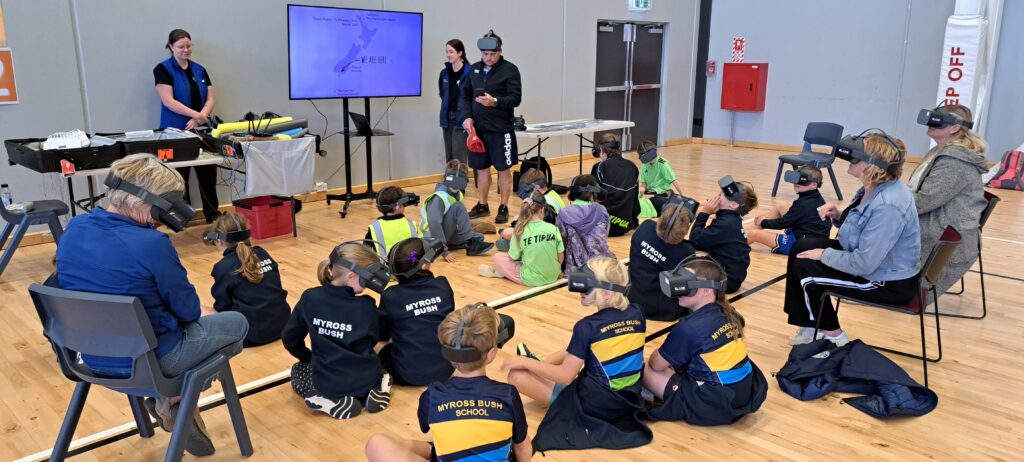
Curious minds in action as students rotate through Zero Waste learning stations
Acknowledgements
Ngā mihi nui to Toimata Foundation supporting this kaupapa through funding made possible in partnership with the Ministry for the Environment. Their support has enabled rich, locally grounded learning experiences that continue to grow environmental leadership and action across Murihiku.
The dream team!
It was incredibly well run, well organised, and had such a good feeling across the days. The turnout was awesome, and it was great to see such strong engagement from both the tamariki and kaiako – Skye (Education Facilitator – Garden to Table)
 Print
Print