“Nau te rourou, nāku te rourou, ka ora ai te iwi”
With your food basket and my food basket, the people will thrive
At Pakuranga Baptist Kindergarten, sustainability isn’t a programme – it’s simply the way things are done.
In a time when many educators and whānau are navigating change and uncertainty, this Enviroschool offers something grounded and hopeful: small, meaningful actions that grow confident, capable tamariki who know they can make a difference.
Behind this is a deep commitment from the teaching team, who intentionally create the conditions for tamariki to explore, take risks, and lead. Their leadership ensures that everyday experiences – in the garden, in the bush, in the community – become rich opportunities for learning, connection and action.
Over the past six years, the kindergarten community has quietly transformed a stretch of land along the Tāmaki River. Together with park rangers, whānau, and their church community, tamariki have helped plant over 3,000 native trees – returning life to the whenua and strengthening their connection to the place they call home.
Twice a week, rain or shine, a group of ten young “outdoor explorers” head out beyond the kindergarten gate. They visit nearby bush, gathering seeds for their seed library, noticing seasonal changes, picking up litter, and chatting with people they meet along the way. These regular journeys ground their learning in the real world – where caring for the environment and being part of a community go hand in hand.
Back at the kindergarten, that same sense of connection continues. Tamariki grow, harvest and prepare their kai they grow through the Garden to Table programme. Recently, a harvest of broccoli and cauliflower became “ninja food” – and even those who usually avoid greens came back for second and third helpings.
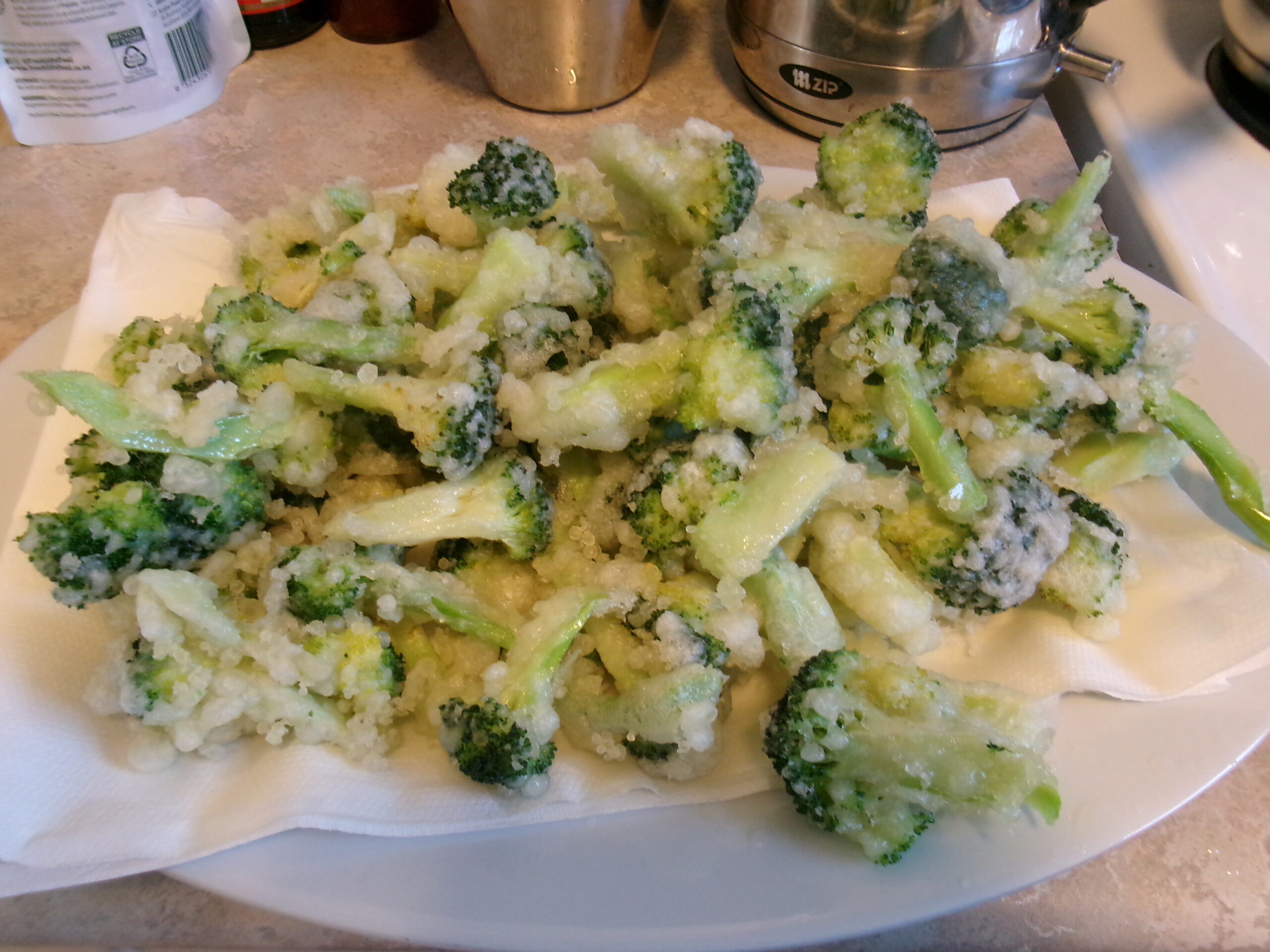
Plant it. Grow it. Eat it. From garden to ninja fuel!

The harvest table brings garden learning indoors, helping tamariki explore where food comes from through hands-on discovery, observation and conservation.
The learning begins right from seed. Using an OMG grow box tamariki nurture hundreds of vegetables seedlings before planting them out into their gardens and sharing surplus trays with others. This flows naturally into their flourishing permaculture space, where tamariki help build a “messy” food forest, shifting mulch, planting, and gathering kai.

OMG Grow box..just add aroha, wai, and patience.
Nothing here is wasted. Tamariki love making compost in the carbon cycle bin, adding scraps, checking temperatures and looking for treasure in what they say, looks and feels like chocolate cake. Everyday practices, like sorting waste or using reusable cloths, reinforce the understanding that everything has a place and a purpose.
Creativity is woven through the environment. Tamariki build furniture from reclaimed pallets, design and make their own shoes, and turn their ideas into tangible creations.

Ninja shoes ready for action! Learning through play, one step at a time.
These experiences nurture confidence, independence, and the belief that their ideas have value.
This way of learning doesn’t go unnoticed. When Pakuranga Baptist Kindergarten hosted an Enviroschools cluster, educators, students and community members gathered and were inspired by the confidence and leadership of tamariki and kaiako, sharing how they are taking action for a climate resilient future.
Among them was Kai Zeng, now Howick Local Board Deputy Chair, who had attended the kindergarten himself 20 years earlier. Seeing the evolution of this mahi – and reconnecting with lead teacher Jacqui Lees, he reflected:
“Jacqui, you have always been passionate about giving outdoor experiences. Great to see how you have grown your passion with Enviroschools.”
At its heart, this story reflects what becomes possible when tamariki are trusted, supported, and inspired by strong kaiako leadership.
The seeds being sown here – in the soil and in the children – are growing into something much bigger: a generation who see themselves as kaitiaki, connected to their place, their people, and their future.
Like the whakataukī reminds us, it is through shared effort, shared learning and shared responsibility that everyone thrives.
 Print
Print