When Saint Peter’s and Saint Paul’s Schools discovered all four of their Yr 7/8 classes could experience the World of Waste tour they leapt at the opportunity. Kaiako could see the prior learning could be extended in literacy about drains as streams from their school journal article The Fish Highway would connect in with mana whenua aspirations to reduce plastic in local waterways. Also in numeracy redesigning lunchboxes to reduce plastic, in māra kai repurposing resources and seed saving for future growing and in school community reusing school uniforms.
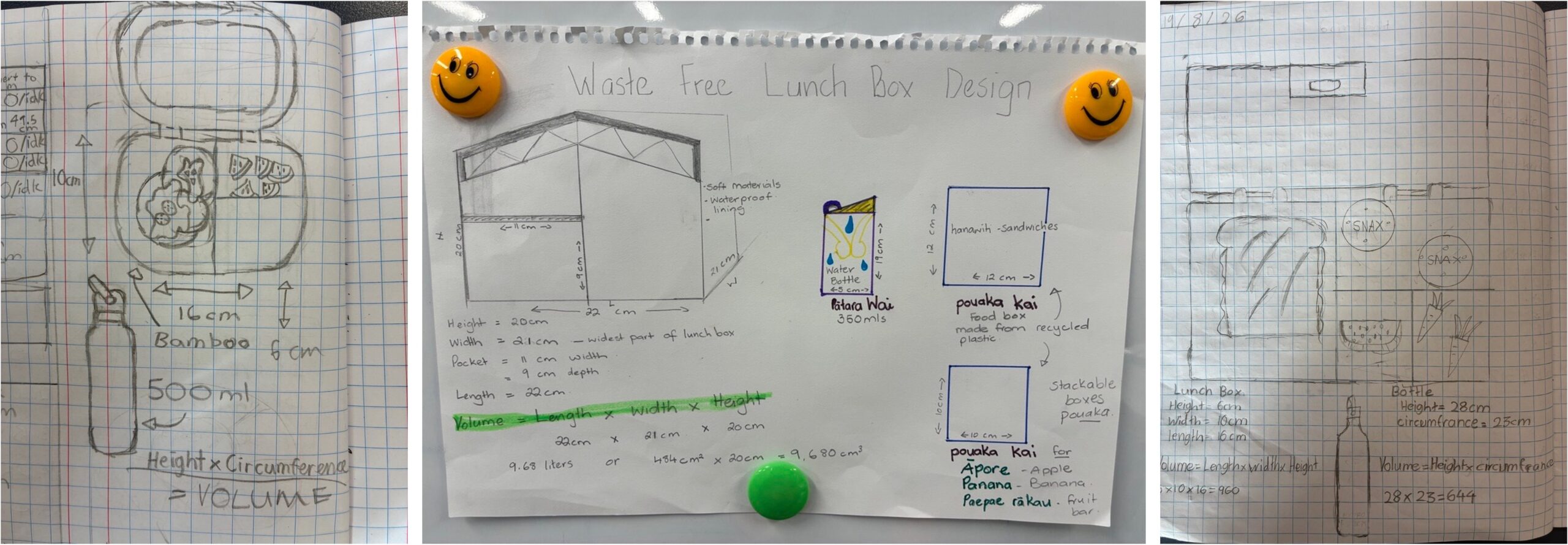
Ākonga lunch box designs that reduce need for plastic.
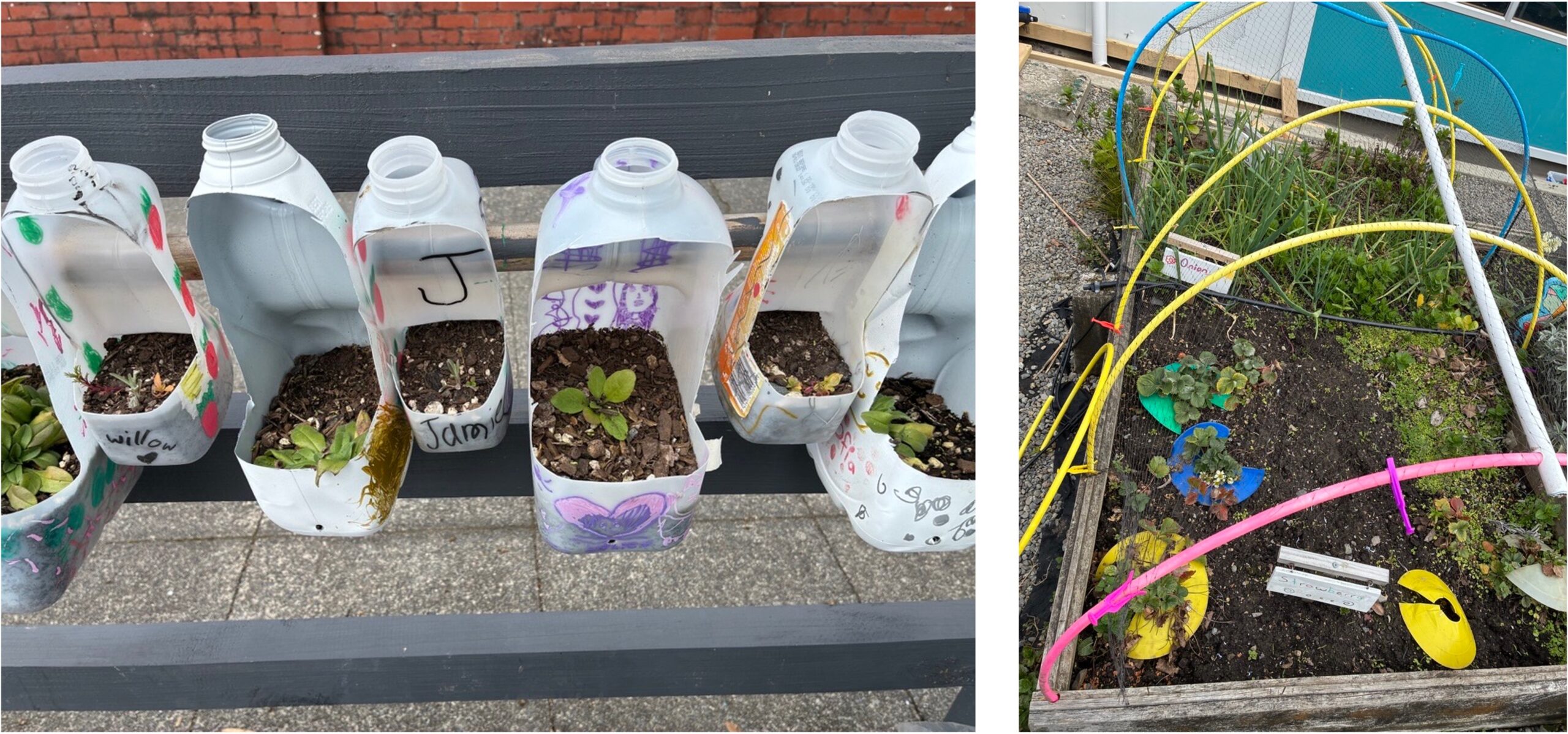
Repurposing of play equipment in the schools māra kai.
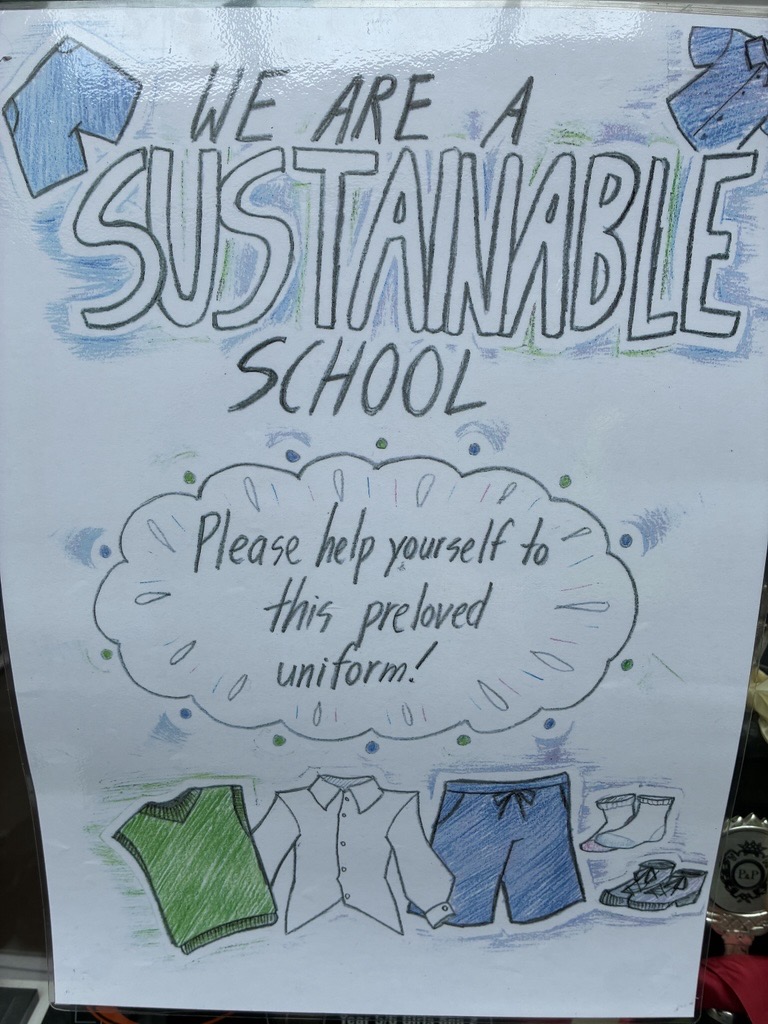
Encouraging passing on of outgrown uniforms.

Repurposing-items for the set of the school production.
Enviroschools facilitated the pre tour activity tailoring for each classes’ inquiry, ranging from marine reserves and whales to repurposing or reusing materials for craft or slow fashion.
On the day of the tour, a parent helper realised that items from their mahi could be repurposed.
They got thinking about how to repurpose the old road petrol uniforms and divert them from landfill, just as Earthlink does.
The landfill expansion and need to relocate mokomoko really touched the hearts of ākonga:
“It makes us feel bad that we are wasting paper. Cutting down trees reduces oxygen in our air for us to breathe. It impacts our birds and insects habitat. We need to reuse paper – use all of it”.
“We came to learn about how landfills are made and we learned how to help the animals” .
You can see it in the messaging they got from the day that they expressed in the activity at The Dowse.
Kaiako were buzzing with inspiration from the stencil concept and their waste free lunchbox concept to make beeswax wraps with stenciled messages on.

Stencil art capturing the messages from the day.
An action following the tour day was ensuring the set and props for upcoming production were crafted from repurposing items, the visit to Earthlink had been an inspiration for this. As the school is located near the final stop on the tour The Dowse Art Museum, students walked back and the response to learning was evident as the ākonga unprompted picked up any rubbish they saw on the street during their walk back:
“We need to stop the amount of stuff that is blowing into the ocean. I don’t feel good because it is something that could take 500 years to break down but 60 days to recycle. We need to make the choice to recycle, put it in the recycling bin instead of rubbish bin”.
Enviroschools facilitators returned to run a follow up activity capturing what students learnt from the tour and what action they would like to take.
Ideas were:
- They can make a rule that you can’t have too much plastic in your lunch box
- You can have a waste free day.
- We have a stream cleanup day
- Some of our little kids don’t realise that climbing the trees might stop them from growing so communicating that somehow to look after these habitats
- We can use broken pipes and old robots to make new playground posts
- Beach clean up
- Every week we can go around the playground and clean up
- Put a notice on Facebook that you should pick up rubbish
- I think that we should be recycling bins all around the school
- Coming up with an alternative to wrappers in our lunchboxes
- Posters to communicate
- When having a celebration, not having plastic prizes in goody bags. We could be imaginative and make gifts out of rubbish
- If having pizza, ensure no good waste, eat leftovers and compost the boxes
- A community compost and garden
- Have a goal to work towards
- Not using single use plastic
- Reduce use of plastic cups
- Make a petition to the government to not have plastic that cannot be recycled
- Have a requirement for things to be repaired before throw away, especially the stuff you use most
- Setting up soft plastic recycling
Kaiako will discuss with their classes which are achievable actions and support them to happen with one possibility to work with Hutt Foundation and visit the supermarket to explore packaging, ingredients and planning for a healthy, waste min lunch/kai together.
Assistant principal Sinead looks to weave learnings into curriculum and embed across the school:
“Next year, I will not be working full-time in a classroom. I will be focusing fully on my leadership role as assistant principal, which includes curriculum development across the school. We have two new curriculums being released-science and social sciences. I will have more time to focus on the next steps we identified this year and how these can be embedded across the school”.
One student’s idea for action affirmed the World of Waste tour as valuable:
“Spread the word, more trips like this!”
 Print