Secondary students from across the Waikato are stepping up as environmental leaders, building confidence, connections and practical skills to create change in their schools and communities.
Thanks to funding from Toimata Foundation, made possible through their partnership with the Ministry for the Environment, secondary students and teachers from across the Waikato have been connecting, learning and taking action for a more sustainable future. Through a Secondary Teachers Professional Development Hui and the Enviroleaders Summit, Enviroschools Waikato brought together teachers, students, community organisations and environmental experts to strengthen leadership, inspire collaboration and grow environmental action across the region.
29 students from eight schools and 11 teachers from eight schools participated across the two programmes, representing communities from Hamilton, Hauraki, Matamata and Taupō.
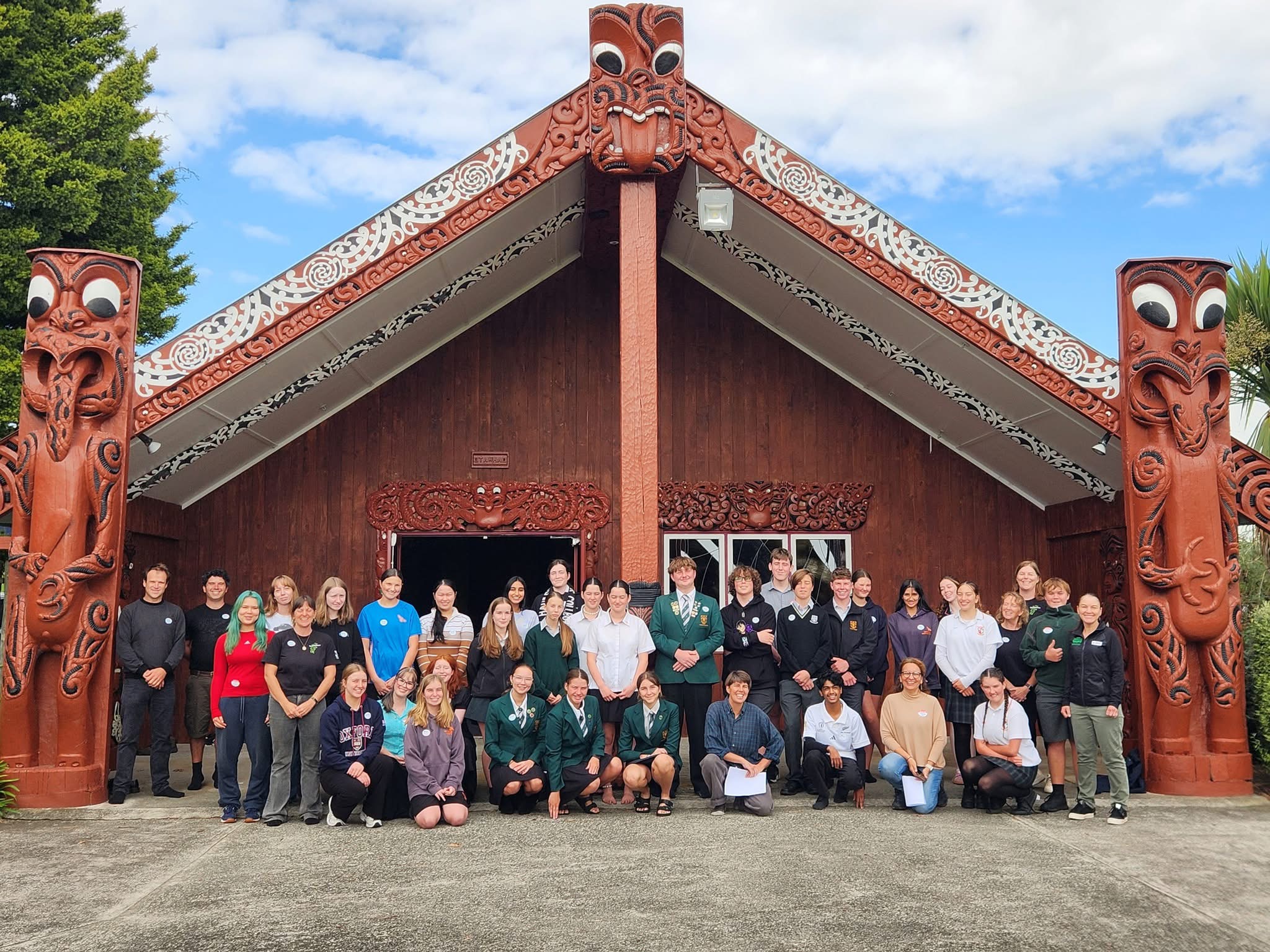
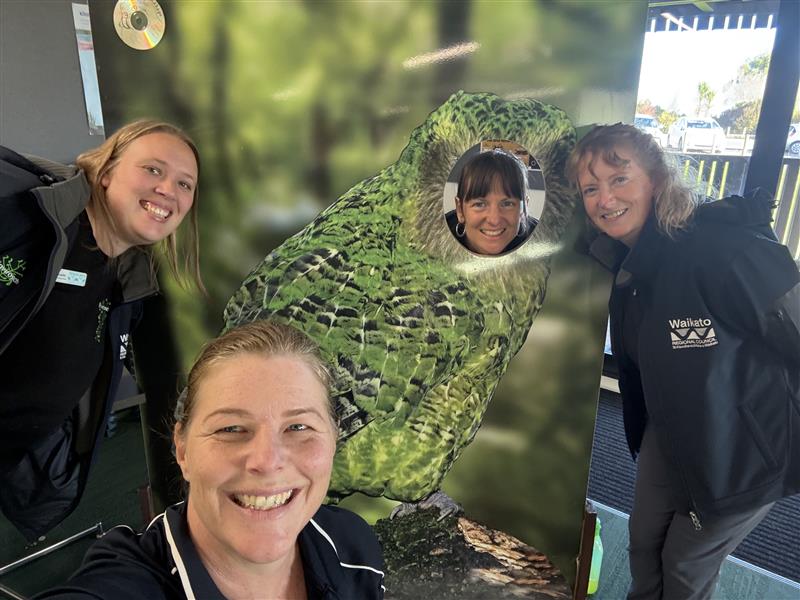
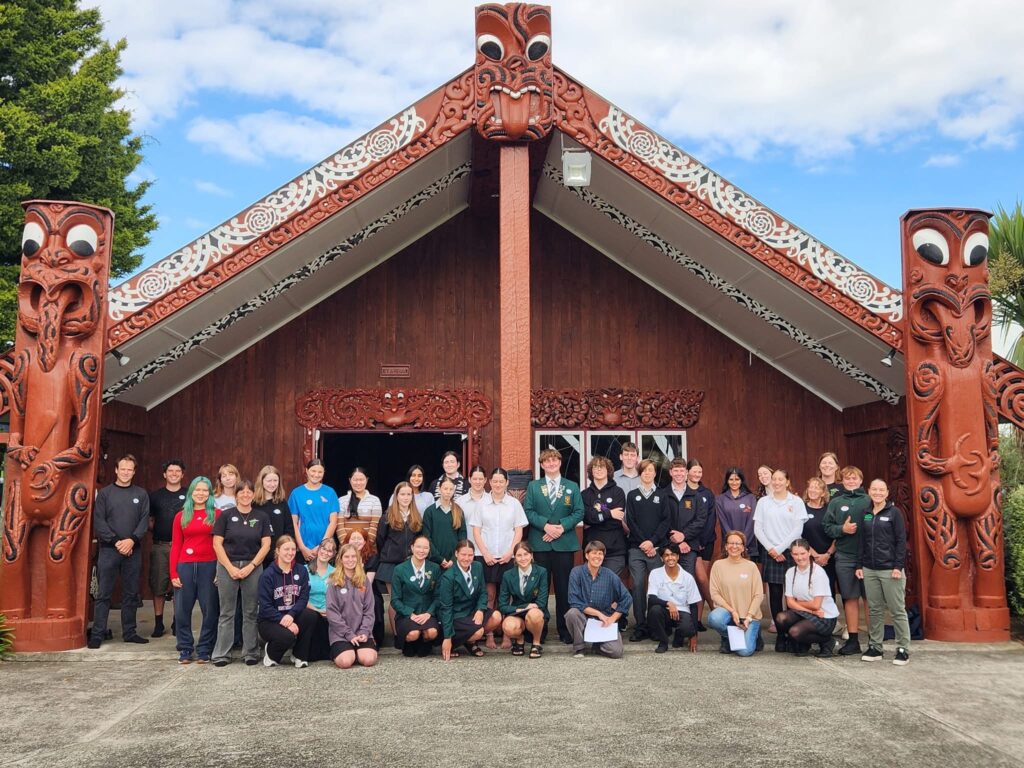
Future environmental leaders and educators unite for a group photo, reflecting the collective spirit of kaitiakitanga and action
…………
Learning through real-world experiences
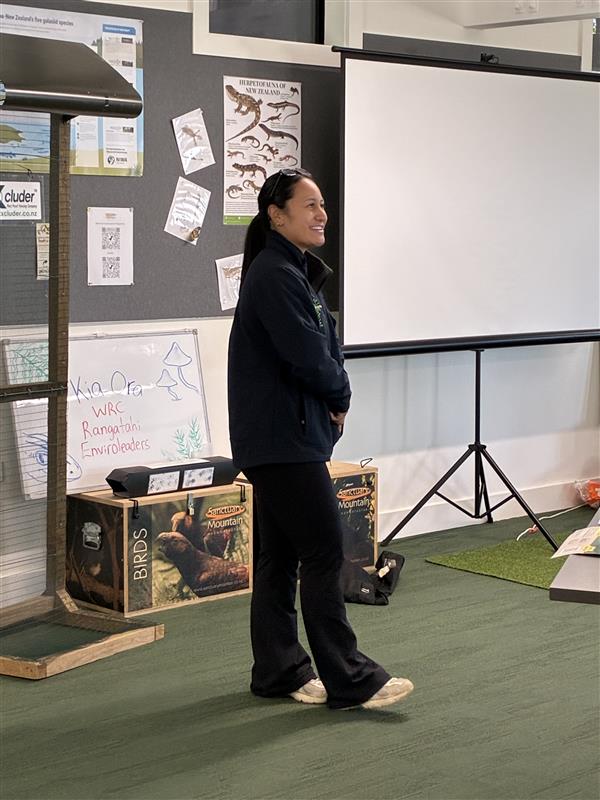
Kōrero from environmental education providers helped build relationships with schools
The journey began with an overnight professional learning experience for secondary lead teachers, designed to deepen connections across the Waikato Enviroschools network and support learning for sustainability in secondary schools. Teachers explored practical resources, shared successful school projects and built relationships with organisations including Sanctuary Mountain Maungatautari, Pare Kore, Smart Waikato and NZAEE.
Learning was grounded in real-world experiences, with participants undertaking stream monitoring, waste audits and biodiversity education alongside local experts. By connecting teachers with practical tools, local knowledge and each other, the hui helped strengthen their confidence to support student-led environmental action back at school.
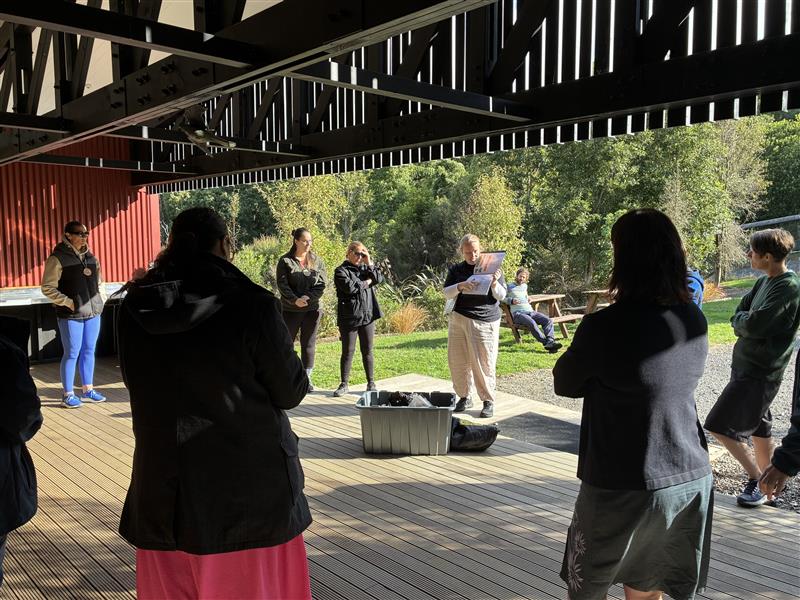
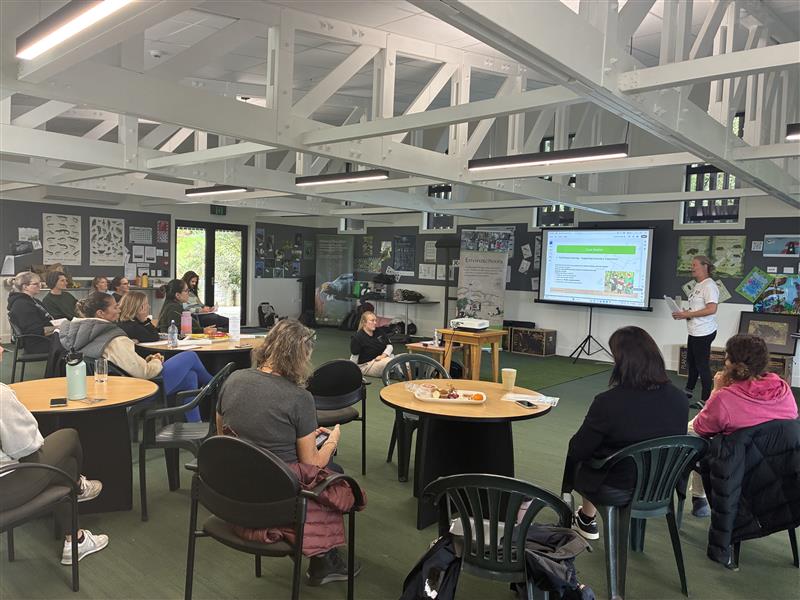
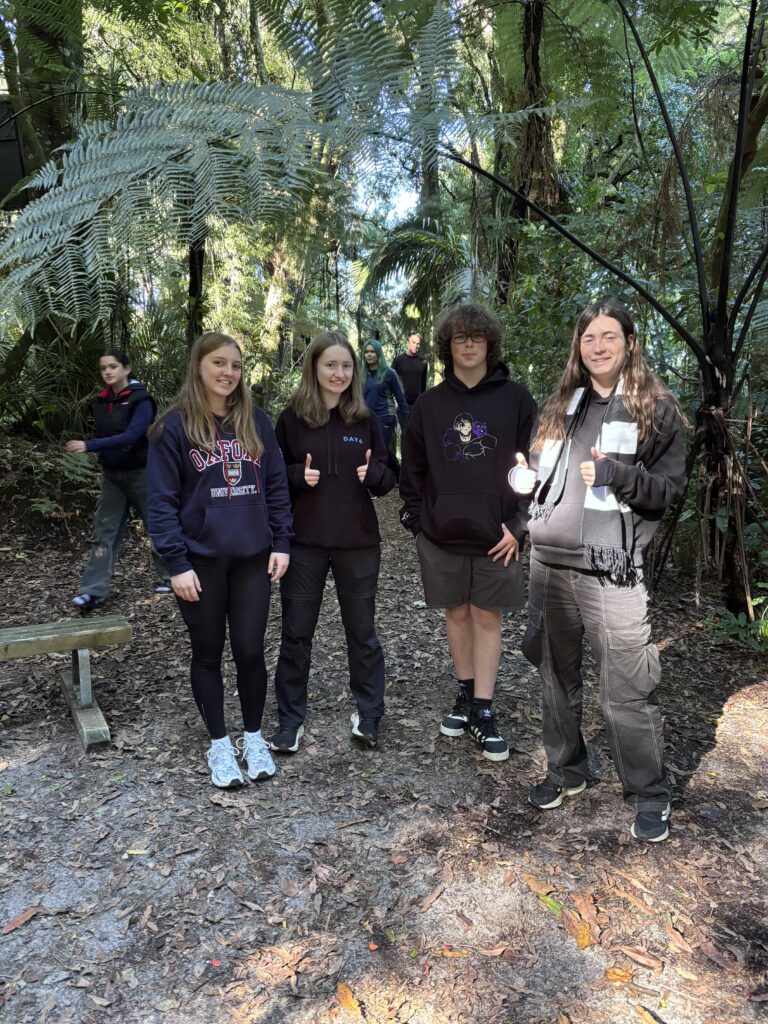
Participants gather outdoors to explore practical approaches for environmental action
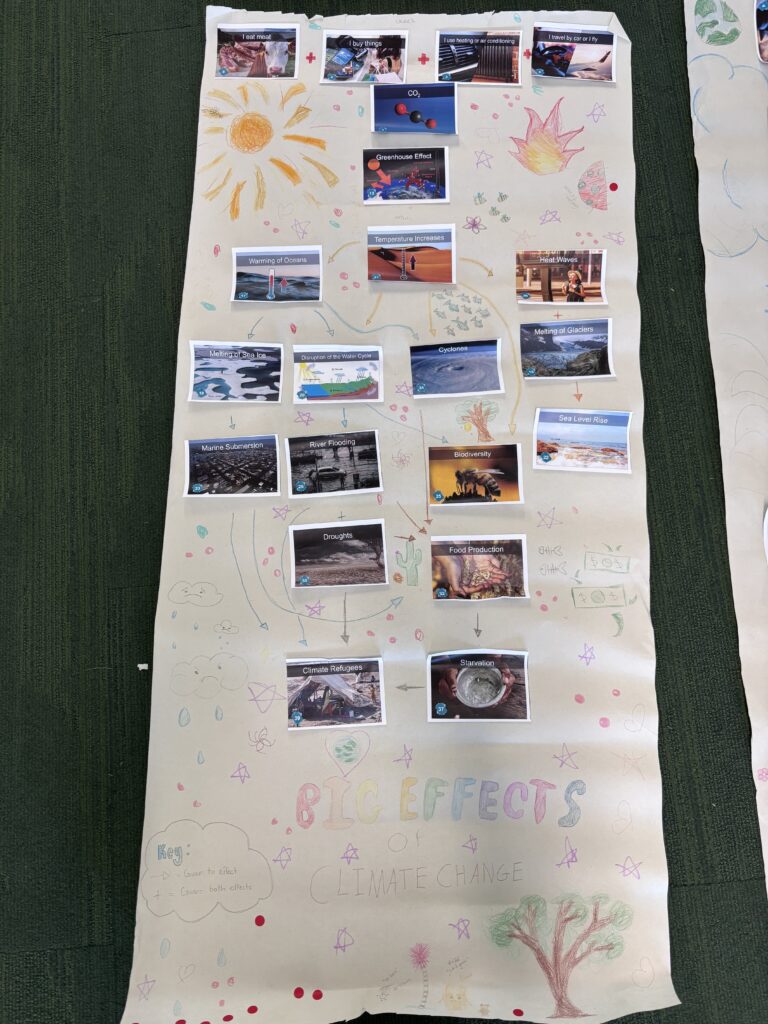
The Enviroleaders Summit extended these opportunities to students, with rangatahi exploring climate change, biodiversity and community resilience through interactive workshops, field experiences and conversations with environmental practitioners and local government representatives. A Climate Fresk workshop helped students understand the causes and impacts of climate change, while visits to Sanctuary Mountain Maungatautari and climate adaptation workshops demonstrated how communities are responding to environmental challenges.
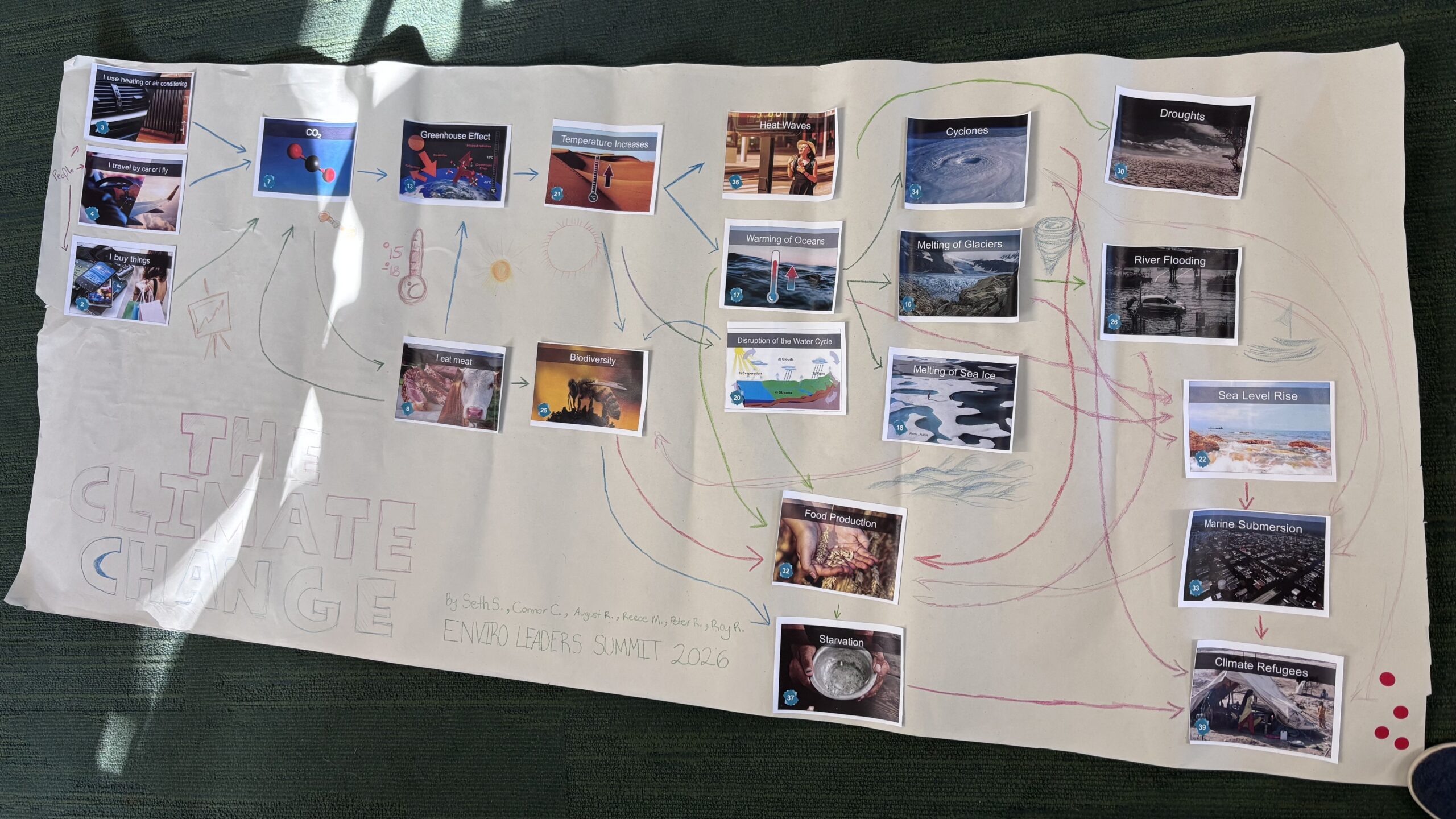
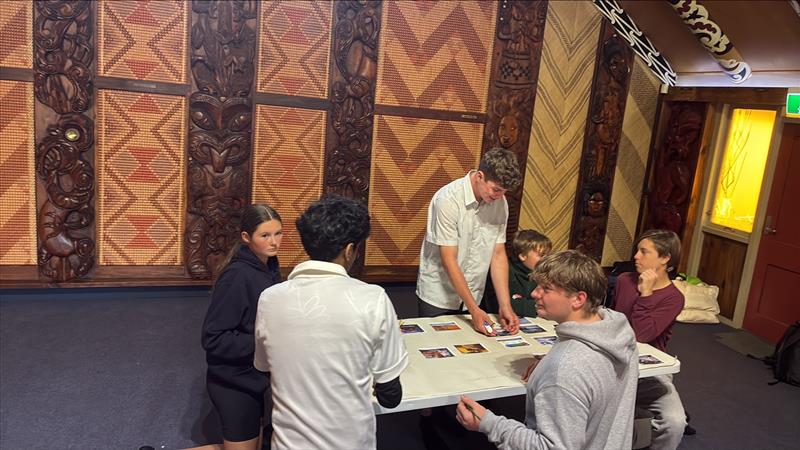
Climate Change explorations by rangatahi at the Enviroleaders Summit
…………
Honouring Te Ao Māori
Held at Otāwhao Marae, the Enviroleaders Summit was grounded in Te Ao Māori, creating opportunities for students to connect with each other, with place and with kaupapa that support long-term wellbeing for people and the environment. The summit opened with a mihi whakatau led by Macky Horotini, with returning participant Seth from Paeroa College responding on behalf of students.
Through whakawhanaungatanga activities, students explored their connections to their rohe and reflected on the importance of collective action. Teachers were also encouraged to consider authentic ways of celebrating Matariki and building relationships with local hapū through environmental initiatives.
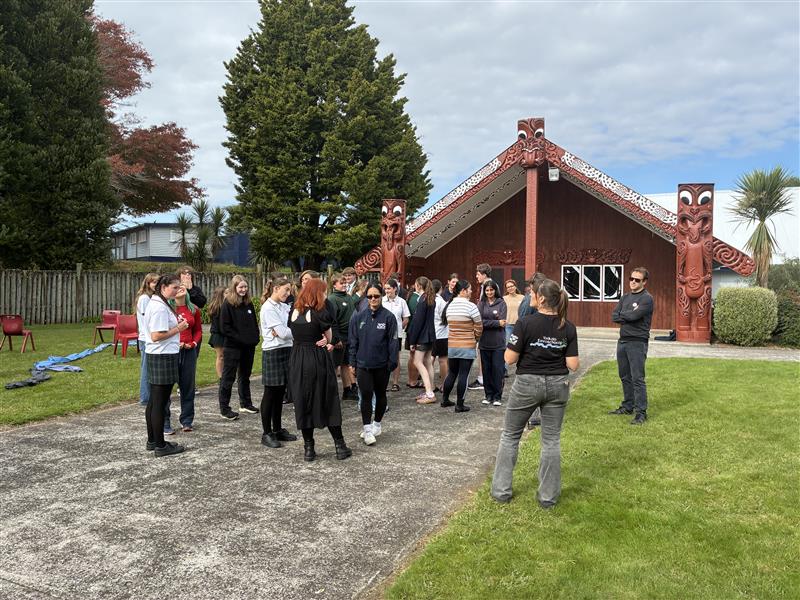
Students gather outside wharenui, beginning a day of learning and connection through culture, environmental, and community
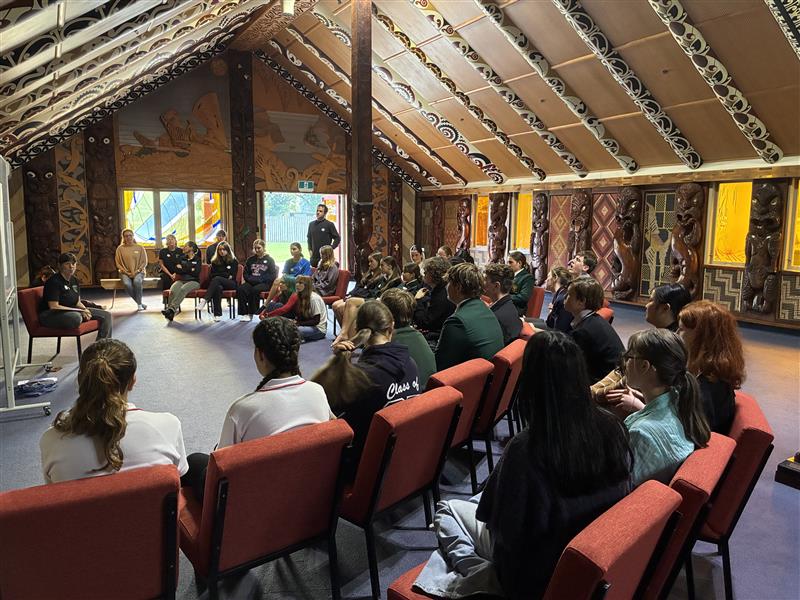
Sharing stories knowledge and perspectives during a session inside the wharenui
…………
From Inspiration to Action
One of the strongest outcomes of the programme has been the action already taking place within schools.
Across the region, students have identified and begun projects including:
- Establishing new Envirogroups and student-led sustainability committees.
- Expanding waste minimisation and recycling programmes.
- Creating food gardens and reflective outdoor spaces.
- Planting native species and improving biodiversity.
- Developing climate adaptation projects with local councils.
- Strengthening curriculum connections to sustainability and Enviroschools kaupapa.
Some schools have already made tangible environmental changes.
At Rototuna Junior High School, approximately 1,400 students planted 400 native plants during Matariki celebrations, beginning a biodiversity area that will continue to grow in future years. Hillcrest High School replaced a garden area with 20 native plants, while Rototuna Senior High School has introduced clearly labelled waste stations, established predator trapping, and adopted more sustainable gardening practices such as mulching to reduce water use and chemical sprays.
…………
Building confident environmental leaders
The summit gave students more than environmental knowledge. Feedback showed participants left feeling more capable, connected and hopeful about making a difference. Students reported increased understanding of climate change, greater confidence to take action and stronger leadership skills to support projects within their schools and communities. The highest-rated outcome was feeling connected with others who are equally passionate about environmental action.
Many students highlighted the value of collaborating with peers from other schools and seeing how collective action can create change.
Teachers reflected on the importance of practical learning and connection.
One Biology teacher noted:
“Super well resourced – practical, pragmatic help from enthusiastic and passionate people.”
Another shared:
“Lots of ideas I can easily slip straight into my classes/subjects.”
By bringing together students, teachers, mana whenua, councils, community organisations and environmental experts, Enviroschools Waikato helped create the conditions for learning, connection and action to flourish. The networks and projects emerging from these events demonstrate the power of supporting young people to lead change in places they care about. With a third Enviroleaders event planned later this year, this growing community of environmental leaders is just getting started.
Together, they’re growing more than environmental knowledge, they’re growing the leaders our communities and our taiao need for tomorrow.
 Print
Print