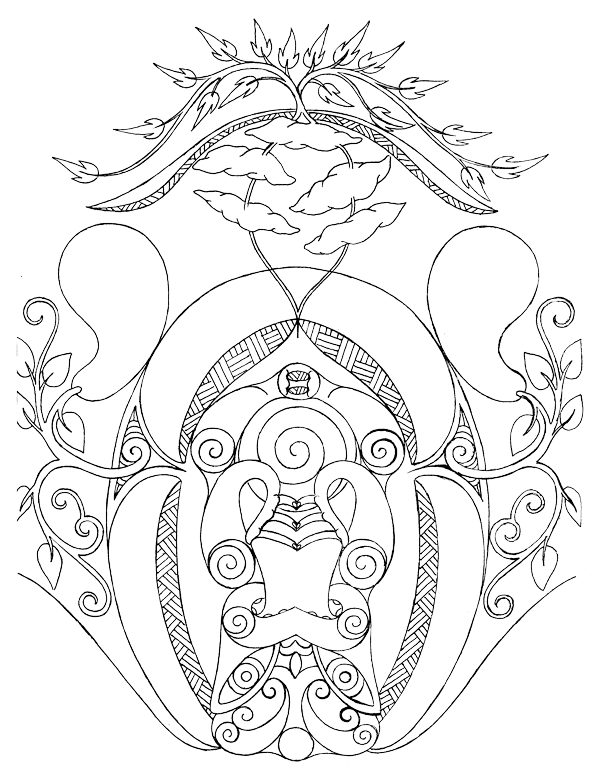
Beneath the shelter of Tānemahuta, every seedling tells a story. To plant a tree is to believe in tomorrow. It is to restore what has been lost, to strengthen the whakapapa of the ngahere, and to offer refuge for birdsong, insects, waterways, and future generations.
Kotahi kākano, nāna i tipu ko te wao tapu nui a Tāne.
From one seed grows the great sacred forest of Tāne.
Kaitiaki Kindergartens’ Ngā Rākau o te Ngākau | Trees of the Heart project brought together tamariki, whānau, kaiako, mana whenua, schools, and community partners in a shared mission to grow, plant, and nurture trees that support the wellbeing of people and planet. This project united all Kaitiaki Kindergartens in a collective effort to strengthen biodiversity and ecosystem regeneration, freshwater health, and empower tamariki as active contributors to Aotearoa’s One Billion Trees movement. Celebrating the deep connection between children and te taiao, the project grew roots of care and responsibility that extend from local soil to the collective canopy of global change.
This kaupapa was made possible through funding from Toimata Foundation, in partnership with the Ministry for the Environment, enabling kindergarten communities across the region to access native plants, restoration resources, environmental learning experiences, community events that supported meaningful hands-on action for te taiao.
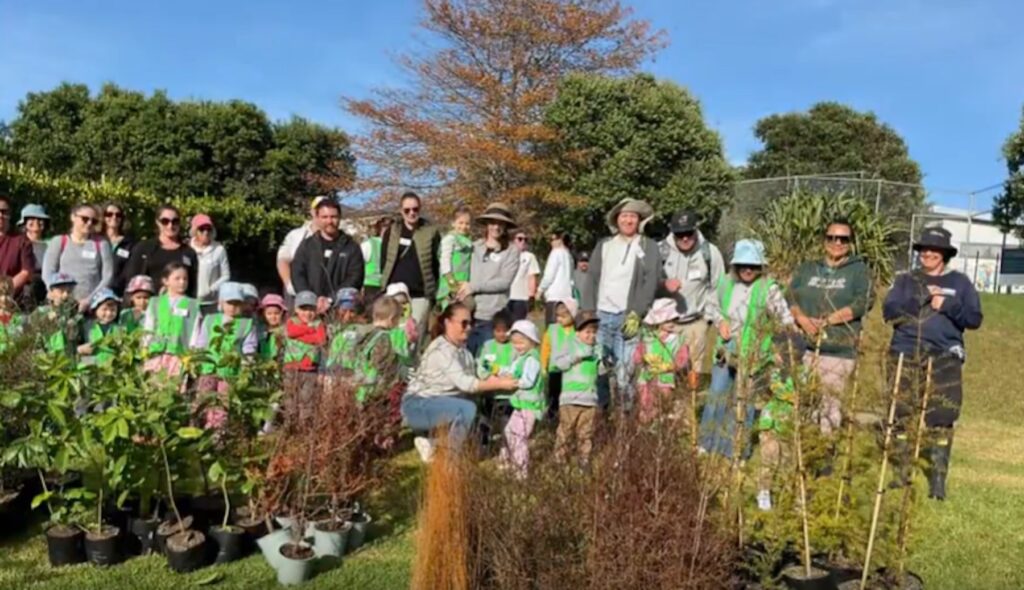
What began as a goal to plant 500 native trees grew into something much bigger. Over six months, communities across the wider Rodney and Hibiscus Coast areas of Tāmaki Makaurau came together to plant and distribute 1,105 native trees and plants, more than doubling the original target. Along the way, tamariki collected seeds, nurtured young plants, restored waterways, created habitats for native wildlife, and strengthened connections with the natural world.
This collective effort not only transformed local environments but also built lasting partnerships and empowered a new generation of environmental leaders to care for Papatūānuku.
Taking Action for Nature
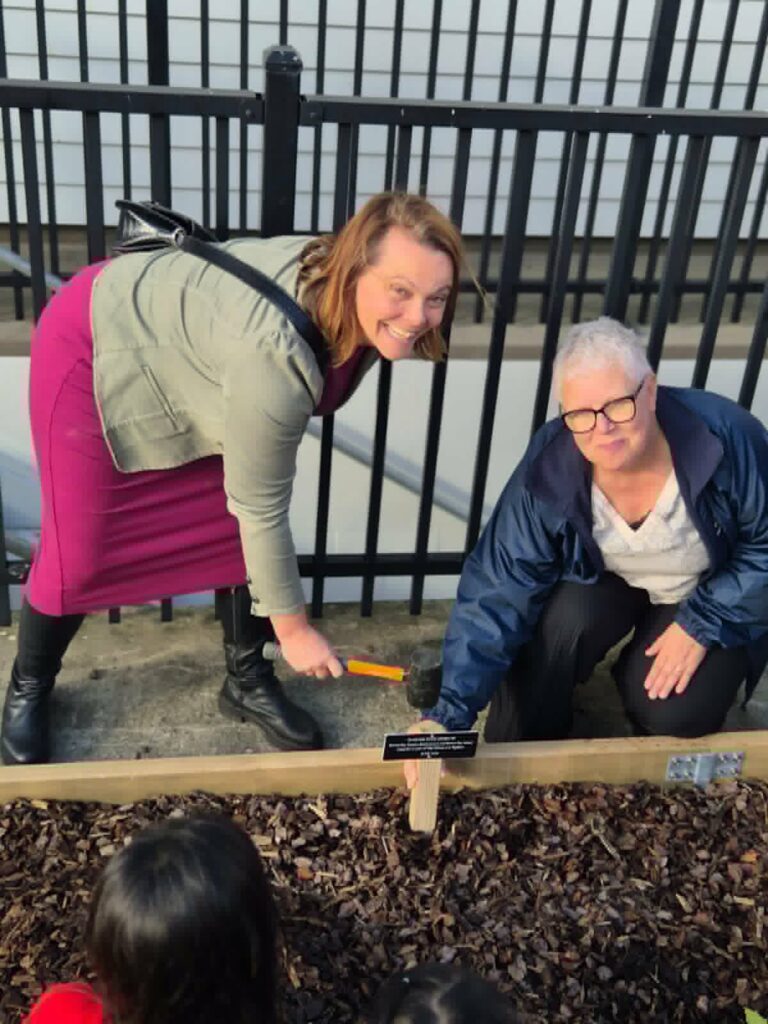
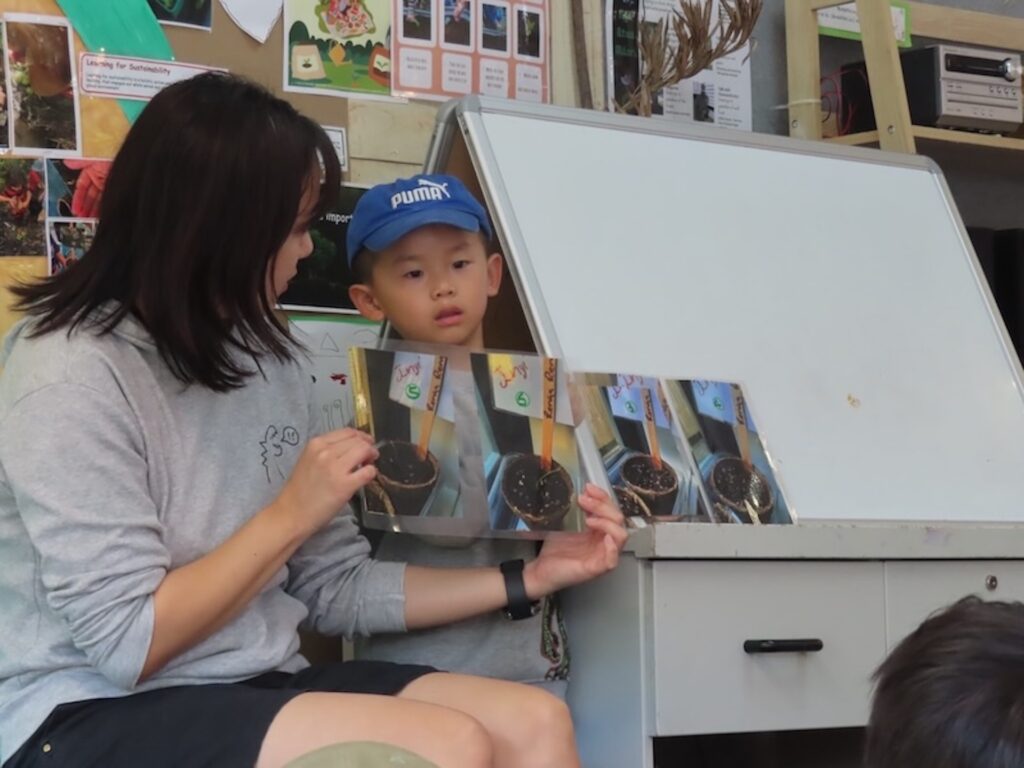
Tamariki spent the summer collecting and observing seeds, learning about germination and te tipuranga o te rākau, the science of how a tree grows, and sharing young tipu/plants with whānau. During autumn, kindergarten communities worked with local experts and environmental groups to plan planting projects, map biodiversity opportunities, and prepare sites for restoration. Winter became a season of action, with community planting days, habitat creation, restoration projects, and native planting events taking place in kindergartens, schools, reserves, parks, and alongside waterways.
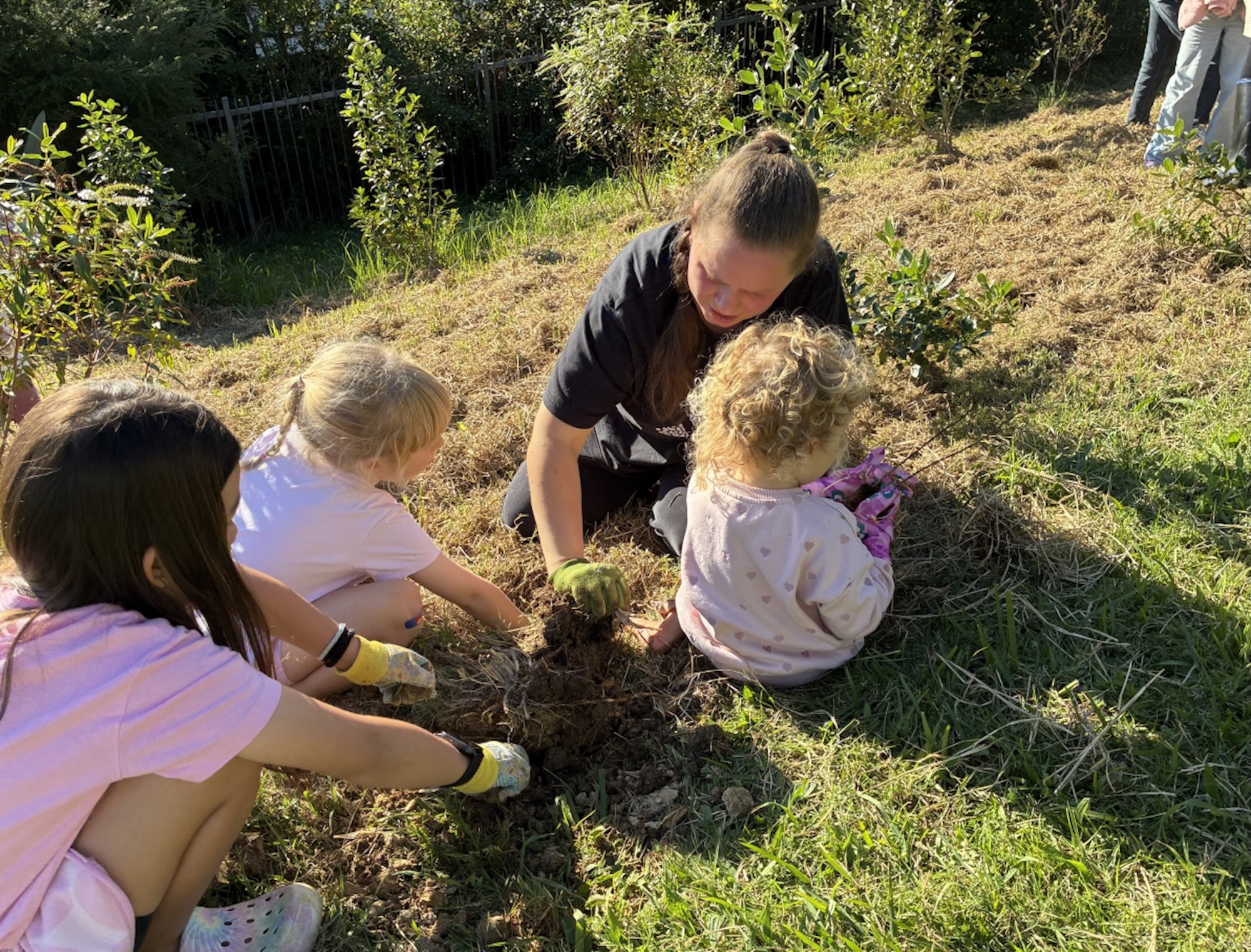
Learning by doing inspires lifelong environmental stewardship.
Projects across the network included:
- Native tree and seed planting
- Creation of rongoā gardens
- Establishment of skink and pollinator habitats
- Riparian and reserve restoration planting
- Seed collection and propagation
- Gifting native plants and seeds to whānau
- Community working bees
- Composting and soil enhancement activities
Many partnerships and collaborations enabled and strengthened the project, including with schools, mana whenua, ecological restoration groups, Bunnings, DOC, Auckland Council Sustainable Schools team, Wai Connection, Kaipātiki EcoHub, and Restore Hibiscus Coast/Bays.
From Parakai Kindergarten’s gifting of 100 self-seeded kōhūhū plants to whānau, to Mahurangi Kindergarten’s planting of more than 200 native trees at Scandretts Reserve, each project reflected local needs while contributing to a shared vision of environmental restoration. Stanmore Bay Kindergarten planted 91 native wetland and riparian species along a stream corridor at D’Oyly Reserve, while Taiaotea Kindergarten partnered with local schools to plant native species that tamariki will continue to connect with as they transition into primary education.
Growing Biodiversity and Climate Resilience
The project delivered significant environmental outcomes across participating communities. Native vegetation cover increased, stream corridors were restored, habitats were created for native wildlife, and biodiversity was enhanced through the planting of locally appropriate native species.
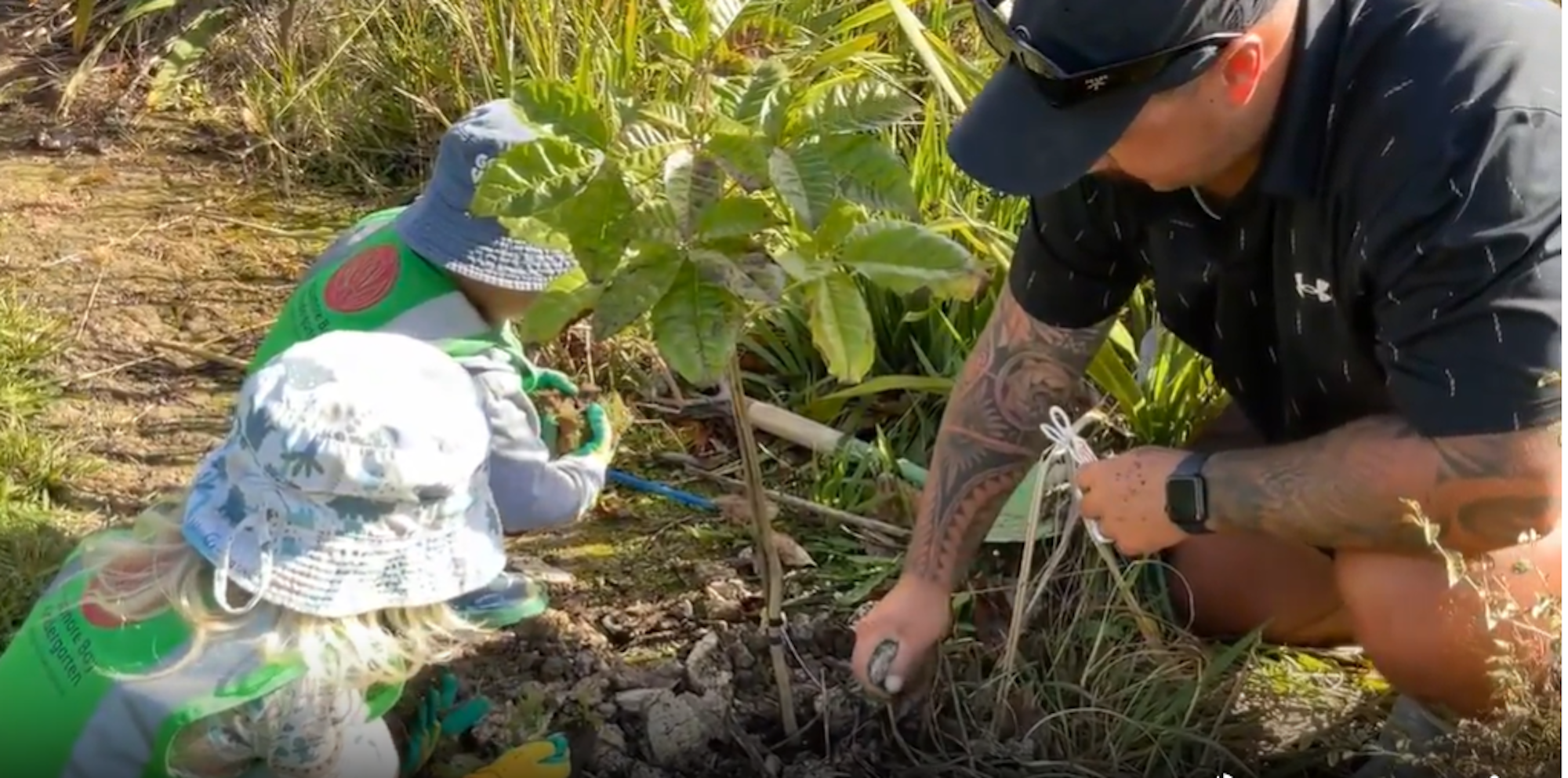
Every plant in the ground is an investment in the future.
Highlights included:
- More than 1,000 native trees and plants established (including kānuka, kawakawa, pūriri, tōtara, kahikatea, kōhūhū, mingimingi and many more native species).
- More than 100 seeds planted or gifted.
- New skink habitats, butterfly gardens, and pollinator spaces.
- Riparian restoration planting near local waterways.
- Increased biodiversity through the replacement of exotic species with natives.
- Strengthened ecological resilience across kindergarten and community sites.
The benefits of these plantings will continue well into the future. Based on native tree carbon modelling, the 1,105 native trees and plants established through the project have the potential to sequester approximately 243 tonnes of carbon dioxide over the next 50 years, while also improving freshwater health, reducing erosion, and supporting native wildlife.
Honouring Te Ao Māori
A key strength of the project was its grounding in te ao Māori and the principle of kaitiakitanga. Supported by the Kaitiaki Kindergartens Pou Ahurea and Enviroschools facilitation, tamariki engaged with mātauranga Māori through waiata, karakia, whakataukī, local stories, and meaningful relationships with mana whenua.
Throughout the project, tamariki explored concepts including “E Tipu e Rea”, the action waiata “Te Tipuranga o te Rākau”, and the whakataukī “Kotahi kākano, nāna i tipu ko te wao tapu nui a Tāne”, strengthening their understanding of growth, belonging, and their role as kaitiaki of the natural world.
Their engagement with iwi partners Te Kawerau ā Maki, Ngāti Manuhiri, and Ngāti Whātua Ōrākei Pourewa Nursery strengthened learning and helped tamariki understand the connections between people, place, and the natural world. Through these relationships, tamariki learned that mana whenua are the kaitiaki of their people and the whenua, and that caring for local ecosystems is a shared responsibility that benefits future generations. One special partnership saw Te Kawerau ā Maki gift three young kauri trees to Taiaotea Kindergarten. Tamariki will nurture these trees before they are returned to the ngahere in the future, creating an ongoing relationship between the kindergarten, mana whenua, and the forest.
The project also supported Māori environmental and economic initiatives through the sourcing of native plants from Ngāti Whātua Ōrākei Pourewa Nursery, enabling kindergartens to access local ecological knowledge and indigenous planting expertise while supporting Māori-led environmental enterprises.
During Matariki, participation in the Kaipātiki Project’s Gift a Tree programme saw 50 native trees gifted across the kindergarten network. The gifting of trees symbolised growth, remembrance, and our collective responsibility to nurture both people and the environment, creating a living legacy for future generations.
The Enviroschools Difference
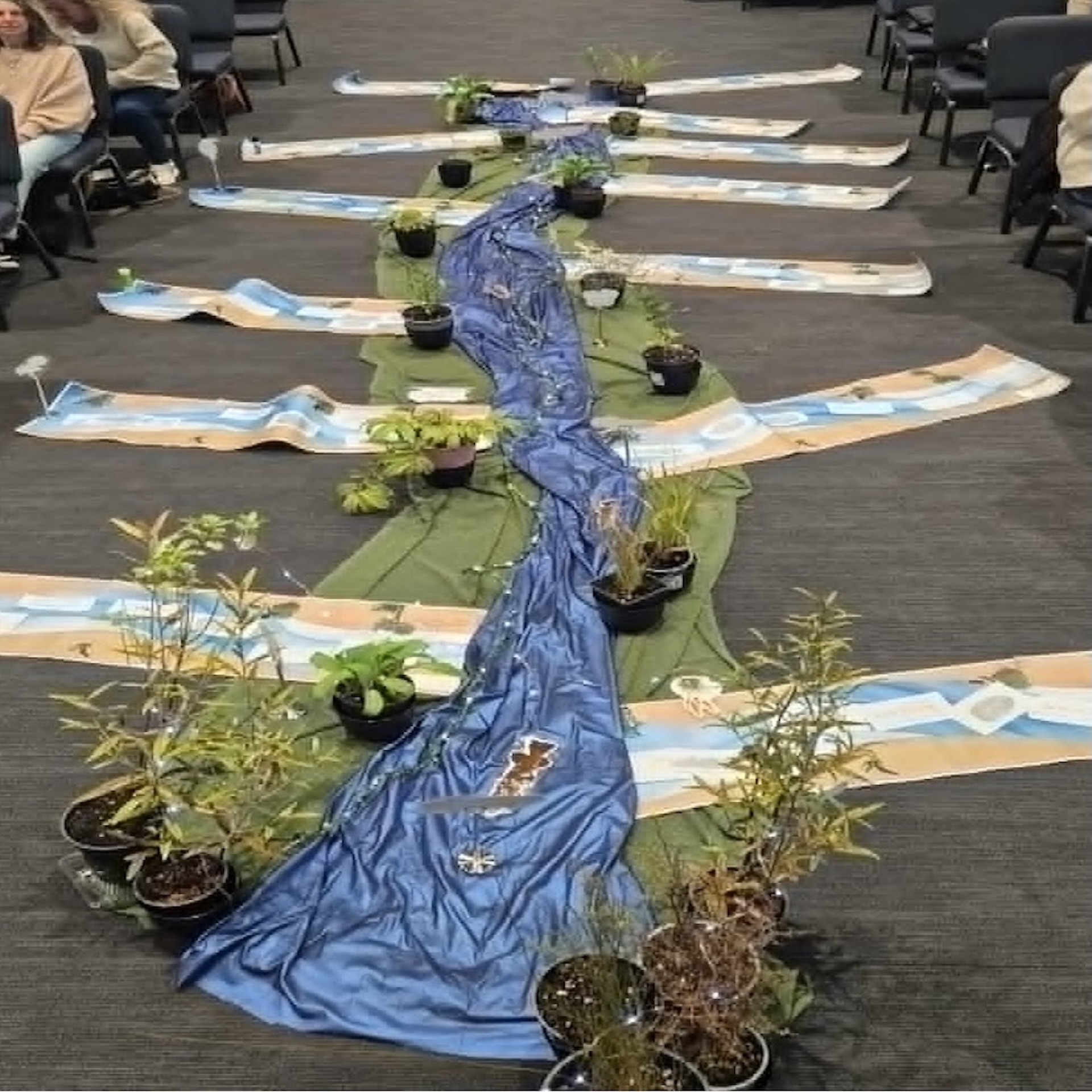
Taking time to pause, reflect, and recognise the collective impact of our environmental actions.
The Enviroschools Kaupapa provided the framework that supported meaningful and lasting environmental action. Through the Enviroschools Action Learning Cycle, tamariki investigated their environments, explored possibilities for change, took action through planting and restoration, and reflected on the impact of their work.
At an all-staff hui, teams undertook a holistic reflection process, celebrating successes, identifying challenges, and considering future opportunities. This reflection highlighted the power of tamariki-led learning, strengthened relationships with whānau and community partners, and reinforced a shared commitment to caring for Papatūānuku.
The project demonstrated how environmental learning can move beyond one-off activities and become a long-term commitment to stewardship, restoration, and community wellbeing.
We really valued the grant and Enviroschools support that made this possible and I want to make a special thank you to Pandy who led this project from her heart, empowering those around her and strengthening partnerships across the region. Pandy lives out manaakitanga and the Enviroschools Kaupapa in all that she does and enthuses those around her – Tara Solomon, Chief Executive
The Power of Community
The project engaged 1,323 participants, including 806 tamariki and 517 adults, and involved partnerships with more than 20 organisations, schools, iwi groups, environmental organisations, businesses, and community volunteers.
Whānau feedback reflected the lasting impact of the kaupapa:
“Ari had a great time and enthusiastically told the rest of the whānau about his day. He’s keen to get into the garden at home too.”
“The general theme of her songs and chatter was kindness to everyone, love and Papatūānuku. She really resonated with all the laerning that happened.”
“Thank you so much for organising today – it was such a lovely morning, it really filled my bucket. I couldn’t really afford the time of work today but it was really lovely to slow down and spend some quality time with my son in the sunshine doing something worthwhile.”
“It was fantastic to be part of it with my child and to see all the kids so engaged, excited, and learning through such a meaningful hands-on activity.”
These reflections show how environmental action inspired not only tamariki, but also families and communities to connect more deeply with nature and take positive action at home.
Looking Ahead
The success of Ngā Rākau o te Ngākau | Trees of the Heart demonstrates the power of collective action. By bringing together tamariki, whānau, mana whenua, schools, environmental organisations, and local communities, Kaitiaki Kindergartens created lasting environmental change while nurturing a generation of confident kaitiaki.
From a single seed to more than 1,100 native trees and plants, this project shows what is possible when learning, partnership, and action come together in service of people and planet.
We are also proud that this work has received international recognition through Kaitiaki Kindergartens being selected as a HundrED Spotlight for Planetary Health Education, celebrating the collective efforts of tamariki, whānau, kaiako, mana whenua, and community partners in creating positive environmental change.
As we continue to nurture realtionships with people, place and the natural world, this kaupapa reminds us that every seed planted, every habitat restored, and every child empowered to care for the environment contributes to a healthier future for all.
Ka ako, ka tipu, ka puāwai ngātahi
Learning, growing, thriving together
 Print
Print