Rongomatãne
Cultivated foods e.g. kümara, hue & the arts of peace
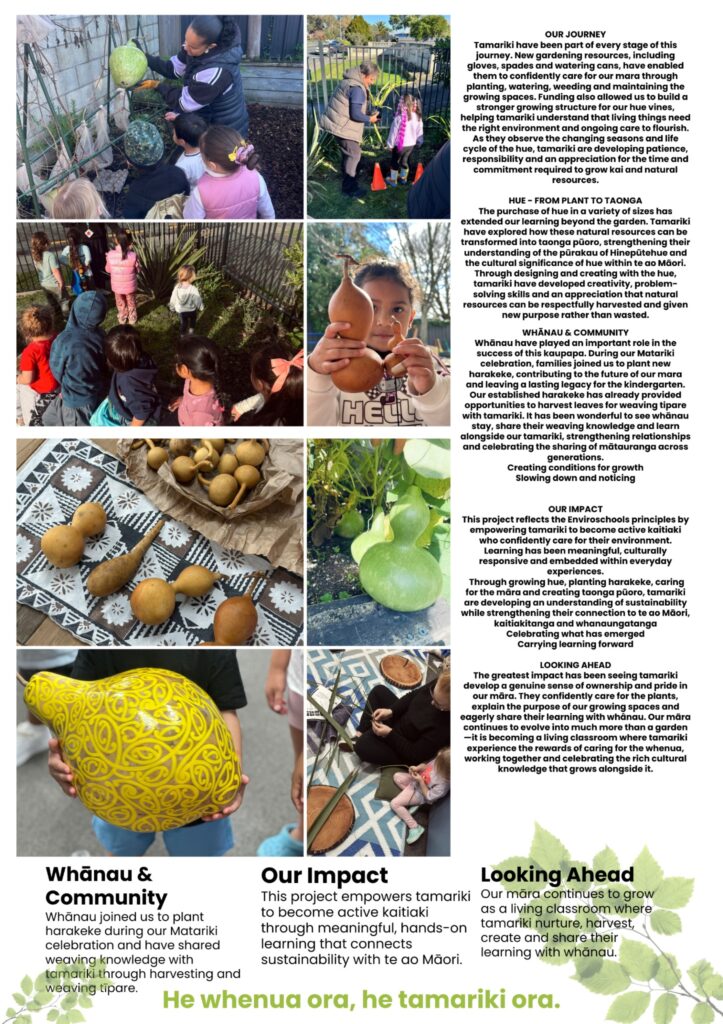
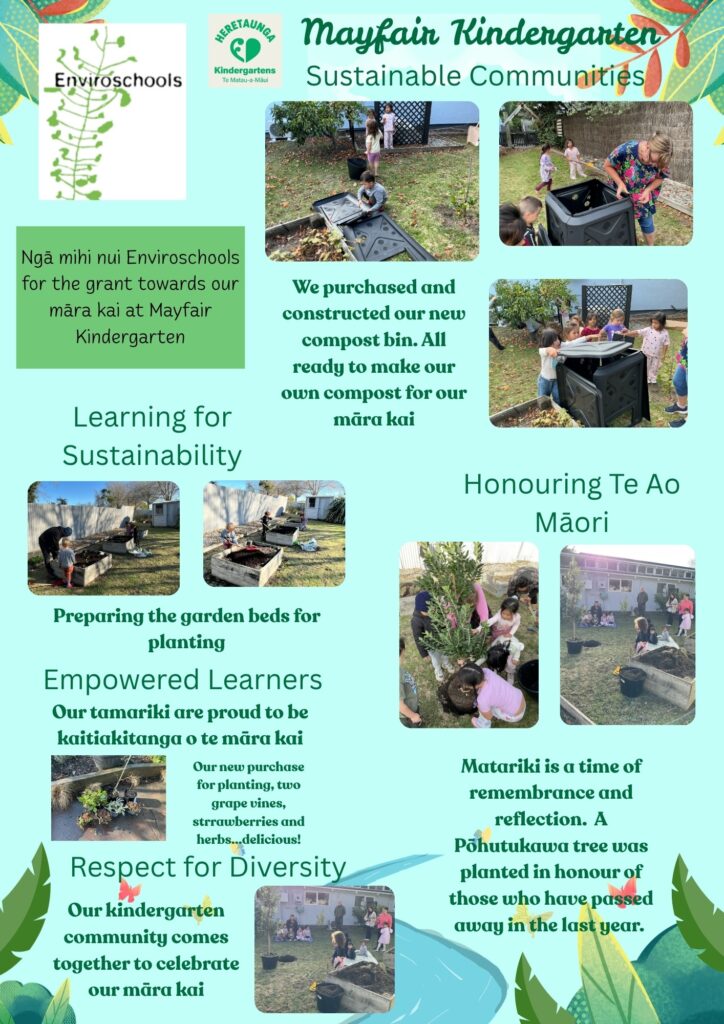
Hua Whenua Tūhono, Connection through the Fruits of the Land, brought together Heretaunga and Napier Kindergarten Associations in a shared commitment to growing sustainable māra kai, strengthening environmental learning, and nurturing tamariki as kaitiaki of the future. Across 32 kindergartens stretching from Wairoa to Waipawa, communities embraced the opportunity to create meaningful environmental change that reflected the unique needs, aspirations, and strengths of their local places. Stretching across urban, rural, coastal, and inland communities, the project connected people through a shared commitment to growing kai, caring for the environment, and strengthening community connections.
Thanks to funding from Toimata Foundation, made possible through their partnership with the Ministry for the Environment, Hua Whenua Tūhono grew from an idea into action. Across Heretaunga and Napier, kindergarten communities were able to strengthen connections with the whenua through projects that nurtured māra kai, conserved water, enhanced biodiversity, reduced waste, and created opportunities for tamariki and whānau to learn together. The funding provided the catalyst, but it was the commitment of tamariki, kaiako, whānau, and communities that brought the kaupapa to life.
Together, the two associations engaged more than 1,200 tamariki and thousands of whānau in environmental action. While every kindergarten’s journey looked different, all were united by the values of kaitiakitanga, manaakitanga, whanaungatanga, and a belief that tamariki learn best through authentic experiences that connect them with the land, water, food systems, and communities around them.
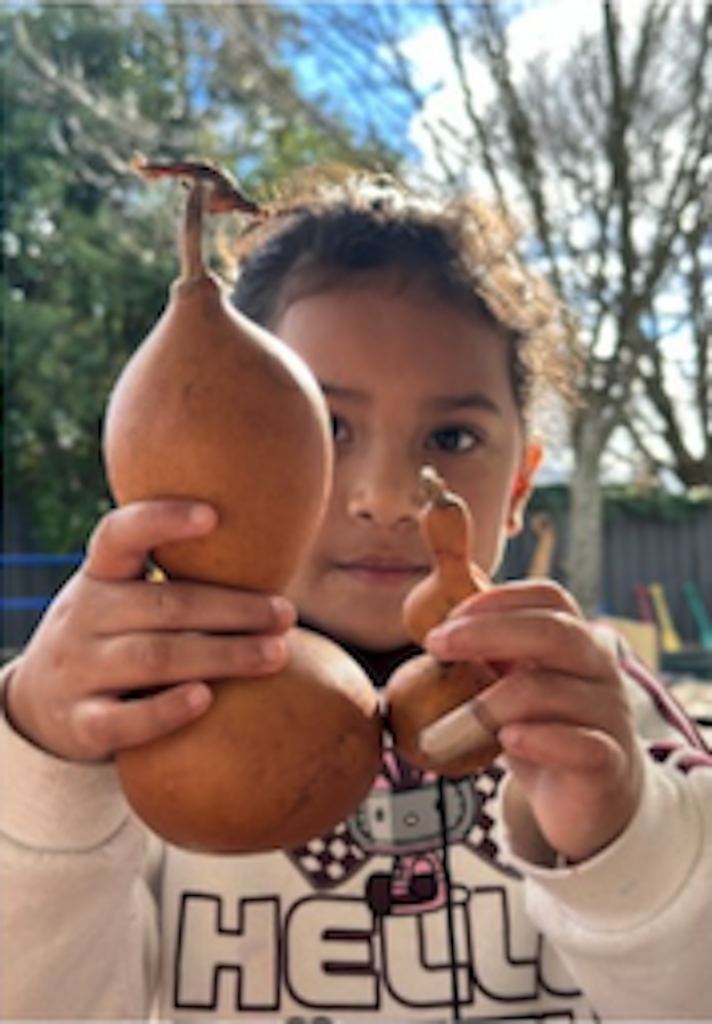
Across Napier and Heretaunga, communities revitalised māra kai, planted fruit trees and native species, developed orchards and food forests, established rainwater collection systems, strengthened composting and worm farming practices, created habitats for birds and insects, cared for heihei, and found new ways to share kai and resources with others. What emerged was far more than a collection of environmental projects. These became living spaces where tamariki could explore, question, discover, and develop a deeper connection with the natural world. The photo gallery at the end of this story shares more of the great action that has taken place across the region.
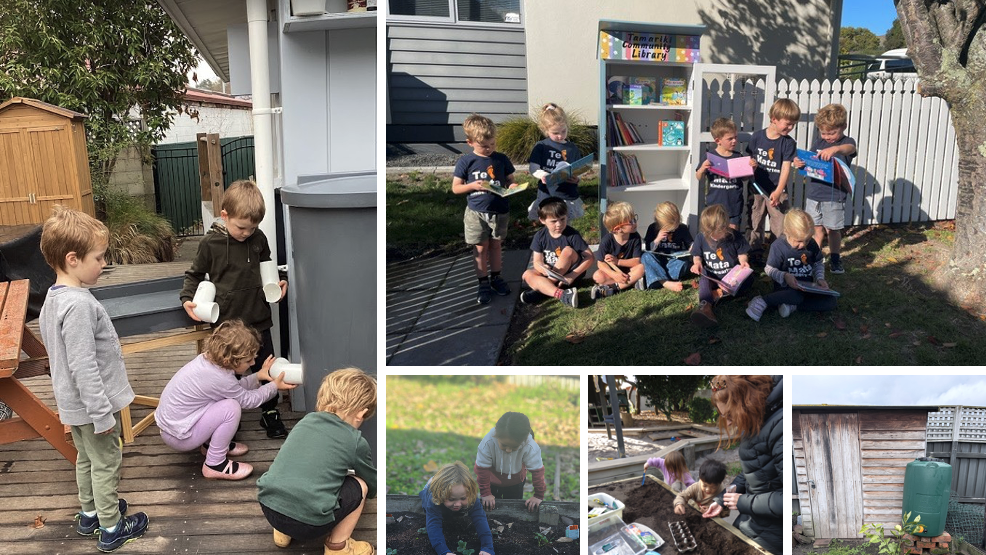
Snapshot of just some of the projects tamariki were involved in as part of Hua Whenua Tūhono
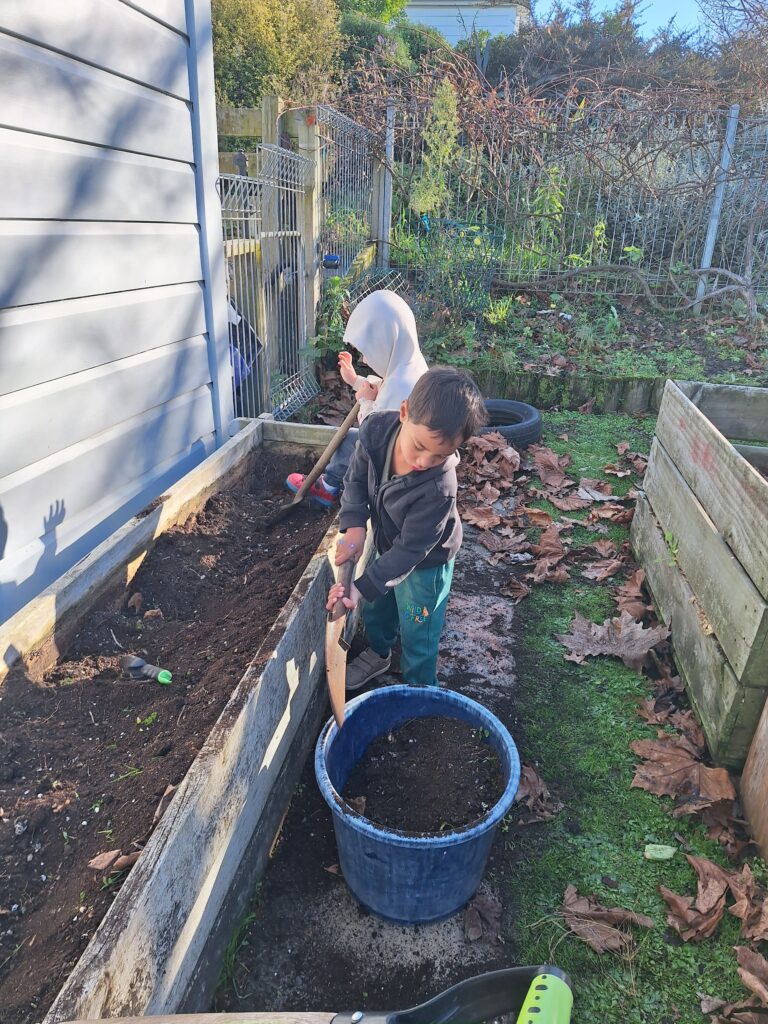
Through hands-on experiences, tamariki grew kai from seed to harvest, cared for plants and animals, collected rainwater, built healthy soils, observed seasonal change, and learned first-hand about the interconnectedness of living systems. They experienced the relationship between wai, whenua, food production, biodiversity, and community wellbeing. Sustainability was no longer something to talk about; it became something they could see, touch, nurture, and contribute to every day.
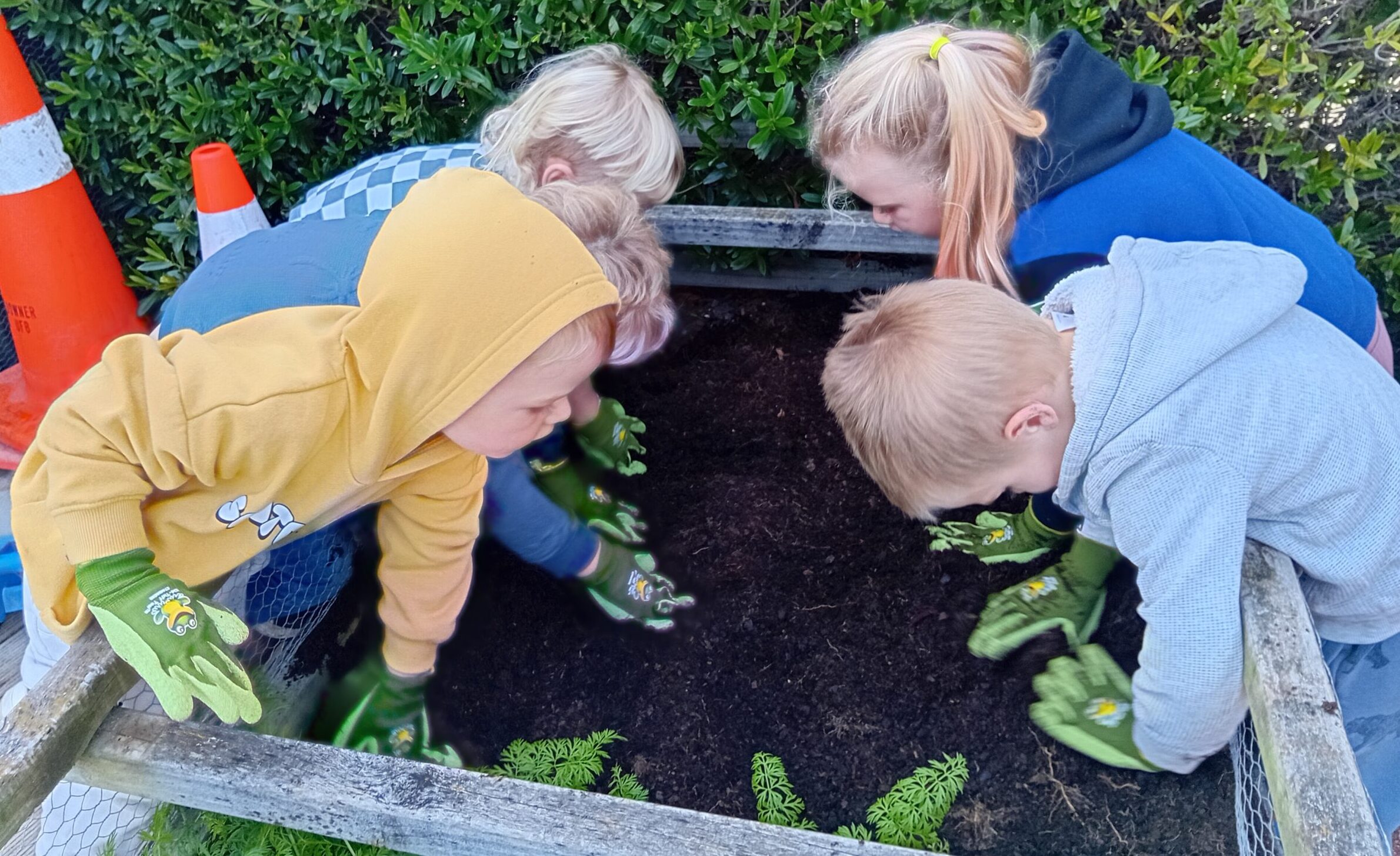
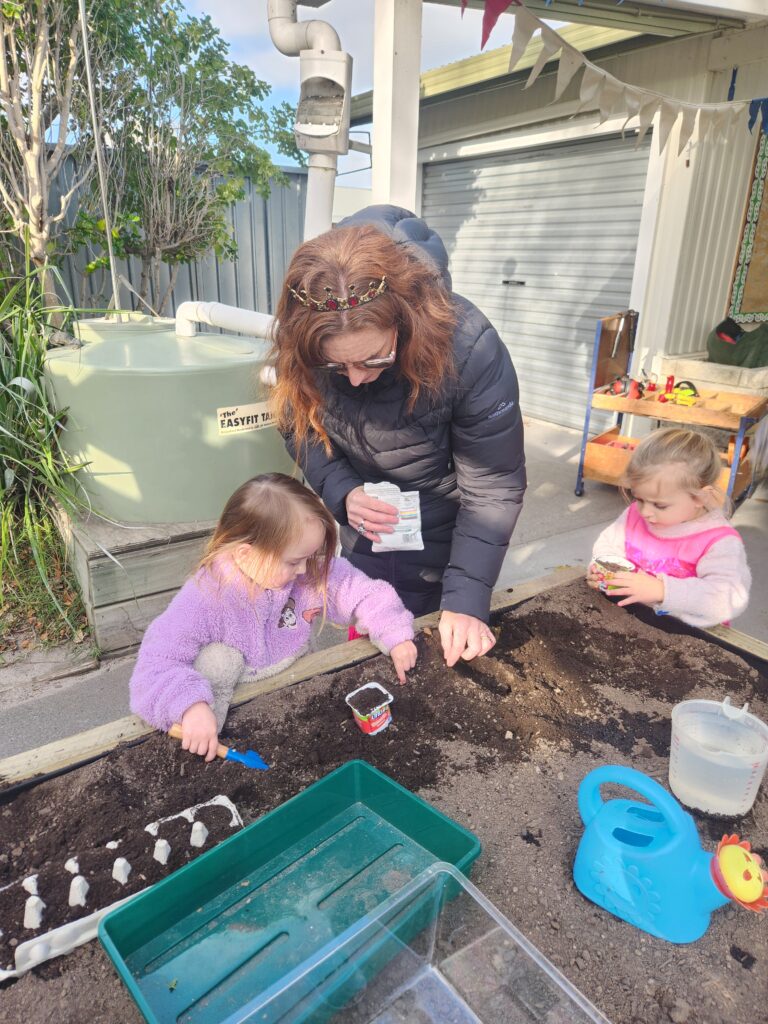
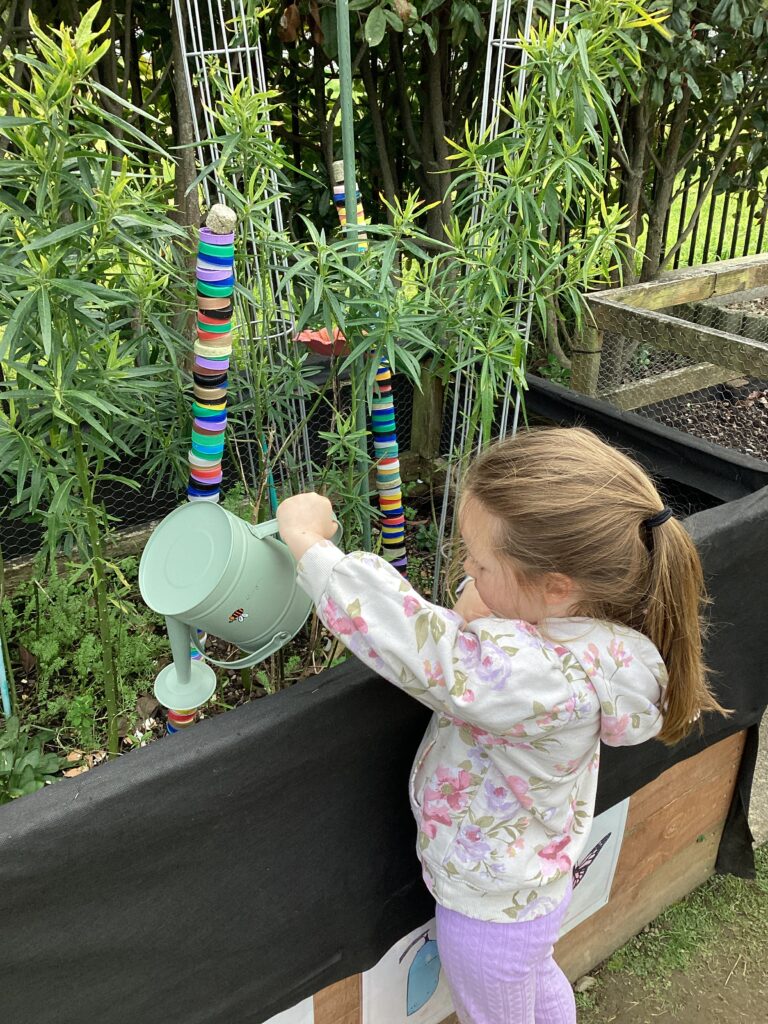
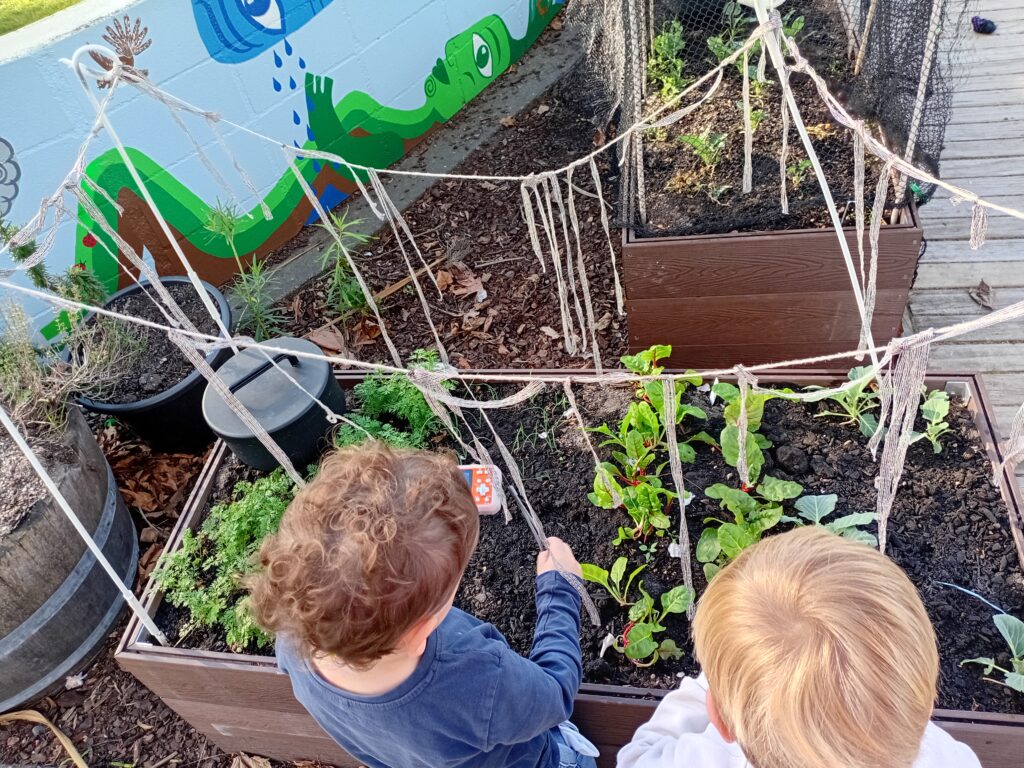
Through caring for garden beds, tamariki at Haumona Kindergarten develop an understanding of kaitiakitanga and the conditions plants need to thrive.
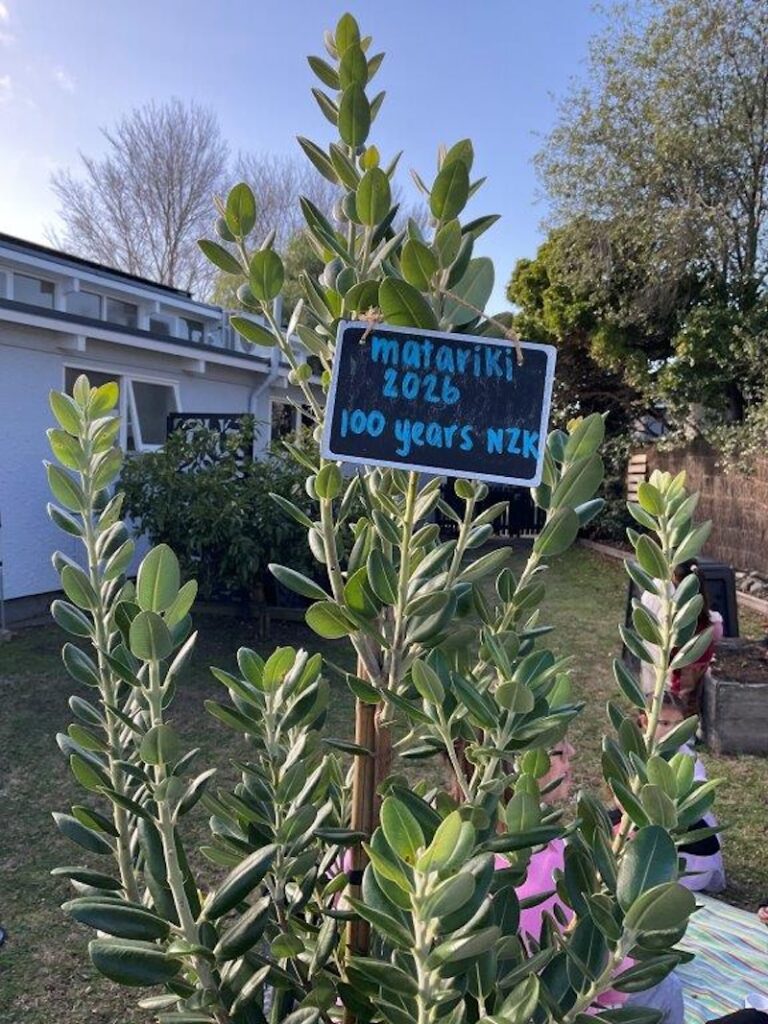
Environmental learning extended well beyond gardens and growing food. Tamariki explored Atua Māori as a way of understanding and caring for te taiao, engaging in rich conversations about nature, identity, culture, and belonging. Through learning about Matariki, Maramataka, Atua, Papatūānuku, and local environments, children developed a deeper appreciation of their connection to the world around them and their role within it. These experiences strengthened their understanding of kaitiakitanga as an everyday practice rather than simply a concept.
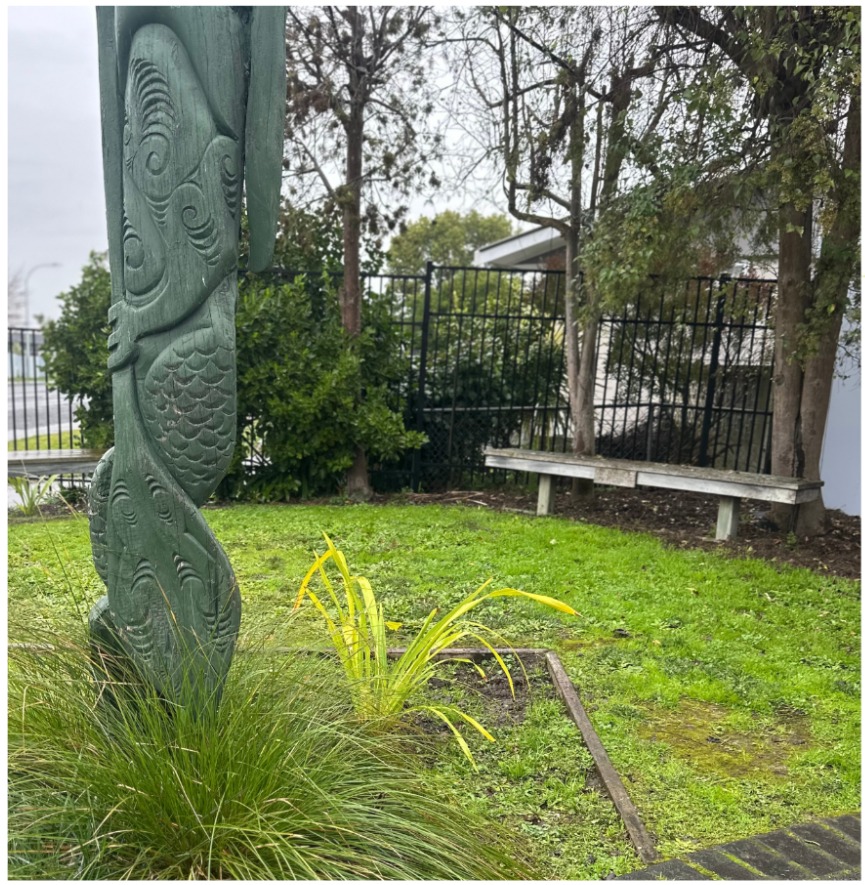
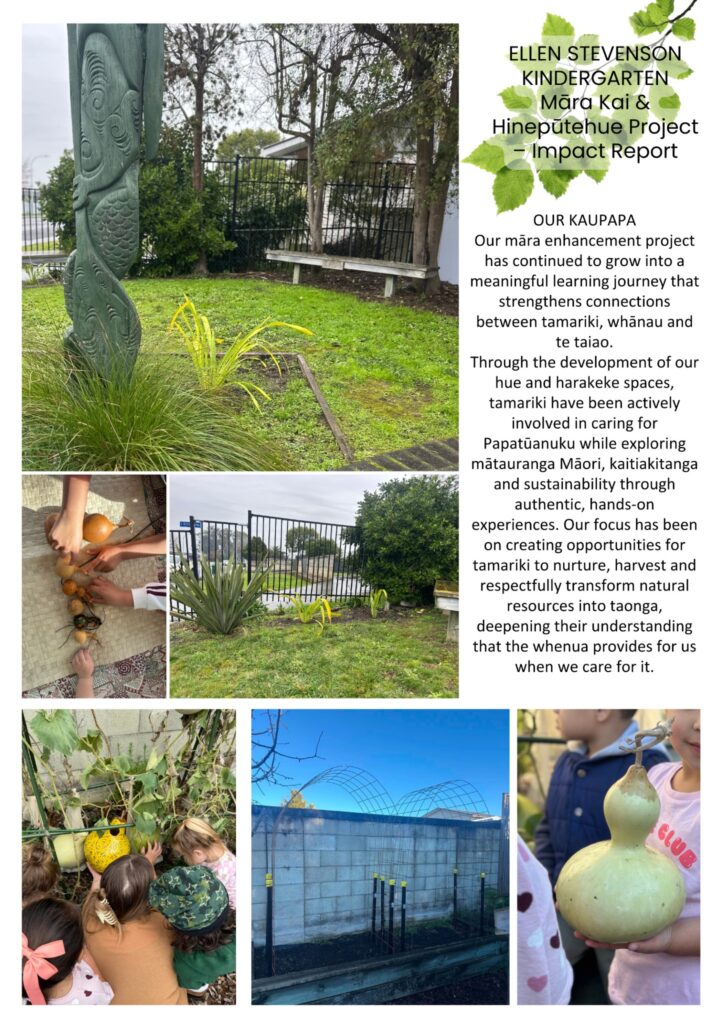
A carved pou at Ellen Stevenson Kindergarten stands proudly besides the māra, reflecting the connection between whenua, culture, and learning.
A significant achievement across both associations was the way environmental improvements became rich learning opportunities. The Enviroschools Kaupapa helped teams move from “buying resources” to creating curriculum-rich environmental change. Gardening tools became opportunities to explore responsibility, rainwater systems became lessons about wai, bird habitats inspired learning about biodiversity, and māra kai became places where tamariki could investigate, nurture, harvest, and share. Through participation in real-world projects, tamariki became active contributors to their environments, learning through inquiry, observation, collaboration, and action. Guided by the Enviroschools Guiding Principles of Empowered Learners, Learning for Sustainability, Honouring Te Ao Māori, Sustainable Communities, and Respect for Diversity, tamariki explored what it means to care for people, places, and living things. Their learning was grounded in local contexts and strengthened through experiences that encouraged curiosity, responsibility, problem-solving, and a growing sense of connection to the world around them.
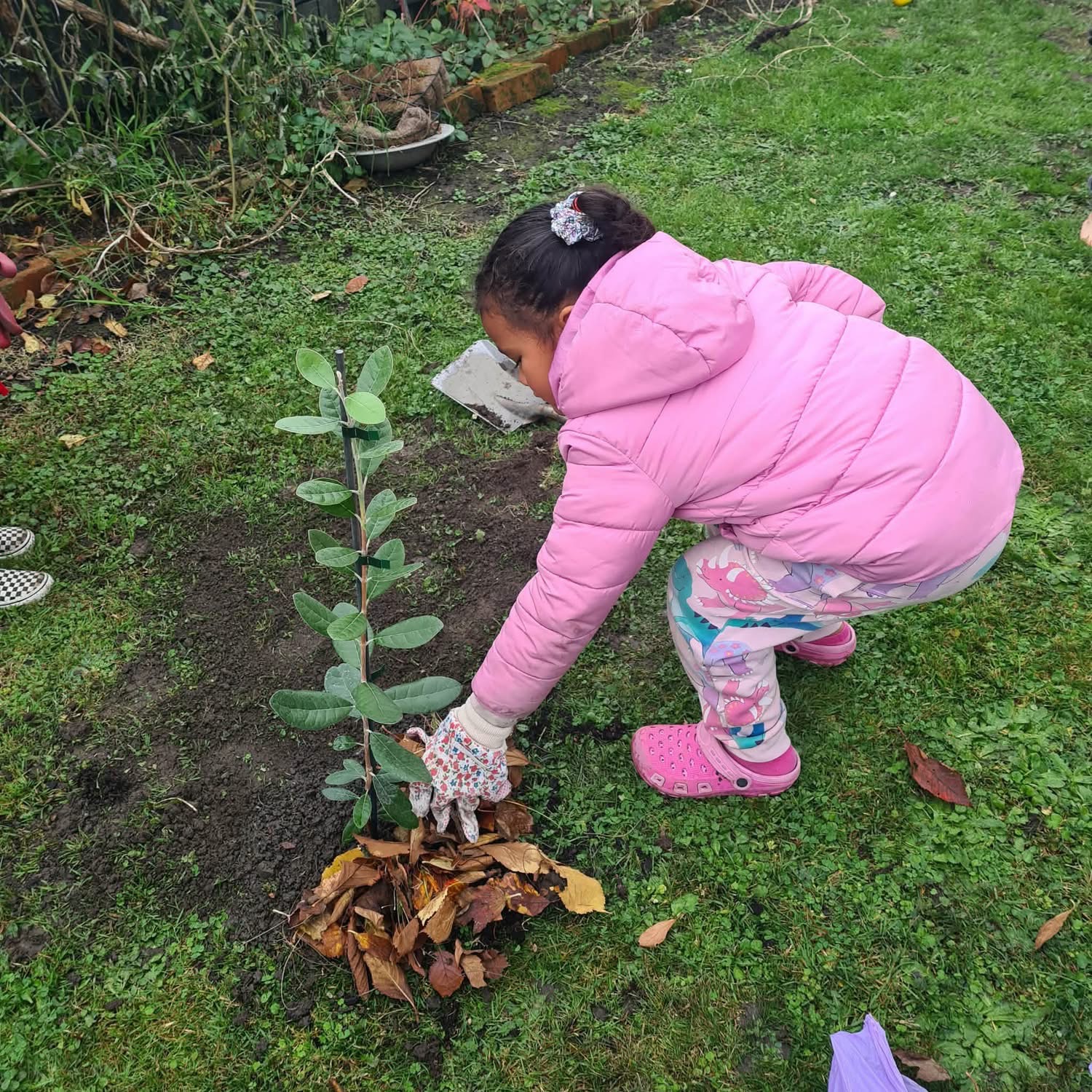
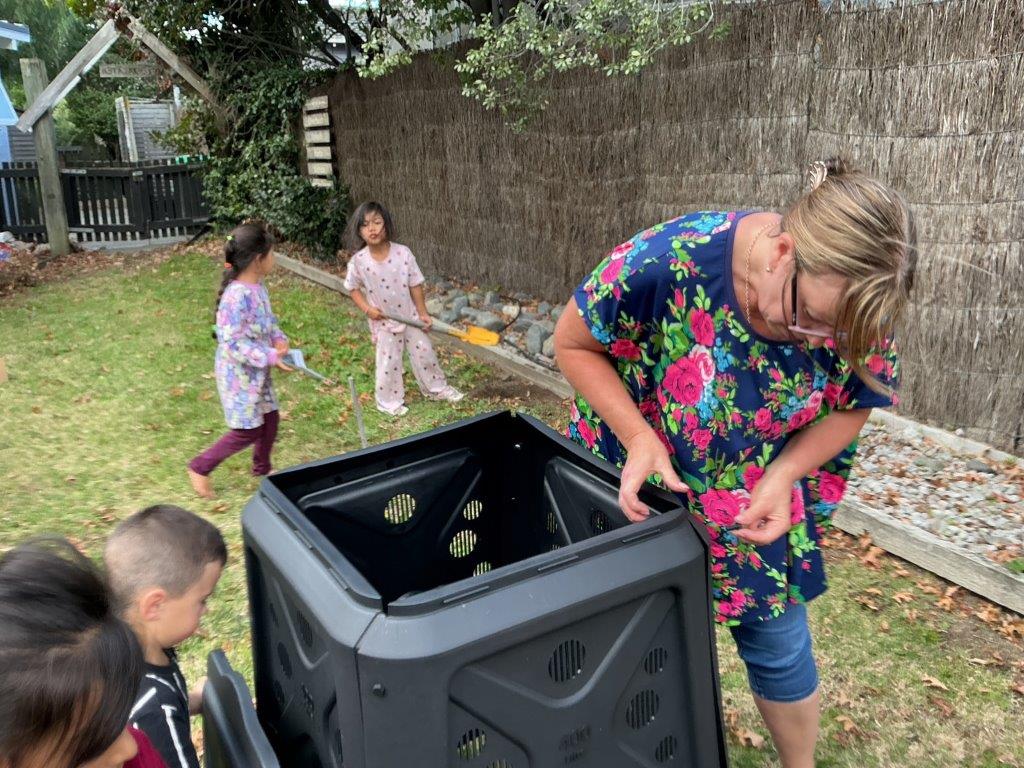
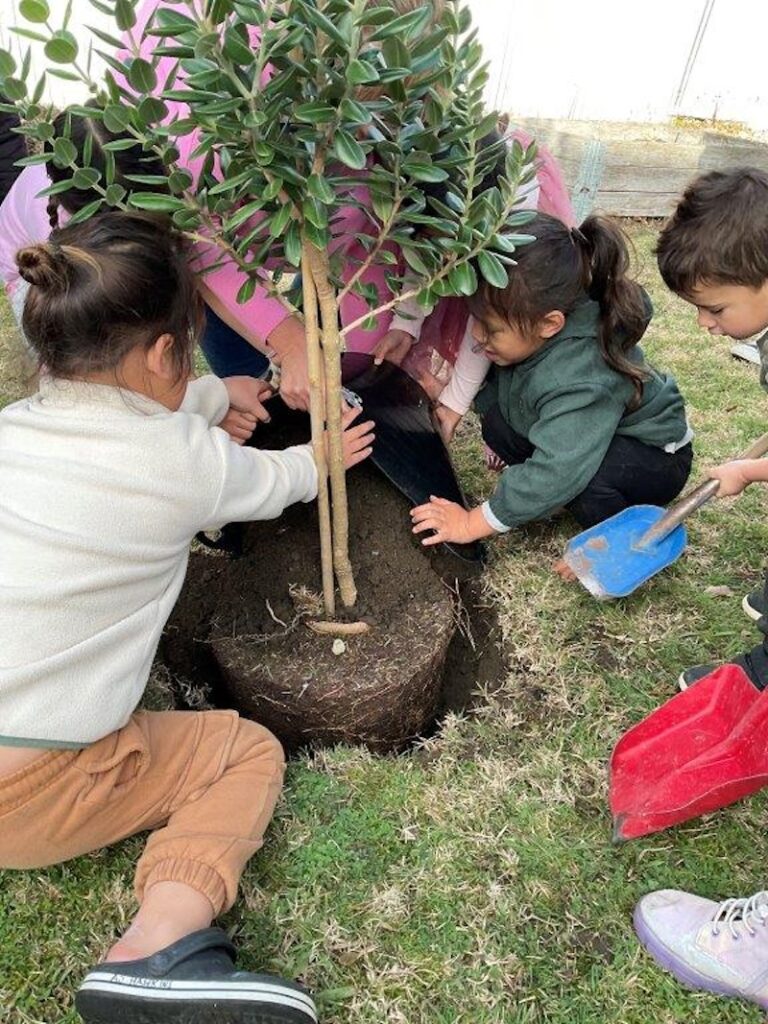
Tamariki at Camberley Kindergarten adding mulch to newly planted trees to retain soil moisture, suppress weeds, and regulate root temperature.
Communities played an important role in bringing the kaupapa to life. Whānau, grandparents, volunteers, neighbours, local businesses, and community experts shared their time, knowledge, skills, and resources. Working bees, shared learning, donations, practical support, and the exchange of local knowledge strengthened relationships and created opportunities for tamariki to learn alongside others. The project demonstrated the power of community-led action and the value of intergenerational learning. (Banner image: Havelock North Central Kindergarten come together for a working bee to install a new rain water tank).
A common thread throughout the project was manaakitanga. Kai, seedlings, plants, eggs, books, resources, and learning were shared with whānau and communities, reinforcing the idea that caring for people and caring for the environemnt go hand in hand. Acts of generosity and connection became just as important as the physical changes taking place within kindergarten environments.
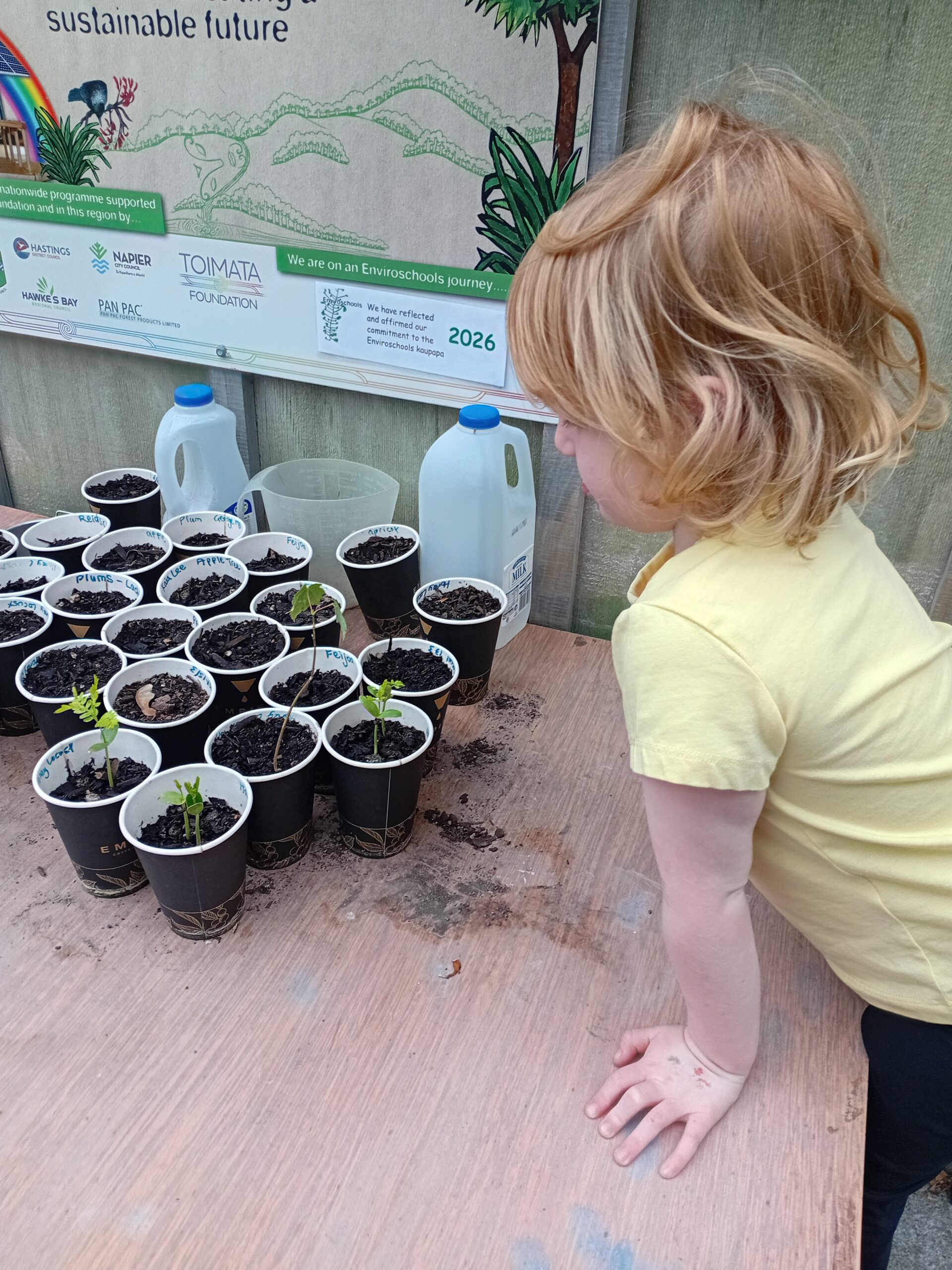
Tamariki at Pirimai Kindergarten monitor seedling growth and learn how plants develop from seed to harvest.
The environmental outcomes were substantial. Gardens were expanded and revitalised, biodiversity enhanced, water conservation systems introduced, waste minimisation practices strengthened, and community food-sharing initiatives flourished. Equally important were the social and educational outcomes. Tamariki developed confidence, curiosity, responsibility, empathy, and a growing understanding that their actions can positively influence the wellbeing of people and place.
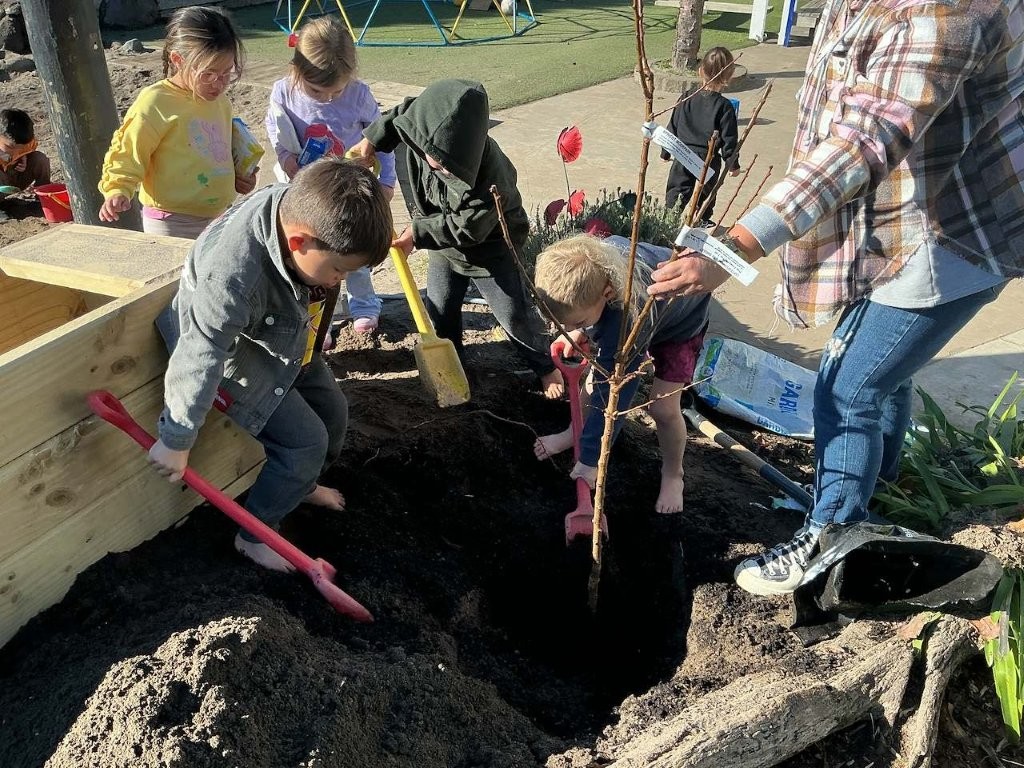
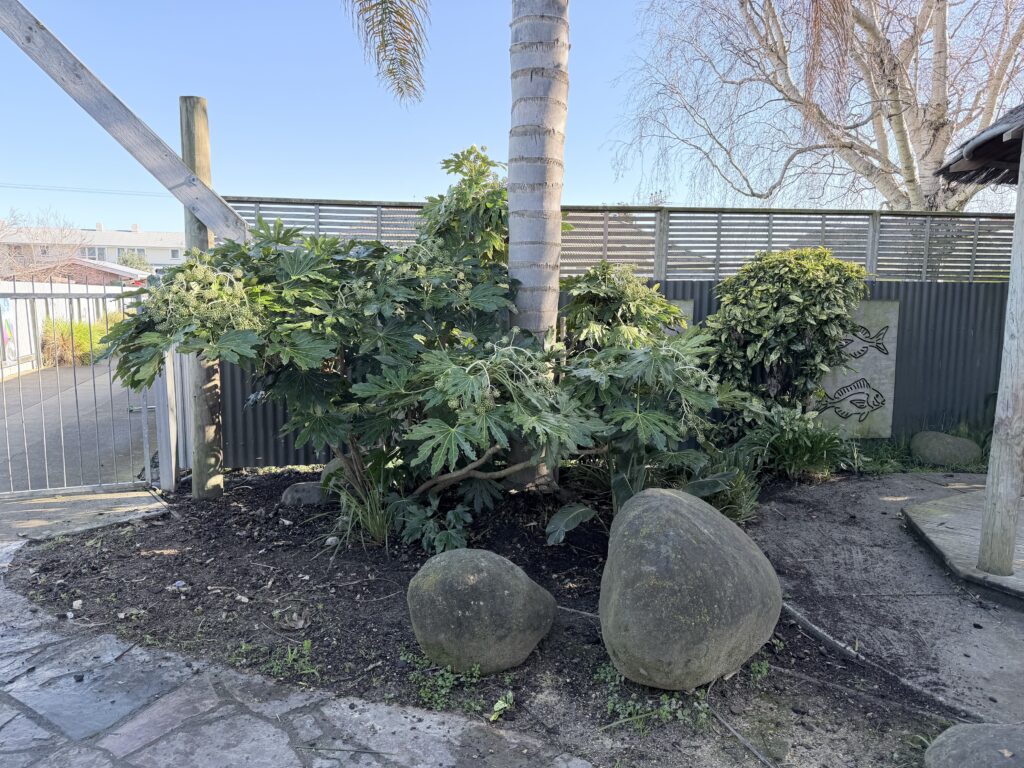
Tamariki at Mahora Kindergarten helping to transform their outside area.
The true success of Hua Whenua Tūhono cannot be measured only in the number of gardens created, trees planted, or litres of water saved. It can be seen in tamariki proudly sharing the vegetables they have grown, caring for birds and heihei, learning about atua and the natural world, and working alongside whānau and community members towards a common goal. Across Napier and Heretaunga, tamariki discovered that every seed planted, every bucket of rainwater collected, every worm fed, every bird welcomed, and every harvest shared contributes to the wellbeing of people and place. They experienced how wai sustains life, how healthy landscapes support communities, and how caring for the environment is an everyday expression of kaitiakitanga.
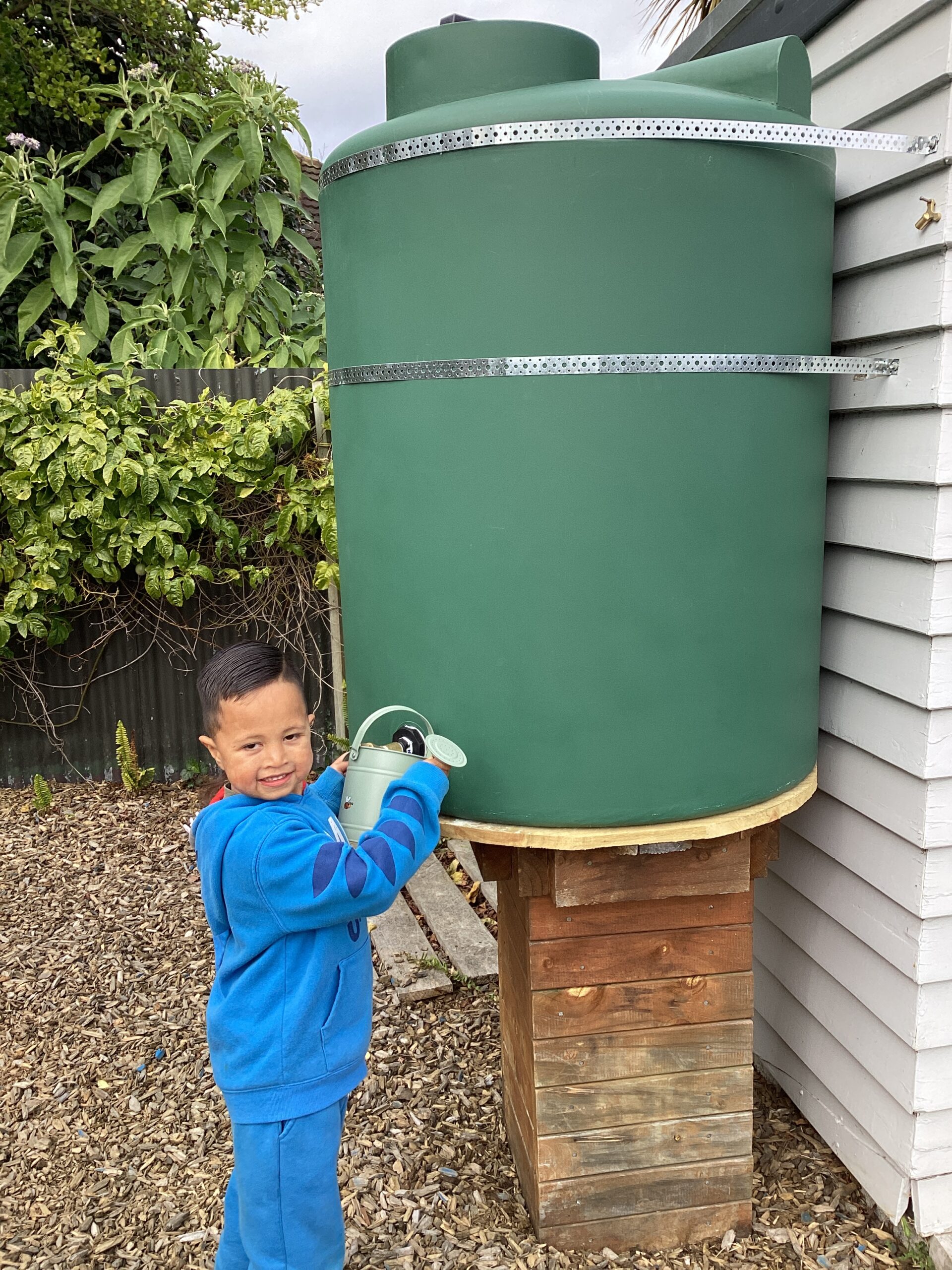
Tamariki at Mary Richmond Kindergarten learn conservation through a rainwater harvesting system that supports the māra.
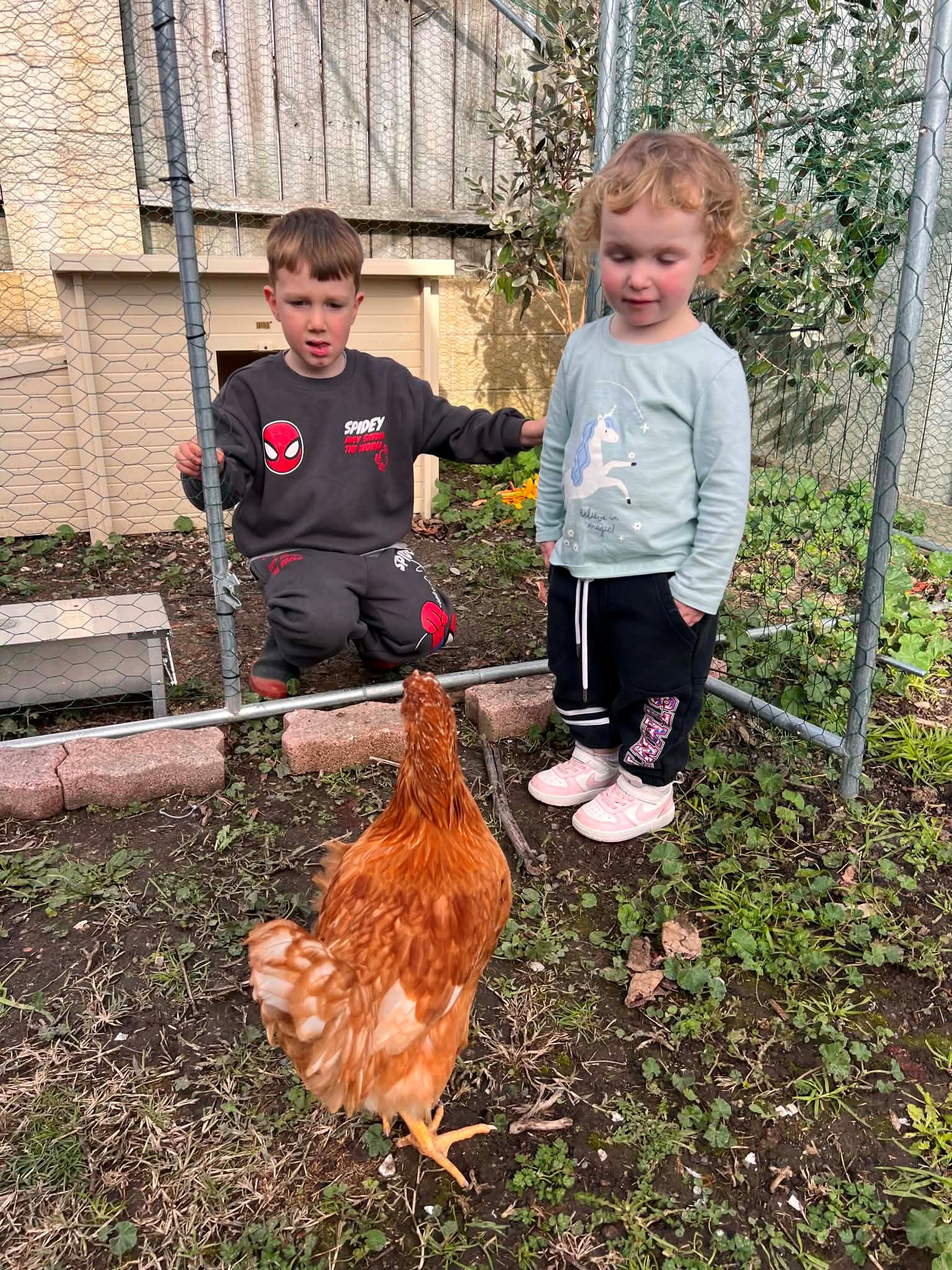
Parkvale Kindergaten tamariki enjoy caring for heihei
Through Hua Whenua Tūhono, connection through the fruits of the land became much more than growing food. It became a way of connecting tamariki to whenua, whānau to community, learning to action, and people to the living systems that sustain us all. The gardens, orchards, rainwater systems, bird habitats, pātaka kai, food forests, and thriving māra kai will continue to flourish, but the most enduring harvest is a generation of tamariki growing up knowing they have a role to play as kaitiaki of their world.
 Print
Print