Weaving together the voices of the Wharemauku awa with a team of haukainga taiao practitioners, environmental educators and the community, AWE: te mauri o Wharemauku was a series of four seasonal workshops that provided a unique curriculum experience for educators within the Kapiti rohe.
Our emphasis was on being outside and in relation to the taiao helping to develop connections to the Wharemauku awa and to see ourselves as part of them too. Time in nature positively impacts our hauora at a personal and collective level. Strong nature connections are required to act in ways that benefit the Earth. AWE was purposefully planned as an experiential seasonal series of workshops grounded in place.
The AWE kaupapa was co-designed and facilitated by Sharlene Maoate-Davis, Haukainga Taiao Pouako, Sarah Hopkinson, Curriculum Curator and Amanda Dobson, Enviroschools Community Facilitator, with funding support from Kapiti Coast District Council and Greater Wellington Regional Council.
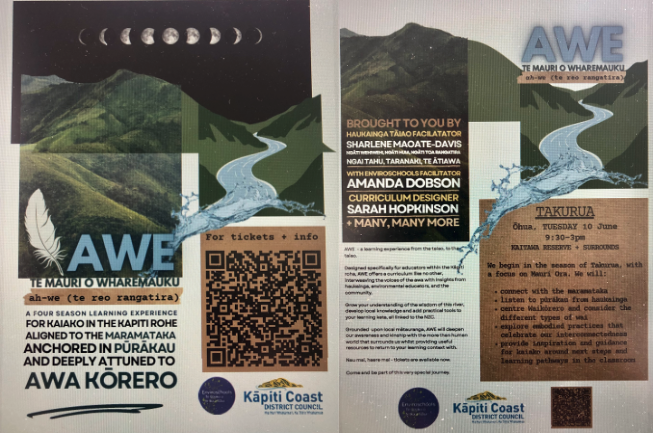
Beginning in the season of Takurua/Winter,Pipiri/ June 2025, 23 participants included 18 kaiako – ECE, primary, secondary and community based practitioners; 2 rangatahi Year 13’s from Kapiti College and 3 iwi haukainga of Te Ātiawa ki Whakarongotai Taiao Kaimahi.
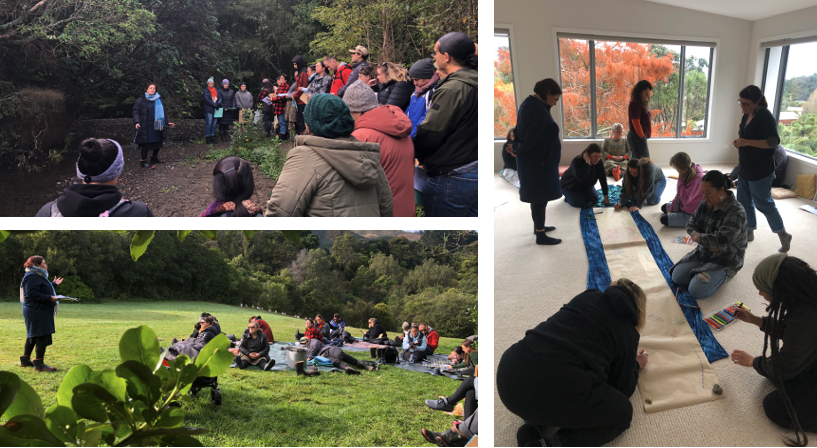
Top left: Starting our day alongside the Wharemauku awa; Bottom left: listening to iwi pūrākau and whakapapa kōrero of this place; Right: ending the day with writing aspirations for the mauri of Wharemauku awa.
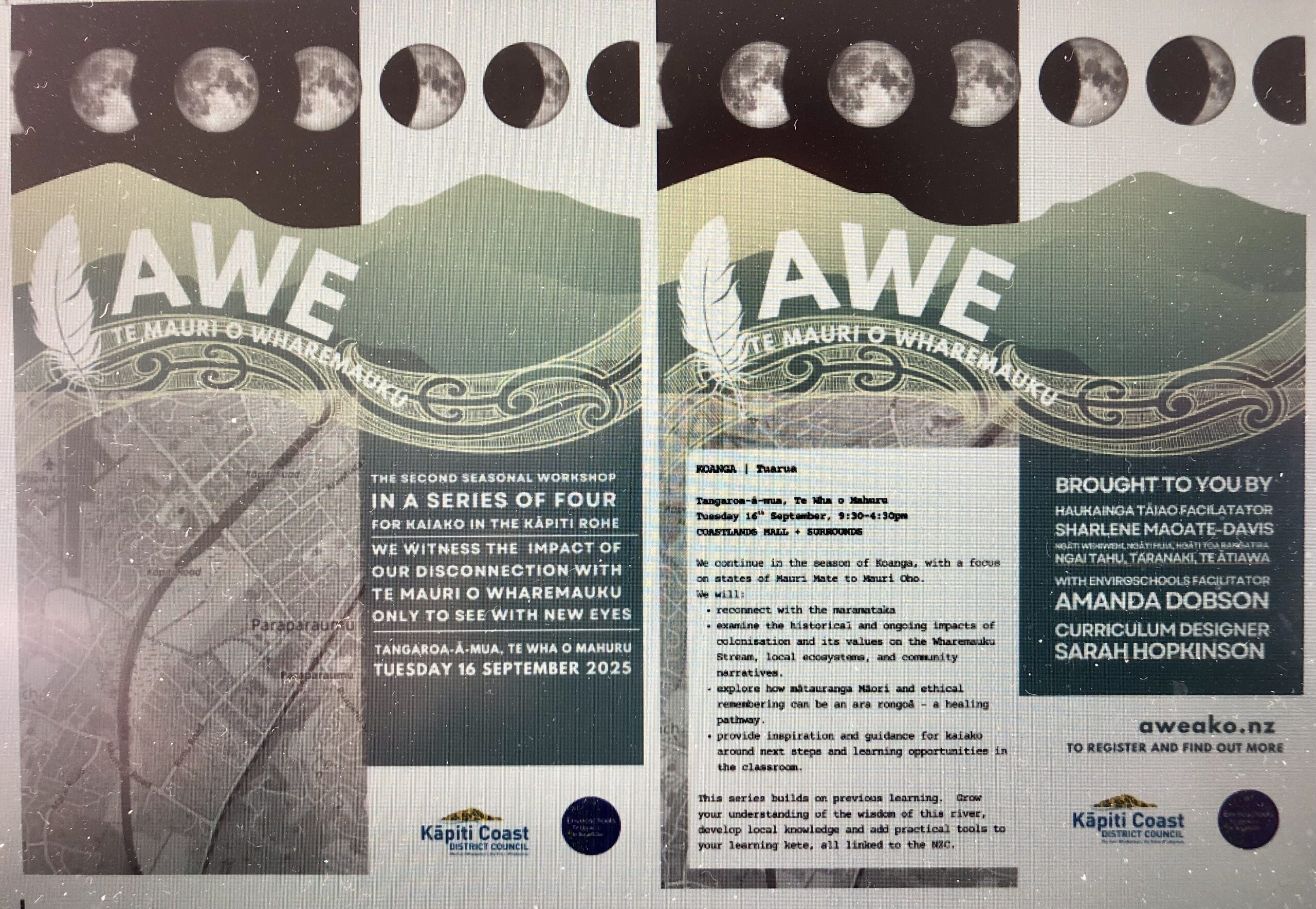
In the season of Koānga/Spring, Mahuru/September 2025, 20 participants included 15 Kaiako – ECE, primary, secondary & community-based practitioners, 1 rangatahi Yr 13 from Kapiti College and 4 iwi Taiao Kaimahi of Te Ātiawa ki Whakarongotai.
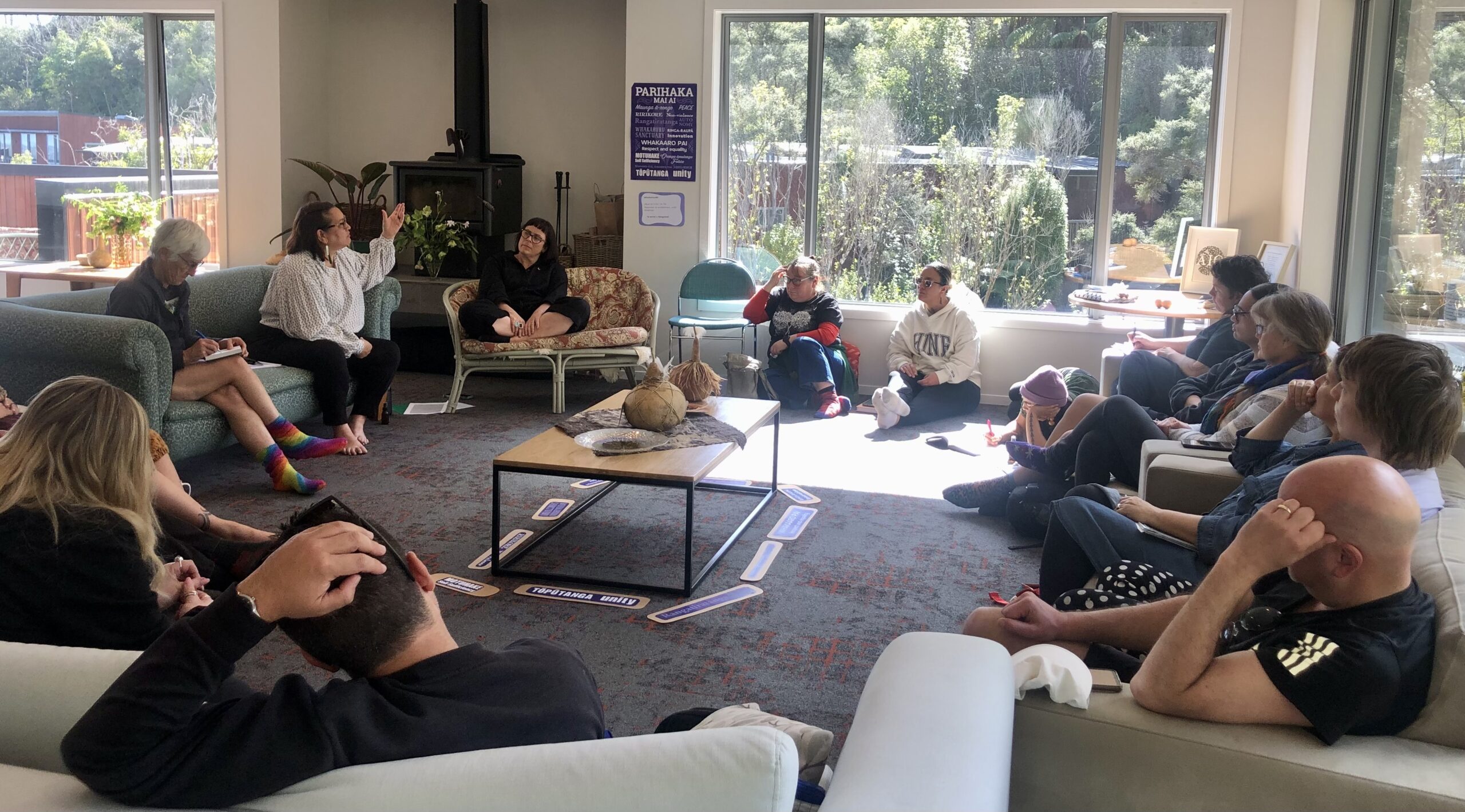
Sharlene Maoate-Davis shares insight into the Parihaka Mai ai Values as mātauranga Māori reference with whakapapa and historical connections for Taranaki and locally based iwi.
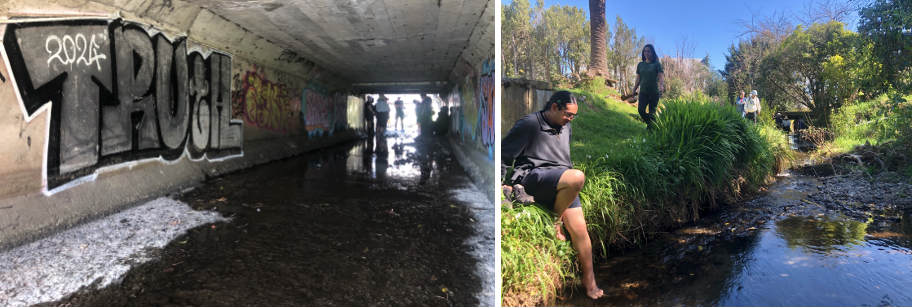
Observing the awa and its mauri where it’s been built around at the Paraparaumu CBD, under a main road and railway tracks, with all associated sensory impacts, before walking back up the catchment through the awa to the reserve, noticing the shifts in mauri along the way.
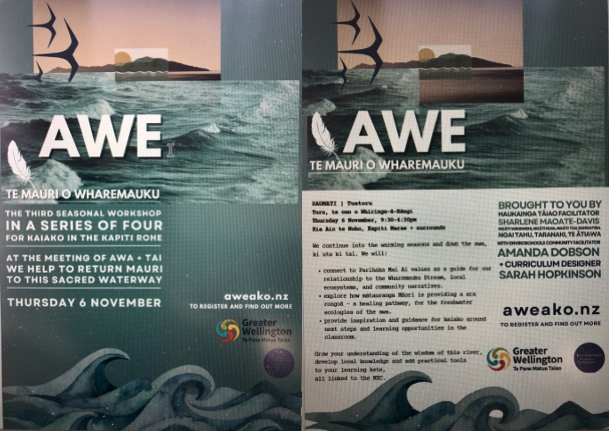
In the season of Raumati/Summer, Whiringa ā rangi/ November 2025, 23 participants included 12 Kaiako – ECE, primary, secondary & community- based practitioners, 7 rangatahi from Kapiti College and 4 Iwi Taiao Kaimahi.
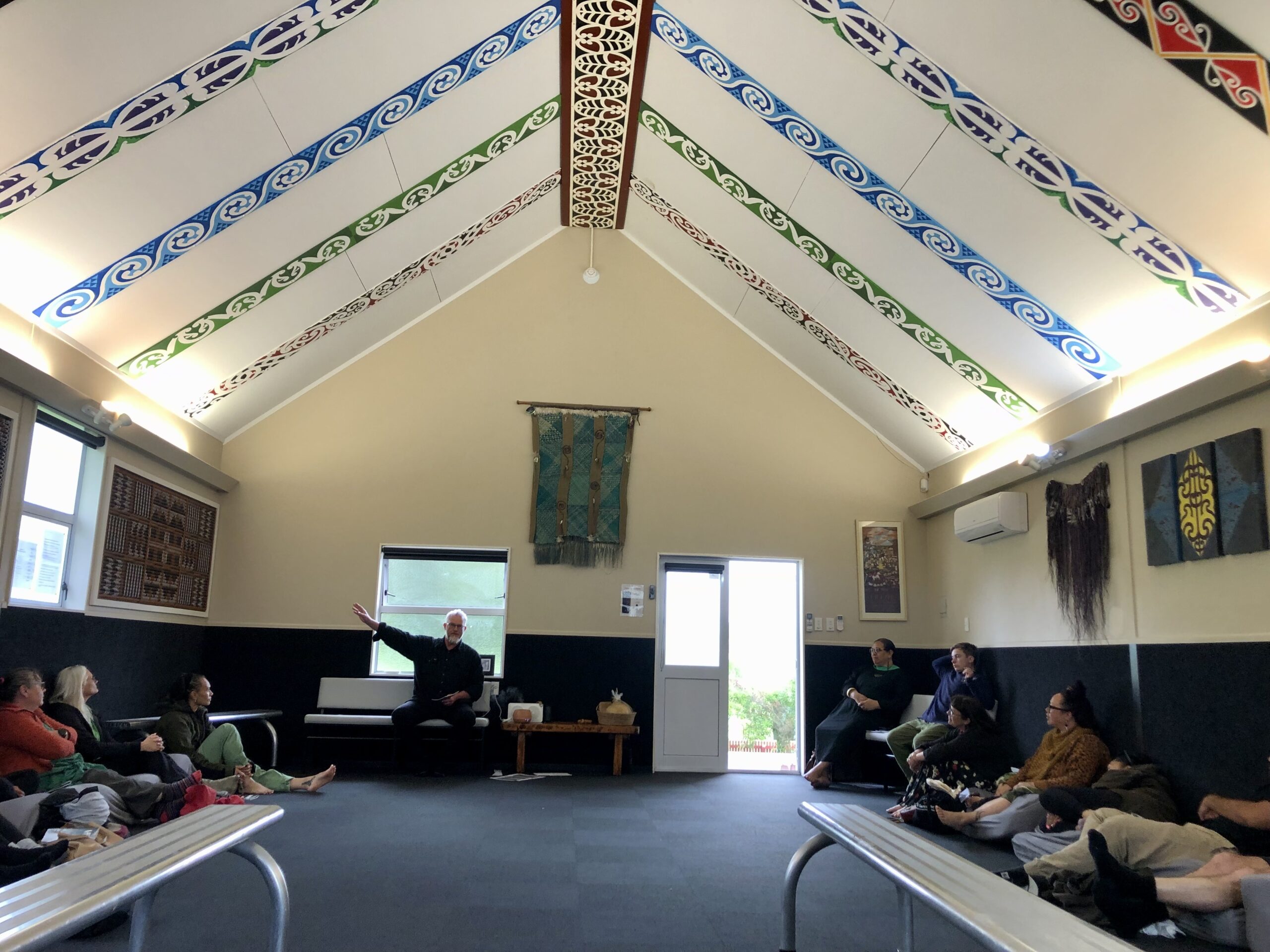
Hosted at Kapiti Marae on the Kapiti College campus, Mātua Paora Trim, Te Reo Māori Kaiako shares kōrero about the Parihaka Mai Ai kaupapa embedded within the college’s curriculum.
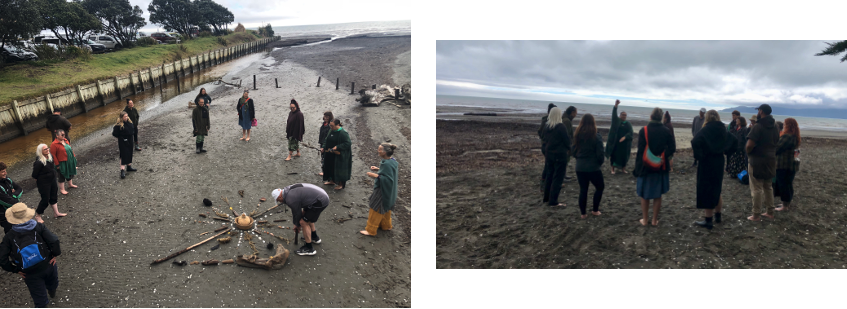
Kapiti College and marae is a short walk from the Wharemauku estuary that flows out to Raukawakawa moana, where Sharlene shared iwi kōrero and we co-created nature art to symbolise a koha aroha to the Wharemauku awa and surrounding whaitua/catchment.
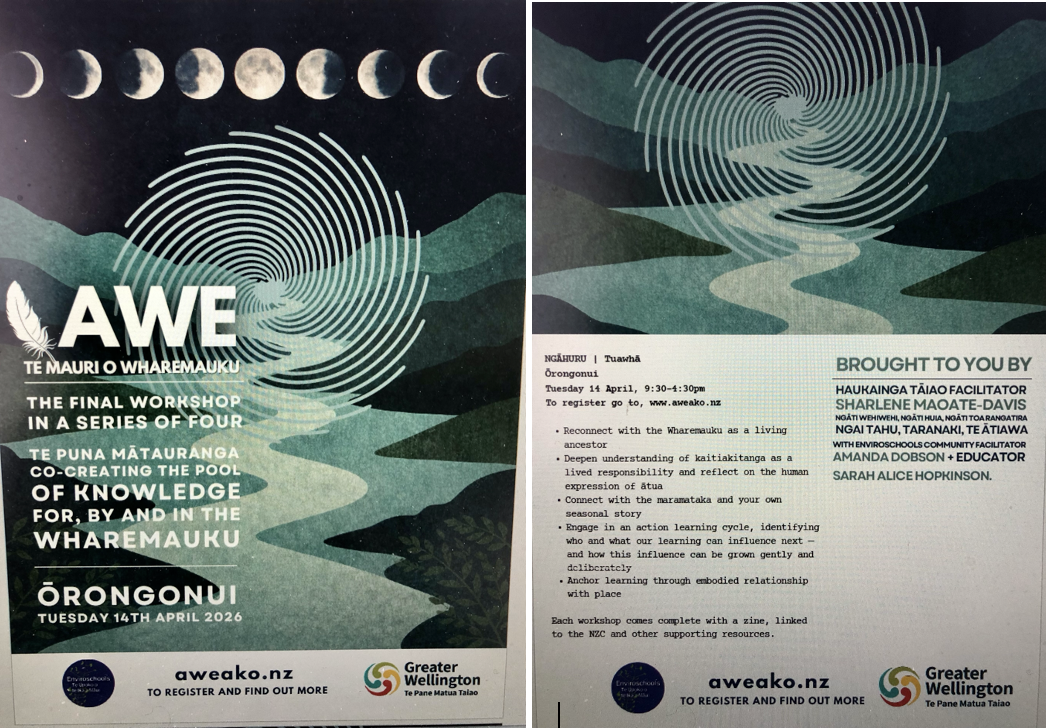
In the season of Ngahuru/Autumn, Paengawhāwhā/April 2026, 15 participants included 11 Kaiako – ECE, primary, secondary & community-based practitioners, 1 x rangatahi (KC graduate – 1st year Uni tauira) and 2 x Tamariki-mokopuna, 4 Iwi KaimahiTaiao. A great example of intergenerational learning with our age range spanning 7-70 years.
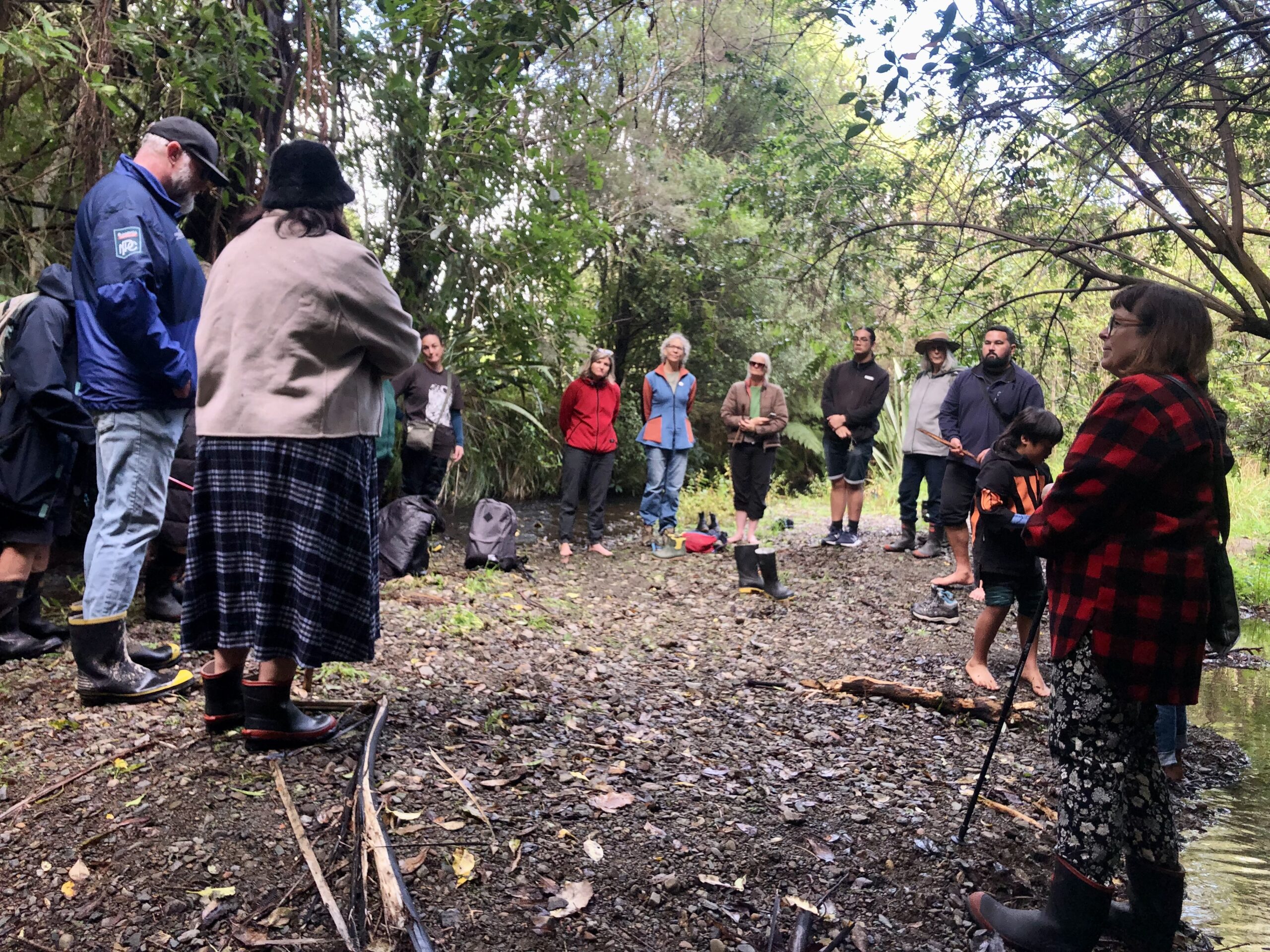
We returned to start our last workshop at Wharemauku awa at the top end of Kaitawa Reserve, where we initiated the kaupapa in the winter season of the previous year.
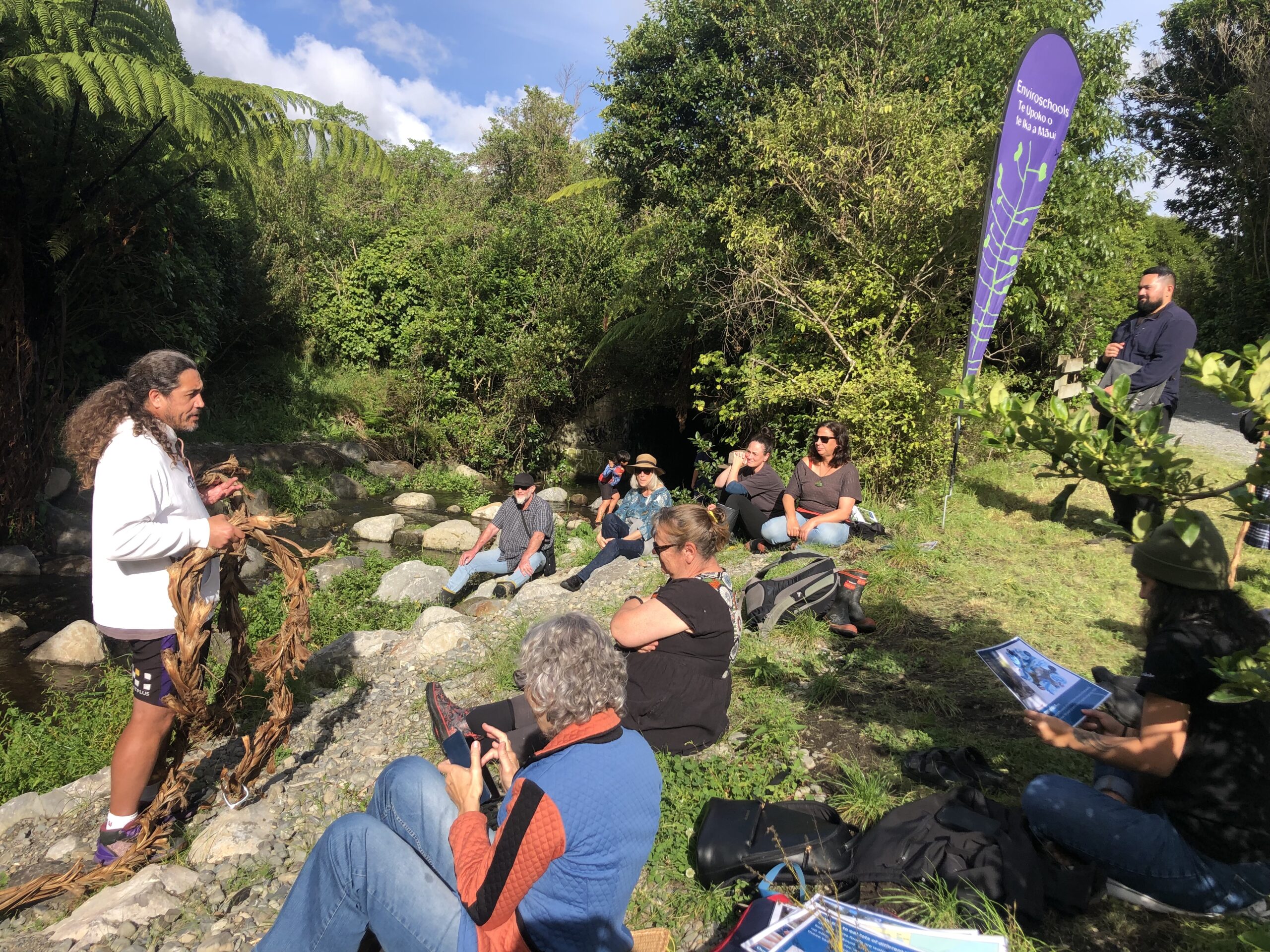
We spent the afternoon at the awa where a recently improved fish passage has been constructed. Mohi Eruini and Kristie Parata, Kaimahi Taiao of Te Ātiawa ki Whakarongotai shared about an iwi led project for creating Ika Wai Taura with Tii Kouka leaves as an alternative to plastic spat ropes.
Feedback from participants across the four seasons of the kaupapa:
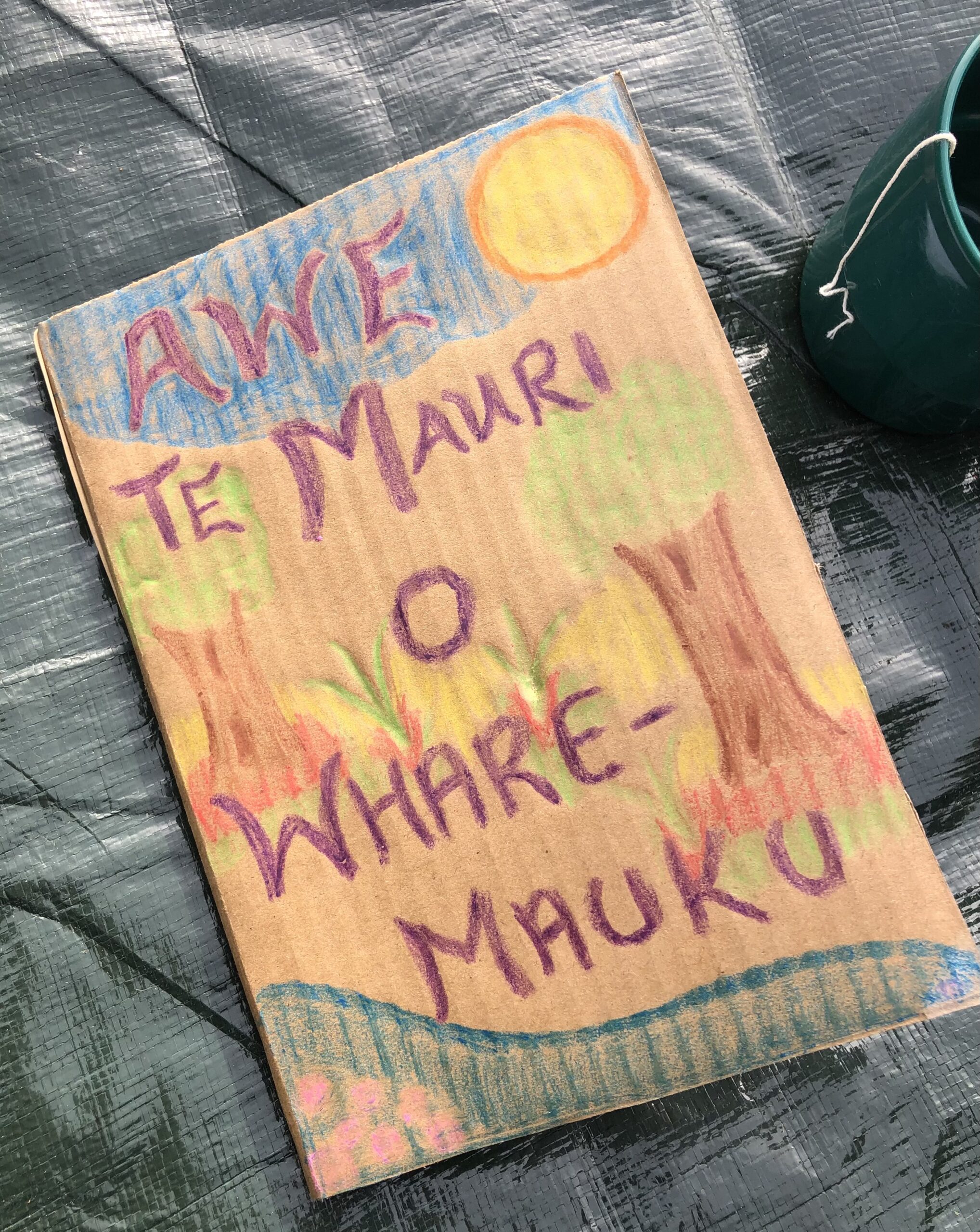
Example of Kaiako Nature Journal created as part of the initial AWE kaupapa day
“Thank you so much for an amazing day of experience. I know for myself, all my senses were awoken, and I came away with a very full cup. I very much look forward to the next opportunity alongside you all.” (this Kaiako shared that she had taken a group of rangatahi to the Wharemauku to explore soon afterward to share her experience with them).
“I love how te ao Māori has more of a spiritual approach to nature and I am enjoying learning more about this beautiful area.”
Exciting! (to receive next Zine seasonal edition). I really enjoy reading them.”
“I particularly valued the opportunity to learn from our peers through meaningful engagement and networking. I also appreciated the chance to reconnect with the taiao, and to deepen my understanding of the intricate ideas, knowledge, and spiritual experiences shared throughout the kaupapa.”
“ The Zines have been valuable as a reference resource to be shared with colleagues’ in my teaching team. Further learning related to Maramataka, for us as kaiako, to extend our understandings for integrating within our learning setting, is something we have identified as further PD.”
Reflection on the kaupapa by Amanda:
In my mind AWE Kaupapa is an exemplar of what authentic tiriti based relationships and place-based learning can look like. Learning in taiao, in whaitua spaces between mountain and sea, these are the opimum setting for wellbeing, waiora, in all of the whare tapawhā dimensions.
So much learning, on so many levels and really, we only scratched the surface. But so many seeds of potential sown in our hearts and minds to carry forward in both our personal and professional lives.
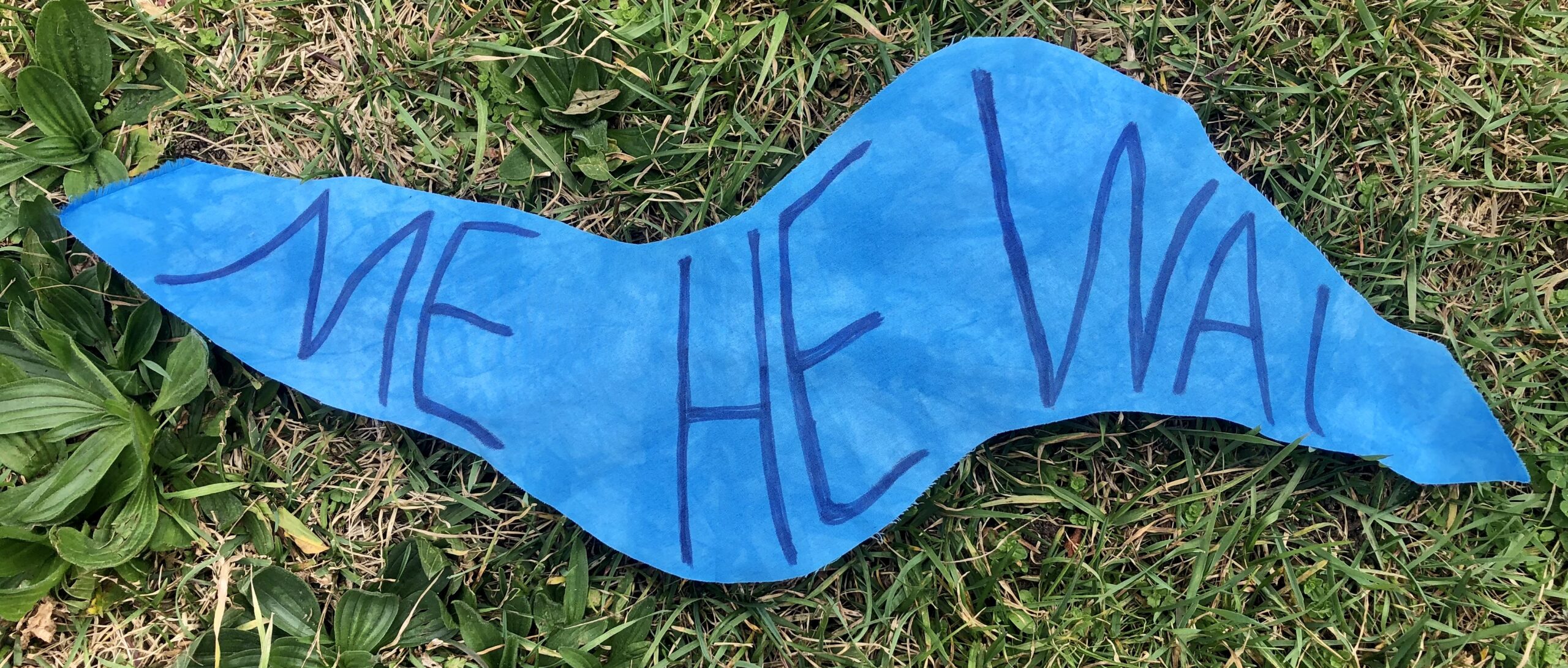
He Whakatauki: Me he wai – be like water
For me this is a taiao wisdom that became embodied through the AWE kaupapa journey on this awa, through four seasons; a wisdom to keep in mind and apply in daily life.
https://aweako.nz/ Follow this link for a fuller capture and unpacking of the AWE ako – kaupapa.
Banner image: Kaiako walking upstream alongside and through the awa, from Paraparaumu CBD to the Kaitawa Reserve, focused on the experience of observing the various states of mauri in and around the awa.
 Print
Print